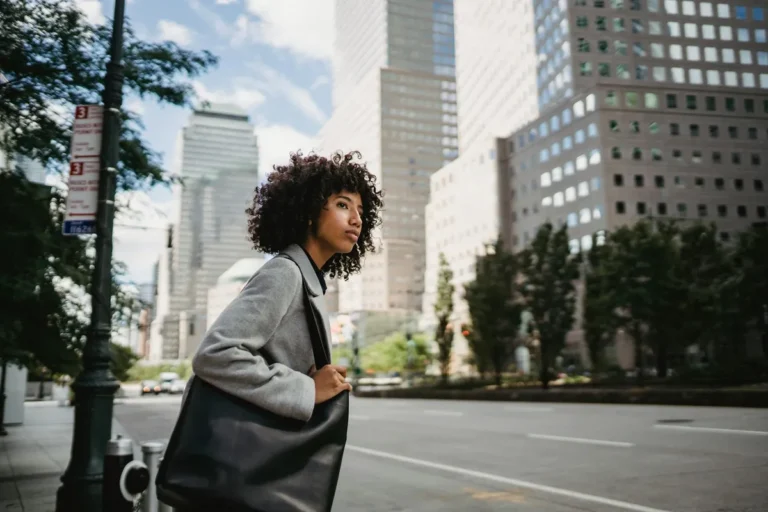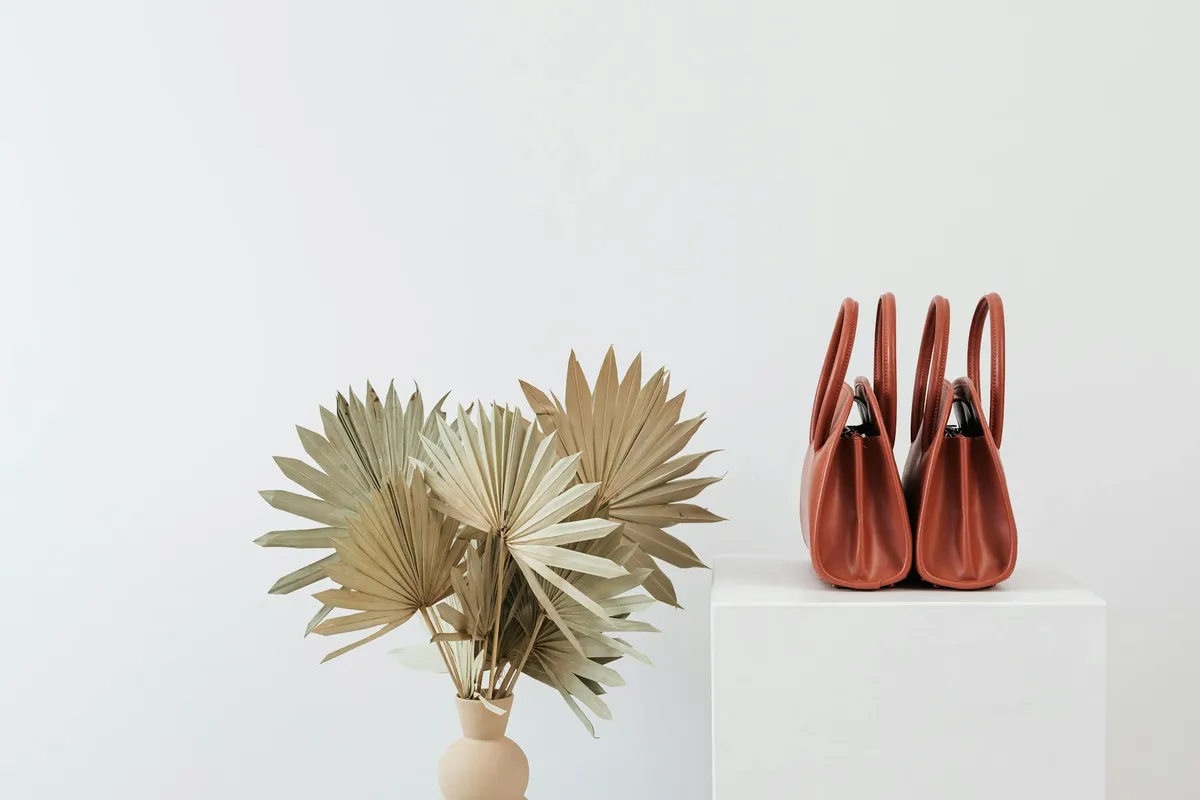
Show season produces a curious gap between the bags that get photographed on the carpet and the bags that editors actually carry through twelve-hour days of running between venues. The carpet bags are styled. The working bags are chosen. Here are the six bags that consistently appeared on working editors through the recent show calendar — the ones that had to hold a laptop, a charger, a notebook, a wallet, and still photograph correctly when the editor crossed in front of a wirephoto camera.
1. The Hermès Birkin in chocolate or sellier-black
The Birkin remains the show-season workhorse for the editors who have one. The size is typically a 30 or a 35 — large enough to carry the work materials, small enough to manage through the day. The leather is generally Togo or Clemence for the working bag rather than the Box leather of the carpet versions. The bag photographs correctly from any angle and is essentially uniform across the front-row editor population that can afford it.
2. The Bottega Veneta Andiamo
The Andiamo has emerged as the alternative-to-Birkin for editors who do not want to commit to the Hermès waiting list and who want a bag that reads current rather than heritage. The chocolate and the storm-gray versions have been the most-photographed colorways, and the construction quality at the price point makes it the strongest competitor in the category. The bag has the size and shape to function as a working bag without losing the silhouette.
3. The Loewe Puzzle in the larger size
The Puzzle continues to be the bag editors carry when they want a working bag that reads design-led rather than heritage-led. The larger size — not the small Puzzle that is essentially a evening bag — handles the show-season work load and photographs distinctively. The geometric construction makes it instantly recognizable in editorial coverage without the obvious branding that other bags rely on.
4. The The Row Margaux
The Margaux has become essentially uniform among the front-row editors who follow The Row's broader aesthetic. The size handles a working day, the construction is at the level the price point requires, and the silhouette photographs cleanly. The bag has the quality of being recognizable to the people who know it and invisible to the people who do not, which is exactly the read most editors are trying to achieve.
5. The vintage Hermès Kelly
The vintage Kelly continues to be the bag editors carry when they want the heritage signal without the contemporary purchase. The vintage market for Kellys has matured substantially over the past several years, with the result that working editors who have built relationships with vintage dealers can source bags that read as the working bag rather than as the auction piece. The 32 and 35 sizes are the working-bag versions, with the smaller sizes reserved for evening use.
6. The Khaite Lotus or large Maeve
Khaite's bag program has matured into a serious working-bag category over the past several seasons. The Lotus and the larger Maeve both function as show-season bags for editors who follow Khaite's broader aesthetic, with the construction quality and the silhouette supporting the editorial use. The bags are increasingly visible in the front-row photography that captures actual working editors rather than staged street-style.
What the six tell you about working-editor priorities
The six bags above share several features that distinguish them from the bags the broader market is currently being pushed toward. The bags are sized for actual work — a laptop, a charger, a notebook, a wallet, and the small additional items that get accumulated through a show day. The aesthetic reads consistent rather than seasonal — the bags are not trend-cycling pieces but multi-year wardrobe components. The price points are high but the per-year cost is reasonable across the working life of the bag.
The broader market trend coverage continues to push smaller bags, novelty silhouettes, and trend-driven colorways that the actual working editor population is largely ignoring. The gap between what the working editors carry and what the trend press declares is itself a useful signal — when the gap is wide, the trend press has lost touch with what is actually moving among the people who set the editorial direction. The gap has been wide for a while, and the editor wardrobes have been quietly demonstrating what the alternative looks like.