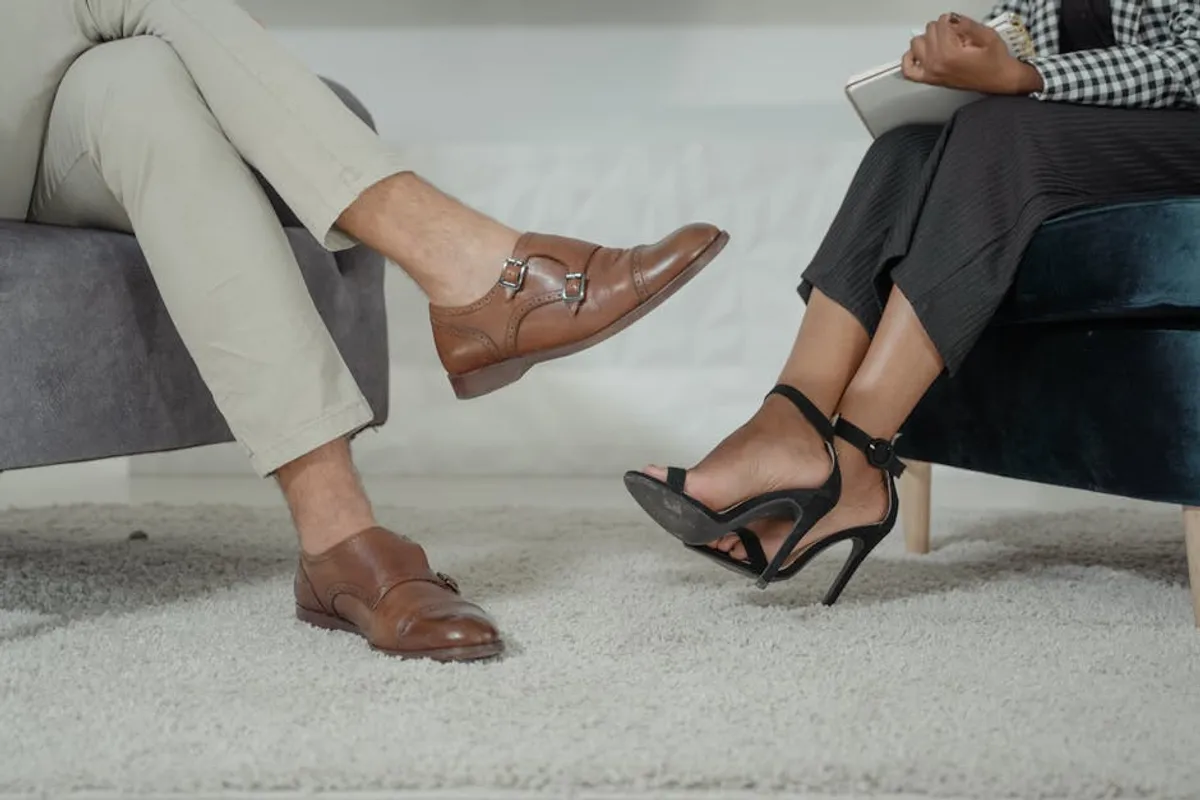
Navigating the demands of a busy professional life often requires footwear that balances aesthetic expectation with practical functionality. The right pair of heels can project confidence and authority while providing the comfort and stability necessary for long days, extensive walking, or prolonged standing. This isn't about sacrificing style for comfort, but rather understanding which heel types inherently offer advantages for a dynamic work environment.
For professionals constantly in motion, attending meetings, commuting, or managing various tasks, the choice of heel directly impacts endurance and overall presentation. Factors like heel height, base width, material construction, and overall shoe design contribute significantly to how well a shoe performs under pressure. Identifying the specific attributes of different heel types allows for informed selections that support both professional image and physical well-being.
What to Look For in Heels for Busy Professionals
When selecting heels for professional use, focus on attributes that enhance comfort, stability, and versatility throughout a demanding workday. Heel height is a primary consideration; generally, heights between 1.5 to 3 inches offer a balance of elevation and wearability. A wider heel base, such as a block or wedge, significantly improves stability, reducing fatigue and the risk of missteps compared to narrower options like stilettos. Material quality impacts both durability and breathability; genuine leather or high-quality synthetics with cushioned insoles are preferable for extended wear. Toe shape also plays a role in comfort; a pointed toe can feel restrictive over time, while an almond or rounded toe offers more room. Finally, consider the overall design's adaptability to various professional settings, from formal boardrooms to more casual office environments or networking events.
1. Block Heels
Block heels are characterized by their wide, solid base, providing substantial stability and weight distribution. Their geometric shape can range from square to rectangular, offering a modern aesthetic that pairs well with contemporary professional attire. They are typically found in various heights, from low to medium, making them adaptable for different comfort preferences and dress codes. The broad surface area of the heel reduces pressure on the ball of the foot, which is critical for professionals who spend significant time standing or walking. These versatile shoes are a fantastic option when considering a complete style guide for outfits, offering both support and a polished look.
Best for: Daily office wear, prolonged standing, networking events, business travel requiring stable footing on varied surfaces.
Pros: Superior stability minimizes ankle strain; even weight distribution enhances comfort for extended periods; versatile design complements both trousers and skirts; durable construction often supports frequent wear.
Cons: Can appear less formal than a slender stiletto in highly conservative environments; bulkier profile may not suit all delicate ensembles.
Verdict: An excellent foundational choice for any busy professional, offering a robust blend of comfort, stability, and style for daily demands without compromising a polished appearance.
2. Kitten Heels
Kitten heels are defined by their short, slender design, typically ranging from 1.5 to 2 inches in height. This modest elevation provides a subtle lift without the extreme arch or instability associated with higher heels. Their delicate profile often tapers slightly, offering a refined, understated elegance. They are a practical alternative for those who prefer some heel but prioritize comfort and ease of movement throughout the day.
Best for: Office environments, client lunches, presentations where a slight lift is desired without sacrificing agility, professionals new to wearing heels regularly.
Pros: Enhanced comfort due to lower height and reduced pressure on the foot; easier to walk in for extended periods; classic and sophisticated aesthetic; provides a professional polish without overt formality.
Cons: Offers less leg-lengthening effect than higher heels; may be perceived as less impactful in highly formal or fashion-forward settings.
Verdict: A reliable and comfortable option for daily professional wear, ideal for maintaining a polished look and mobility without the fatigue associated with higher styles.
3. Pumps
Pumps are a timeless staple in professional footwear, characterized by their closed toe and back, often with a low-cut front. They typically feature a heel height ranging from 2 to 4 inches, with various heel styles from slender to moderately thick. The classic pump silhouette is inherently versatile, capable of transitioning seamlessly across diverse professional settings. Their structured design offers a secure fit, which is beneficial for active professionals.
Best for: Board meetings, formal presentations, interviews, daily office wear requiring a consistently polished and authoritative appearance.
Pros: Universally recognized as professional and elegant; available in myriad colors and materials to match any wardrobe; offers a confident stride and elongated silhouette; secure fit reduces slippage.
Cons: Higher heel versions can lead to foot fatigue over long periods; pointed-toe styles may compress toes for some wearers; less stable on uneven terrain compared to wider heels.
Verdict: The quintessential professional heel, providing a sophisticated and authoritative presence. Selecting a moderate heel height and comfortable toe box is key for all-day wearability.
4. Wedge Heels
Wedge heels feature a sole that extends from the back of the shoe to the front, creating a continuous, solid block of material under the entire foot. This design offers unparalleled stability and even weight distribution, as the entire foot is supported. They come in various heights and materials, from cork to leather-wrapped, providing both casual and formal options. The full sole contact makes them exceptionally comfortable for prolonged wear.
Best for: Outdoor professional events, conferences requiring extensive walking, business casual environments, travel where comfort and stability are paramount.
Pros: Maximum stability and support, significantly reducing ankle strain; comfortable for long periods of standing or walking; often provides a good height boost without the discomfort of a traditional heel; versatile across business casual and some formal settings.
Cons: Can appear bulkier than traditional heels, potentially clashing with very delicate or formal outfits; less formal than a classic pump for certain high-stakes professional contexts.
Verdict: An excellent choice for professionals prioritizing comfort and stability, particularly when navigating varied terrains or requiring extended periods on their feet, offering a reliable, confident stride.
5. Stiletto Heels
Stiletto heels are defined by their tall, slender, and often very narrow heel, typically reaching heights of 3 inches or more. They are renowned for their dramatic aesthetic, providing significant leg-lengthening and a powerful, assertive silhouette. While they exude high fashion and confidence, their narrow base offers minimal stability, demanding careful balance and limited prolonged standing for most wearers.
Best for: High-impact presentations, formal evening business events, industry galas, situations where making a strong visual statement is prioritized over extended comfort.
Pros: Creates a striking and authoritative visual impact; elongates the leg and enhances posture; undeniably fashionable and sophisticated; conveys confidence and power.
Cons: Significant stability challenges and increased risk of ankle injury; uncomfortable for prolonged standing or walking; unsuitable for uneven surfaces; can cause rapid foot fatigue.
Verdict: Best reserved for specific professional occasions where visual impact is paramount and sustained mobility is not a primary concern. Not an ideal choice for daily office wear for busy professionals.
6. Slingback Heels
Slingback heels feature a strap that wraps around the back of the ankle, leaving the heel exposed. This design offers a more open feel than a closed-back pump while still providing a secure fit. The heel itself can vary in style, from kitten to block, allowing for adaptability in comfort and formality. The exposed heel can offer breathability, which is beneficial in warmer climates or for long days.
Best for: Warmer weather professional environments, business casual settings, office wear where a slightly more open shoe is acceptable.
Pros: Offers a secure fit with an adjustable strap; provides more breathability than a fully closed shoe; versatile in style, depending on the heel type; maintains a polished appearance while feeling less restrictive.
Cons: The strap can sometimes slip or cause friction; less formal than a completely closed pump for very conservative workplaces; exposed heel requires well-maintained feet.
Verdict: A stylish and comfortable alternative to traditional pumps, particularly suitable for professionals seeking a secure yet slightly more open footwear option for appropriate settings.
7. Mary Jane Heels
Mary Jane heels are characterized by one or more straps across the instep, often secured with a buckle. This strap provides additional foot security and stability, making them a practical choice for professionals who need reliable support. The heel style can vary, from low blocks to moderate pumps, allowing for different levels of comfort and formality. Their classic, often vintage-inspired aesthetic can add a distinctive touch to professional attire.
Best for: Professionals seeking extra foot security, those prone to shoes slipping off, creative industries, and environments where a classic yet distinctive style is appreciated.
Pros: Superior foot security and stability due to the instep strap; often features comfortable, rounded toe boxes; classic and refined aesthetic; reduces friction and slippage during movement.
Cons: Can sometimes be perceived as less modern or fashion-forward depending on the design; the strap may not suit all foot shapes or instep heights; limited height options for very formal contexts.
Verdict: An excellent choice for professionals prioritizing foot security and comfort without sacrificing a polished, classic look, especially beneficial for those with active roles.
8. Cone Heels
Cone heels are wider at the top where they meet the shoe and taper down to a narrower point at the bottom, resembling an ice cream cone. This design offers a compromise between the stability of a block heel and the sleekness of a more slender heel. They provide a unique architectural detail that can elevate an outfit while still offering reasonable support. Cone heels are typically found in medium heights, making them suitable for daily wear.
Best for: Professionals seeking a distinctive yet practical heel, creative industries, business casual settings, daily office wear where a touch of unique style is welcome.
Pros: Offers better stability than a stiletto due to its wider base at the top; provides a stylish, architectural element to footwear; comfortable for moderate periods of standing and walking; versatile across various professional outfits.
Cons: Less stable than a full block or wedge heel; can sometimes catch on grates or uneven surfaces if the tip is too narrow; not as universally formal as a classic pump.
Verdict: A fashionable and reasonably stable option for professionals who desire a heel with a distinctive silhouette without fully compromising on comfort or practicality for daily office demands.
9. Stacked Heels
Stacked heels are characterized by their layered appearance, typically constructed from multiple pieces of wood or leather stacked together. This construction provides a robust and durable heel, often with a slightly rustic or natural aesthetic. They are commonly found on boots, but also on pumps and sandals. The stacked design inherently offers good stability due to its solid construction, similar to a block heel but often with more texture and visual interest.
Best for: Fall/winter professional attire, business casual environments, creative fields, professionals who value durability and a grounded aesthetic.
Pros: Highly durable and resistant to wear; provides excellent stability and support, similar to a block heel; adds texture and visual interest to an outfit; comfortable for extended wear.
Cons: Can sometimes appear less formal than a smooth, finished heel; typically heavier than other heel types; limited in very high-fashion, delicate designs.
Verdict: A practical and stylish choice for professionals seeking a durable, stable heel with a distinct, often artisanal, appearance that complements a range of professional ensembles.
10. Cuban Heels
Cuban heels are typically low to medium in height, with a slightly tapered back and a straight front, often appearing on boots or more casual professional shoes. They are known for their robust, sturdy construction and excellent stability. While traditionally associated with Western or equestrian styles, modern interpretations integrate them into professional footwear, offering a grounded and comfortable option for active professionals. Their solid build makes them highly durable.
Best for: Professionals who spend significant time walking or standing, business casual environments, creative industries, or those who prefer a more grounded, utilitarian aesthetic.
Pros: Exceptional stability and comfort due to low height and broad base; highly durable and suitable for frequent wear; provides a strong, confident stance; less prone to damage than slender heels.
Cons: Generally limited to lower heights, offering less leg-lengthening effect; may be perceived as too casual for highly formal business settings; often found on chunkier shoe styles.
Verdict: An outstanding choice for professionals prioritizing comfort, durability, and stability above all else, particularly suitable for active roles where a more formal heel is impractical.
11. Flare Heels
Flare heels are characterized by a design that is narrow at the top where it meets the shoe, and then widens significantly towards the bottom. This creates a distinctive, often retro-inspired silhouette that offers a unique visual flair. Despite their flared shape, the wider base at the bottom provides more stability than a stiletto, making them a more practical choice for professionals who want to incorporate a fashion-forward element without sacrificing all comfort.
Best for: Creative industries, fashion-forward professional environments, networking events, situations where a distinctive style statement is appropriate.
Pros: Offers a unique and stylish aesthetic; provides better stability than a stiletto due to the wider base; can add a fashionable edge to professional attire; comfortable for moderate periods of wear.
Cons: Can be perceived as less traditional or conservative for some formal business settings; the flared base might occasionally catch on objects; less common, so variety might be limited.
Verdict: A compelling option for professionals in fields that appreciate individual style, balancing a fashionable silhouette with improved stability compared to very slender heels.
12. Platform Heels
Platform heels feature a thick sole under the front part of the foot, which reduces the effective height of the heel and lessens the arch of the foot. This design allows for significant height addition without the extreme discomfort often associated with high heels. The platform evenly distributes pressure across the ball of the foot, enhancing comfort and stability, particularly for taller heel heights. They can range from subtle to very dramatic.
Best for: Professionals seeking significant height without extreme arch discomfort, evening business events, fashion-forward workplaces, or those who prefer a bolder silhouette.
Pros: Provides substantial height while maintaining relative comfort due to reduced arch angle; offers good stability, especially with a block or wedge heel; creates a powerful and confident presence; can make walking in higher heels easier.
Cons: Can appear bulky or clunky if the platform is too thick; less flexible and can feel stiff; may not be suitable for all conservative office environments; can make fine adjustments to footing more challenging.
Verdict: A strategic choice for professionals who desire considerable height and a strong visual presence, provided they select a design that balances platform thickness with overall shoe elegance for their specific work context.
Choosing the Right Heel Type for Your Professional Needs
Selecting the optimal heel type involves a careful assessment of your daily professional activities, the formality of your workplace, and your personal comfort requirements. For roles demanding extensive walking or standing, prioritize block, wedge, or Cuban heels for their superior stability and weight distribution. If your environment is more sedentary but requires a polished look, pumps or kitten heels offer classic elegance with varying degrees of comfort. Consider material quality, opting for breathable leathers and cushioned insoles to mitigate fatigue. Always test shoes for fit and comfort, ensuring no pinching or rubbing, especially around the toe box and heel. A well-chosen heel enhances your professional presence and contributes to your overall well-being throughout demanding workdays.
Frequently Asked Questions
What heel height is generally considered most professional?
A heel height between 1.5 to 3 inches is typically considered most professional. This range offers an elegant lift without compromising stability or comfort for extended wear. Classic pumps and kitten heels often fall within this range.
Are open-toe heels appropriate for professional settings?
In most conservative professional settings, closed-toe heels are preferred. However, in more creative industries, business casual environments, or during warmer months, a refined open-toe or peep-toe heel may be acceptable, provided the overall shoe design remains polished and your feet are well-groomed.
How can I make heels more comfortable for a long workday?
To enhance comfort, choose heels with a wider base (like block or wedge heels), opt for quality materials like leather that conform to your foot, and ensure adequate cushioning. Using gel inserts or arch supports can also significantly reduce pressure and fatigue. Breaking in new heels before a long workday is also crucial.
Which heel types offer the best stability for extensive walking?
Wedge heels and block heels offer the best stability for extensive walking due to their broad, continuous contact with the ground. Cuban heels, often found on boots, also provide excellent stability and support, making them suitable for active professionals.
Can I wear platform heels in a corporate office?
Platform heels can be worn in a corporate office, but the key is moderation. Opt for platforms that are integrated subtly, with a moderate heel height and a classic shoe style (e.g., a platform pump). Avoid overly chunky or dramatic platforms that might appear too casual or fashion-forward for a conservative corporate environment.