Navigating professional attire requires a balance of personal expression, workplace expectations, and functional comfort. For trans models, selecting office outfits presents an opportunity to affirm identity while projecting competence and confidence. The objective isn't merely to follow dress codes, but to curate a wardrobe that supports professional goals, feels authentic, and allows for fluid presentation within diverse corporate environments. This guide outlines distinct office outfit ideas, focusing on versatility, impact, and how each style addresses practical considerations for a polished professional image.
Key Considerations for Office Outfits
Before selecting specific pieces, evaluate the prevailing dress code of your workplace. Corporate environments often range from formal business to smart casual. Consider the fabric choices for comfort and durability; natural fibers like wool, cotton, and linen offer breathability, while synthetics blend wrinkle resistance with stretch. Pay attention to fit: garments should drape well without being too tight or too loose, ensuring a professional silhouette. Accessories, including footwear, belts, and subtle jewelry, play a crucial role in completing an ensemble and conveying attention to detail. Ultimately, successful office attire combines practicality with personal aesthetic, fostering confidence in professional settings.
1. The Tailored Power Suit
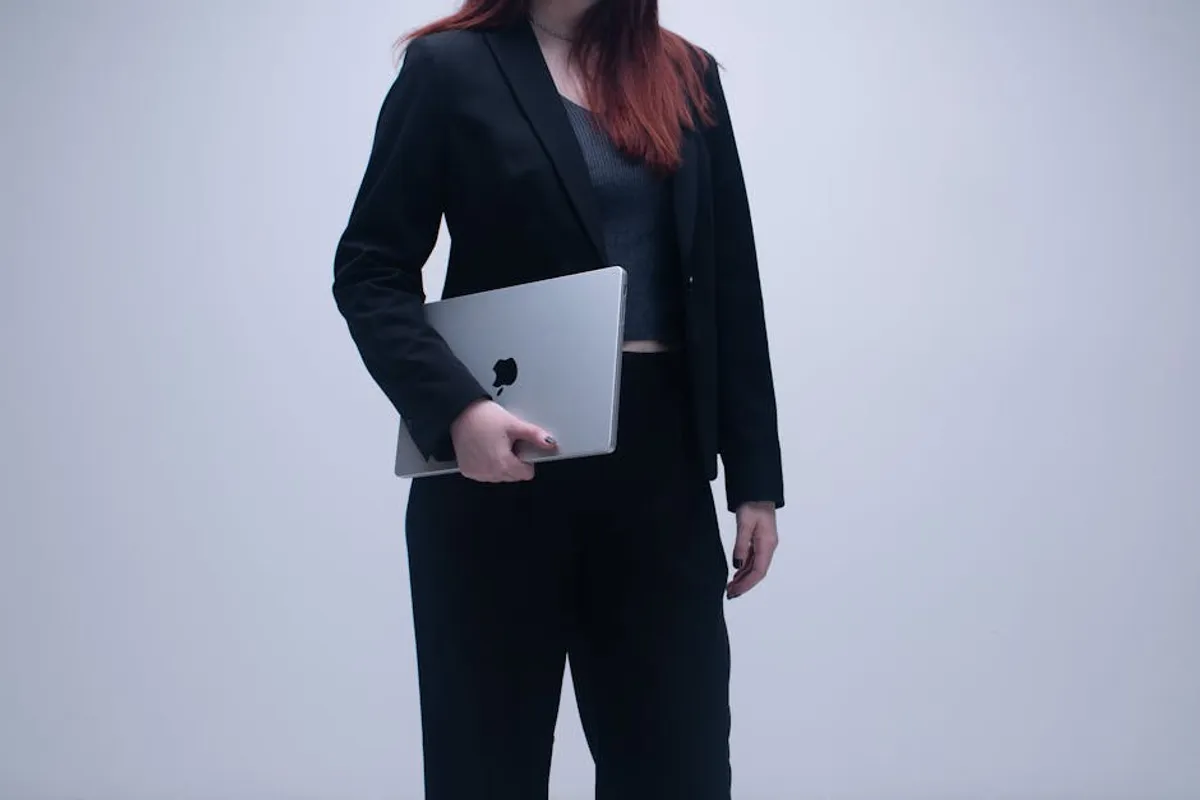
This foundational ensemble features a matching blazer and trousers or skirt, typically in a neutral tone like charcoal, navy, or black. The power suit emphasizes structure and authority, making it a staple for formal business environments, client meetings, or presentations. Key elements include sharp lapels, defined shoulders, and a precise fit that conveys meticulousness. Fabric choice is critical; wool blends offer durability and a refined drape, while subtle pinstripes or checks can add depth without compromising formality. This look projects gravitas and unwavering professionalism.
Best for: Formal business settings, high-stakes meetings, legal or financial sectors, and any environment requiring a strong, authoritative presence.
Pros:
- Instantly commands respect and professionalism.
- Versatile base for various shirt and accessory combinations.
- Creates a cohesive, polished silhouette.
- Durable when constructed from quality fabrics.
Cons:
- Can feel restrictive or overly formal for casual office days.
- Requires precise tailoring for optimal appearance.
- Limited color palette often means less personal expression.
- Maintenance can be higher, often requiring dry cleaning.
Verdict: An indispensable choice for projecting confidence and authority, the tailored power suit is a strategic investment for any professional wardrobe, particularly where formality is paramount. Its impact is undeniable, provided the fit is impeccable.
2. The Smart Separates Ensemble
Moving beyond the matched suit, this approach combines a well-fitted blazer with non-matching trousers or a skirt, often in complementary colors or textures. For instance, a navy blazer paired with grey wool trousers or a cream blazer over black tailored pants. This allows for greater flexibility and personal style expression while maintaining a professional standard. The key is ensuring each separate piece is of high quality and harmonizes with the others in terms of formality and color temperature. It offers a bridge between strict business formal and elevated business casual.
Best for: Business casual workplaces, creative industries, networking events, or when a full suit feels too rigid but professionalism is still expected.
Pros:
- Offers significant versatility and mix-and-match potential.
- Allows for more personal color and texture combinations.
- Often more comfortable than a full suit.
- Maximizes wardrobe utility by pairing individual pieces.
Cons:
- Requires a keen eye for color coordination and fabric matching.
- Risk of looking disjointed if pieces aren't carefully selected.
- Can sometimes be perceived as less formal than a full suit.
- Building a cohesive set of separates can be an initial investment.
Verdict: An excellent strategy for building a dynamic and adaptable professional wardrobe, smart separates allow for nuanced expression without sacrificing polish. It demands thoughtful curation but rewards with broad utility.
3. The Modern Professional Dress
A structured dress, such as a sheath, A-line, or wrap style, can be a powerful office option. The key is professional length (knee-length or midi), appropriate neckline (not too plunging), and a fabric that holds its shape well, like ponte knit, wool crepe, or a substantial cotton blend. Adding a blazer or cardigan elevates the look further, making it suitable for various professional settings. This option offers a feminine yet authoritative aesthetic, often with a high degree of comfort and ease of wear compared to separates.
Best for: Corporate environments allowing for dresses, roles requiring frequent movement, or professionals seeking a streamlined, elegant look.
Pros:
- Effortless to style as a single garment.
- Can be highly comfortable and less restrictive than trousers.
- Projects a sophisticated and polished image.
- Easily adaptable with blazers, cardigans, and accessories.
Cons:
- Less versatile for mixing and matching than separates.
- May require specific undergarments for a smooth silhouette.
- Can be perceived as less formal than a suit in some traditional settings.
- Limited pocket utility compared to trousers.
Verdict: A modern professional dress offers an elegant, efficient solution for office wear, providing both comfort and a refined aesthetic. Its simplicity is its strength, allowing accessories to define its formality.
4. The Business Casual Blazer & Chinos
This combination strikes a balance between formal and relaxed, ideal for offices with a less stringent dress code. A well-fitting, unlined blazer in a textured fabric like cotton twill, linen, or a subtle knit pairs effectively with chinos. Chinos should be tailored, not baggy, and in neutral shades like khaki, navy, olive, or grey. This look is inherently approachable yet maintains a professional edge, suitable for daily office work without the stiffness of a full suit. It often incorporates a button-down shirt or a fine-gauge knit under the blazer.
Best for: Tech companies, creative agencies, casual Fridays, or any office environment that values comfort and a relaxed, yet professional, appearance.
Pros:
- High comfort level for all-day wear.
- Projects an approachable and modern professional image.
- Easy to mix and match with other business casual pieces.
- Less expensive to build than a suit-based wardrobe.
Cons:
- Can appear too informal for client-facing roles or formal meetings.
- Requires careful selection to avoid looking too casual.
- Blazer fit is crucial to maintain structure.
- Chinos can wrinkle more easily than wool trousers.
Verdict: A smart choice for contemporary workplaces, this ensemble offers comfort and style. It requires attention to fit and fabric quality to ensure it remains on the "business" side of business casual.
5. The Elevated Knitwear Look
High-quality knitwear, when chosen correctly, can be a sophisticated alternative to traditional shirting. Think fine-gauge merino wool, cashmere, or silk-blend sweaters and cardigans. These can be worn over a collared shirt, under a blazer, or as a standalone piece with tailored trousers or a skirt. The key is the quality of the knit and its fit—it should be smooth, pill-free, and not too bulky. A crew neck, V-neck, or turtleneck in a solid, muted color provides a clean, refined silhouette that works well in many professional settings.
Best for: Cooler office environments, roles requiring comfort and flexibility, or when seeking a softer, yet polished, professional aesthetic.
Pros:
- Provides warmth and comfort.
- Offers a softer, less rigid professional appearance.
- Versatile for layering or wearing independently.
- Can be dressed up or down with accessories.
Cons:
- Lower quality knits can pill or stretch, looking unprofessional.
- May be perceived as too casual in very formal settings.
- Requires careful washing and storage to maintain integrity.
- Fewer structured elements compared to blazers.
Verdict: Elevated knitwear is a smart addition to any professional wardrobe, offering comfort and refined style. Its success hinges on material quality and a clean, well-maintained appearance.
6. The Sophisticated Skirt Suit Alternative
This option takes the concept of a skirt suit and modernizes it by pairing a structured, professional skirt (pencil, A-line, or midi) with a complementary, but not necessarily matching, blazer. The skirt could be in a different texture or pattern, such as a tweed skirt with a solid wool blazer, or a leather-look pencil skirt with a classic tailored jacket. This provides the formality of a suit with added visual interest and personal flair. The blouse or top worn underneath should be polished and professional.
Best for: Fashion-forward professional environments, roles in design or marketing, or when aiming for a blend of classic formality and contemporary style.
Pros:
- Combines formality with creative expression.
- Offers a unique, distinguished professional look.
- Allows for greater use of individual wardrobe pieces.
- Projects confidence through thoughtful styling.
Cons:
- Requires careful coordination to avoid looking mismatched.
- May not be appropriate for extremely conservative workplaces.
- Skirt length and style must remain strictly professional.
- Can be more time-consuming to assemble than a pre-matched suit.
Verdict: An impactful choice for professionals who want to stand out while maintaining decorum, this alternative skirt suit requires a discerning eye for pairing but delivers a sophisticated, modern aesthetic.
7. The Wide-Leg Trouser & Blouse Combo
Wide-leg trousers, when tailored correctly, offer a contemporary and comfortable alternative to slim-fit or straight-leg styles. Paired with a silk, satin, or crisp cotton blouse, this creates an effortlessly chic and professional look. The trousers should be high-waisted to elongate the leg and skim the floor with appropriate footwear. This silhouette is particularly flattering and projects an air of relaxed confidence and modern sophistication. A tucked-in blouse or a fitted top helps balance the volume of the trousers.
Best for: Creative fields, fashion-conscious offices, or for individuals seeking a comfortable yet highly stylish professional ensemble.
Pros:
- Offers significant comfort and ease of movement.
- Creates a modern, fashion-forward professional silhouette.
- Can be highly flattering when tailored correctly.
- Versatile for pairing with various blouses and tops.
Cons:
- Requires precise length tailoring to avoid dragging or looking sloppy.
- Can overwhelm petite frames if not proportioned well.
- May be perceived as less traditional than slim-fit trousers.
- Blouse choice is crucial to maintain professionalism.
Verdict: A sophisticated and comfortable option, the wide-leg trouser and blouse combination is a strong choice for modern professionals. Its success lies in meticulous tailoring and thoughtful pairing.
8. The Polished Jumpsuit
A well-chosen jumpsuit can be a surprisingly effective office outfit, offering the ease of a dress with the structure of trousers. Look for styles in professional fabrics like ponte knit, wool blends, or tailored crepe, with a defined waist, appropriate neckline, and a refined silhouette (e.g., wide-leg, straight-leg). A blazer or structured cardigan layered over a jumpsuit elevates it for more formal settings. Solid, neutral colors are typically safest for the office, projecting a sleek and contemporary image.
Best for: Professionals seeking a streamlined, modern, and comfortable one-piece solution, particularly in creative or less traditional corporate environments.
Pros:
- Effortless one-and-done styling.
- Projects a modern and confident aesthetic.
- Comfortable and often allows for great freedom of movement.
- Can be easily dressed up with layering pieces.
Cons:
- Less versatile for mixing and matching than separates.
- Practical challenges with restroom breaks.
- Can be difficult to find a perfect fit for all body types.
- May be considered too casual in very conservative workplaces.
Verdict: A polished jumpsuit is a compelling choice for a contemporary office look, combining style and convenience. Its impact is maximized when tailored precisely and accessorized thoughtfully.
9. The Creative Professional Mix
This approach embraces controlled individuality within professional boundaries. It involves combining classic professional pieces with one or two elements that introduce personality—perhaps a patterned blouse with a solid suit, a unique textured blazer with tailored trousers, or a statement accessory. The key is balance and intentionality; the "creative" element should enhance, not detract from, the overall professional impression. This allows for a more authentic expression of self while respecting workplace norms.
Best for: Creative industries, marketing, media, or any role where personal branding and a distinctive style are assets.
Pros:
- Allows for significant personal expression within professional limits.
- Can make an outfit feel more authentic and less generic.
- Projects confidence and individuality.
- Prevents wardrobe monotony.
Cons:
- Risk of looking unprofessional if elements are not carefully curated.
- Requires a strong understanding of personal style and office culture.
- Can be perceived as less formal than traditional business attire.
- May require more time for outfit planning.
Verdict: For environments that permit it, the creative professional mix is an excellent way to infuse personality into office wear. It demands a discerning eye but yields a distinctive and memorable professional image.
10. The Monochromatic Statement
Dressing in a single color palette, from head to toe, creates a powerful and sophisticated visual impact. This could be an all-navy ensemble, a grey suit with a lighter grey top, or even an all-cream look. The monochromatic approach elongates the silhouette and projects a sense of deliberate style and confidence. To add depth, incorporate varying textures within the same color family (e.g., a silk blouse with wool trousers, a knit top with a tailored skirt). This strategy minimizes visual distraction and maximizes impact.
Best for: High-fashion professional settings, presentations, or when aiming to project a sleek, modern, and highly polished image.
Pros:
- Creates a visually striking and cohesive look.
- Elongates the figure and projects sophistication.
- Minimizes decision-making for color coordination.
- Can make an outfit appear more expensive and luxurious.
Cons:
- Requires careful attention to fabric textures to avoid flatness.
- Can be perceived as too bold or fashion-forward in some conservative offices.
- Stains are more noticeable on lighter monochromatic outfits.
- Limited color variation might feel repetitive over time.
Verdict: A monochromatic ensemble is a high-impact choice for projecting modern professionalism and confidence. It’s a testament to thoughtful styling and a powerful way to make a refined statement.
11. The Layered Vest & Shirt
For a sophisticated, slightly academic, or vintage-inspired professional look, a tailored vest worn over a crisp button-down shirt (or a fine-gauge knit top) with coordinating trousers or a skirt offers a distinct alternative to a blazer. The vest should be well-fitted and in a professional fabric like wool, tweed, or a structured cotton blend. This layering technique adds visual interest and a touch of formality without the bulk of a full jacket, making it suitable for warmer office environments or when a blazer feels too restrictive.
Best for: Academic settings, creative roles, or environments where a distinguished, intellectual, yet approachable style is valued.
Pros:
- Offers a unique and polished professional aesthetic.
- Provides an additional layer of warmth without heavy bulk.
- Can be more comfortable than a blazer for all-day wear.
- Adds structure and definition to an outfit.
Cons:
- May be perceived as less formal than a blazer in some corporate settings.
- Requires a well-fitted vest to avoid a sloppy appearance.
- Limited versatility compared to a full suit or separates.
- Finding matching or complementary vests and trousers can be challenging.
Verdict: The layered vest and shirt combination is a refined choice for a distinctive professional image. It offers a blend of classic charm and modern versatility, best suited for environments that appreciate nuanced style.
12. The Structured Cardigan Ensemble
While often associated with casual wear, a structured, high-quality cardigan can be a professional asset. Look for cardigans in substantial fabrics like merino wool, cashmere, or a thick cotton knit, with a defined shape (e.g., a longline, shawl-collar, or button-front style that mimics a blazer). Worn over a silk blouse, a shell top, or a tailored shirt with dress trousers or a pencil skirt, it offers a softer, yet still polished, alternative to a blazer. The key is its ability to hold its shape and present a clean, un-frayed appearance.
Best for: Business casual offices, educational institutions, or for professionals who prioritize comfort without sacrificing a polished appearance.
Pros:
- Provides excellent comfort and warmth.
- Offers a softer, more approachable professional look.
- Highly versatile for layering over various tops.
- Easier to move in than a traditional blazer.
Cons:
- Can easily look too casual if the fabric or fit is poor.
- Less formal than a blazer or suit jacket.
- Requires careful selection to ensure it maintains structure.
- May not be suitable for very formal client meetings.
Verdict: A structured cardigan offers a comfortable and stylish option for professional environments that embrace business casual. Its effectiveness hinges on selecting high-quality, well-fitting pieces that retain their shape and polish.
Building a Cohesive Professional Wardrobe
When curating your office wardrobe, focus on versatility and interchangeability. Invest in core pieces in neutral colors that can be mixed and matched across different outfits. Consider the "capsule wardrobe" approach, where a limited number of items can create numerous looks. Prioritize quality over quantity; well-made garments not only last longer but also drape better and project a more professional image. Pay attention to tailoring; even off-the-rack items can be elevated with minor alterations. Finally, ensure your footwear and accessories complement your outfits, as these details significantly impact the overall impression of polish and professionalism. Regularly assess your wardrobe for fit, condition, and relevance to your professional goals and workplace culture.
Frequently Asked Questions
What are the most important factors for office attire?
The most important factors are fit, fabric quality, and adherence to your workplace's dress code. Clothes should fit well, not be too tight or too loose, and be made of materials that look professional and are comfortable for extended wear. Understanding your office culture helps determine the appropriate level of formality.
How can I make my office outfits more comfortable?
Prioritize natural fibers like cotton, wool, and linen, or blends with stretch. Opt for softer silhouettes like wide-leg trousers or professional dresses. Layering allows you to adjust to temperature changes, and choosing well-fitting garments ensures comfort without restriction. Flat or low-heeled professional shoes also contribute significantly to all-day comfort.
Are there specific colors I should avoid in the office?
While personal style is important, very bright, neon, or overly distracting patterns are generally best avoided in formal office settings. Neutral colors (navy, grey, black, white, cream) and muted tones (burgundy, forest green, deep teal) are typically safe and project professionalism. If incorporating brighter colors, do so in smaller accents or through a single, well-chosen piece.
How do I ensure my professional wardrobe is versatile?
Invest in foundational pieces that can be mixed and matched. A few high-quality blazers, several pairs of tailored trousers or skirts, and a selection of professional tops in complementary colors will provide many outfit combinations. Opt for classic styles over overly trendy items, as they have greater longevity and adaptability.
What role do accessories play in office outfits?
Accessories are crucial for completing an outfit and adding a personal touch. A quality belt, professional footwear, a structured handbag, and subtle jewelry can elevate even a simple ensemble. They demonstrate attention to detail and can reinforce your professional image. Choose accessories that are polished and appropriate for your workplace.