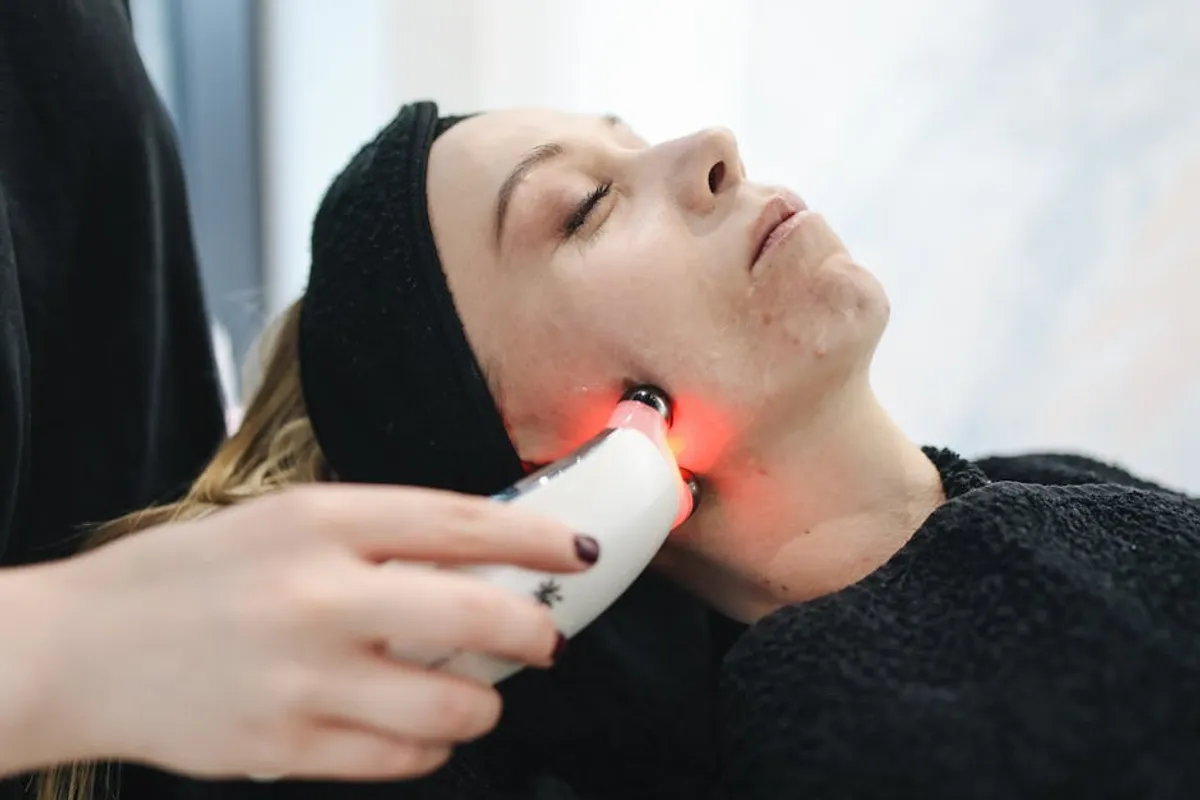
Establishing an effective skincare routine before applying makeup is not merely an extra step; it is a fundamental practice that directly influences the longevity, finish, and overall health of your skin. A well-prepared canvas ensures makeup applies smoothly, blends seamlessly, and maintains its integrity throughout the day, preventing issues like caking, creasing, or premature fading. Beyond aesthetics, proper pre-makeup skincare acts as a protective barrier, minimizing the impact of environmental stressors and makeup ingredients on your skin's delicate balance. This approach prioritizes skin health while optimizing cosmetic application, leading to a more polished look and sustained skin vitality.
The Foundation: Why Skincare Precedes Makeup
The sequence of skincare before makeup application is critical, serving multiple functional purposes that extend beyond superficial appearance. It’s about creating an optimal environment for both your skin and your cosmetics.
Enhanced Makeup Adhesion and Longevity
Makeup adherence is significantly improved when applied to skin that has been properly cleansed and hydrated. Residual oils, dead skin cells, or dry patches create an uneven surface that prevents foundation, concealer, and other products from gripping uniformly. When skin is balanced and supple, makeup pigments can bond more effectively, reducing the likelihood of products sliding, separating, or settling into fine lines. This preparation directly translates to extended wear time and a more consistent finish, reducing the need for frequent touch-ups.
Skin Health and Barrier Protection
A thoughtful skincare routine prior to makeup application provides a crucial layer of protection for the skin. Hydrating ingredients, antioxidants, and SPF create a buffer against potential irritants in makeup, environmental pollutants, and UV radiation. This protective barrier helps maintain the skin's natural moisture balance, reduces transepidermal water loss, and supports the skin's natural reparative processes. Neglecting this step can leave skin vulnerable, potentially leading to dryness, breakouts, or increased sensitivity over time.
Achieving a Smoother Finish
The texture of your skin directly impacts the final look of your makeup. Dry, flaky areas or excessively oily zones will compromise the smoothness and evenness of foundation and powder. Proper cleansing removes impurities that can contribute to a dull complexion, while toning refines pores, and moisturizing plumps the skin, minimizing the appearance of texture. This meticulous preparation ensures that makeup glides on effortlessly, resulting in a more uniform, radiant, and professional-looking finish that appears natural rather than masked.
Building Your Simple Pre-Makeup Skincare Routine
A simple yet effective pre-makeup routine focuses on essential steps that prepare and protect the skin without adding unnecessary complexity or product layers.
Step 1: Gentle Cleansing
Begin with a mild cleanser to remove overnight accumulation of oils, sweat, and any residual skincare products. This creates a clean slate for subsequent steps.
- Gel Cleansers: Ideal for oily or combination skin, providing a refreshing cleanse without stripping.
- Cream Cleansers: Suited for dry or sensitive skin, offering hydration and a gentle touch.
- Micellar Water: A quick, no-rinse option for all skin types, particularly useful for sensitive skin or when time is limited.
The goal is to cleanse thoroughly without disrupting the skin's natural barrier. Pat skin dry with a clean, soft towel.
Step 2: Toning for Balance
A toner helps to rebalance the skin's pH after cleansing and can provide an initial layer of hydration or gentle exfoliation.
Hydrating Toners: Formulated with ingredients like hyaluronic acid or glycerin, these prepare the skin to better absorb serums and moisturizers. They are suitable for all skin types, especially dry or dehydrated skin.
Exfoliating Toners: Containing mild acids (e.g., glycolic, lactic), these gently remove dead skin cells for a smoother surface. Use sparingly, perhaps 2-3 times a week, and avoid if your skin is sensitive or compromised.
Apply with a cotton pad or by gently pressing into the skin with clean hands.
Step 3: Targeted Treatment (Optional but impactful)
This step addresses specific skin concerns and can significantly enhance skin health and makeup performance.
Serums: Lightweight, concentrated formulas that deliver active ingredients. A vitamin C serum can brighten and provide antioxidant protection, while a hyaluronic acid serum offers intense hydration, plumping the skin for a smoother makeup application. Apply a few drops and allow it to absorb fully.
Eye Cream: The delicate skin around the eyes benefits from a dedicated product. A lightweight eye cream can hydrate, reduce puffiness, and minimize the appearance of fine lines, ensuring concealer applies more smoothly and doesn't crease.
Step 4: Hydration is Key
A moisturizer is essential to lock in hydration and create a smooth, supple surface for makeup. Choose one appropriate for your skin type:
Gel Moisturizers: Lightweight and non-greasy, excellent for oily or acne-prone skin, absorbing quickly.
Lotions: A balanced option for normal or combination skin, providing adequate hydration without heaviness.
Creams: Richer formulas for dry or mature skin, offering intense moisture and barrier support.
Apply an even layer and allow it to sink in for a few minutes before proceeding. This prevents makeup from pilling or looking patchy.
Step 5: Sun Protection (Non-Negotiable)
Protecting your skin from UV radiation is paramount, regardless of whether you're applying makeup. Integrate a broad-spectrum SPF of at least 30 into your routine.
Application: This can be a standalone SPF product applied after moisturizer, or a moisturizer that already contains SPF. Ensure even coverage on all exposed skin, including the neck and ears. Allow it to set for 5-10 minutes before makeup application to prevent dilution or compromise of its protective capabilities.
Common Mistakes to Avoid
Pro Tip: Avoid applying products too quickly in succession. Allowing each layer of skincare to fully absorb for 30-60 seconds prevents pilling, ensures active ingredients can penetrate effectively, and creates a stable base for subsequent products and makeup. Patience in application yields superior results.
Even with a simple routine, certain errors can undermine its effectiveness and compromise your makeup application. Over-exfoliating, for example, can strip the skin, leading to irritation, redness, and a compromised skin barrier, making makeup application uncomfortable and uneven. Skipping SPF, even on cloudy days or when indoors, leaves skin vulnerable to premature aging and damage. Applying too many occlusive products can overload the skin, causing makeup to slide or feel heavy. Furthermore, using products with incompatible formulations (e.g., water-based makeup over oil-based skincare that hasn't absorbed) can lead to separation and pilling, ruining the finish.
Optimizing Your Canvas for Makeup
The success of your pre-makeup skincare routine hinges on consistency and understanding your skin's unique needs. Regular adherence to these steps ensures that your skin remains healthy, balanced, and receptive to makeup. Pay attention to how your skin reacts to different products and adjust your routine seasonally or as your skin concerns evolve. Allowing sufficient absorption time for each product is crucial; rushing this process can lead to product pilling or an uneven makeup application. Ultimately, a well-prepped skin surface requires less makeup to achieve a flawless look, enhancing your natural radiance and ensuring your cosmetic efforts are maximized.
Frequently Asked Questions
How long should I wait between skincare steps?
Allow approximately 30-60 seconds between applying each skincare product. This gives each layer sufficient time to absorb and prevents products from pilling or interfering with each other's efficacy. For SPF, wait 5-10 minutes before applying makeup.
Can I skip some steps if I'm in a hurry?
While a full routine is ideal, in a rush, prioritize cleansing, moisturizing, and SPF. These three steps are fundamental for skin health and makeup application. You can combine steps by using a moisturizer with SPF if time is extremely limited.
Does primer replace skincare?
No, primer does not replace skincare. Primer's primary function is to create an ideal surface for makeup, addressing concerns like pore blurring or oil control. Skincare, however, focuses on nourishing, hydrating, and protecting the skin at a deeper level. Primer should always be applied after your full skincare routine.
Should my skincare products be from the same brand?
It is not necessary for all your skincare products to be from the same brand. Focus on selecting products with ingredients and formulations that suit your skin type and concerns. Many effective routines combine products from various brands to achieve optimal results.