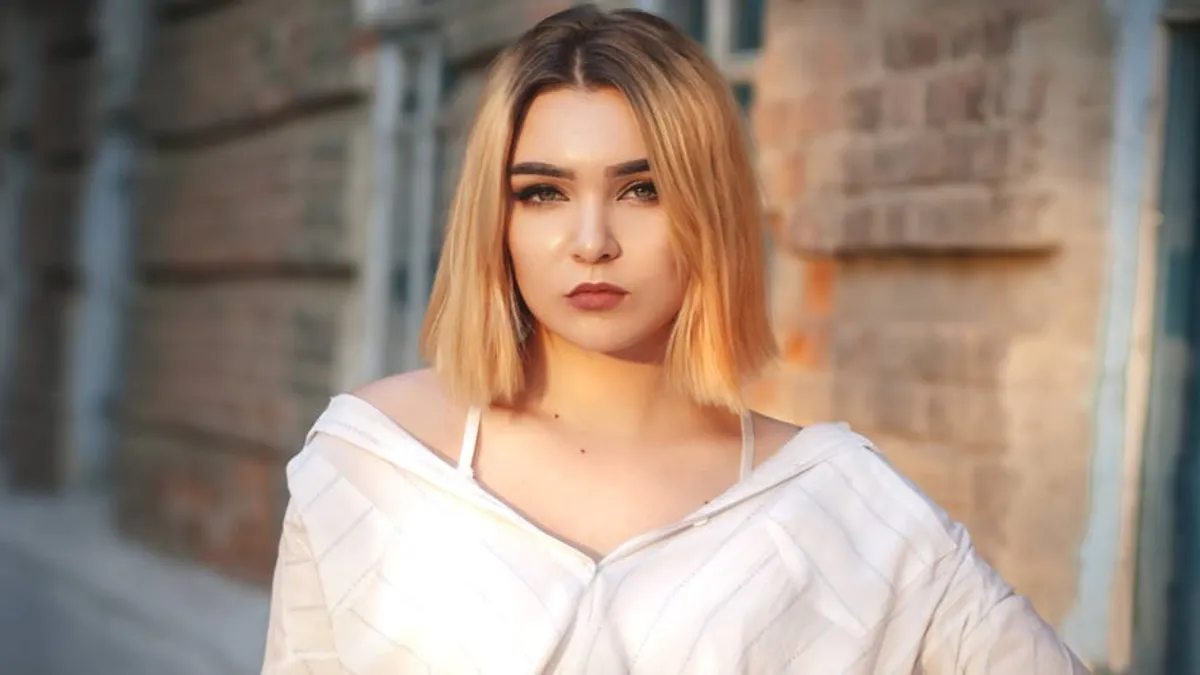
Shoulder-length haircuts occupy a unique and highly versatile position in hair styling, offering a balance between the commitment of long hair and the boldness of a short crop. This medium length provides ample room for styling experimentation while maintaining a manageable profile. For individuals considering a change, understanding the specific characteristics and suitability of various shoulder-length styles is crucial for making an informed decision that aligns with hair type, face shape, and daily maintenance preferences. The right medium-length cut can enhance facial features, add volume, or reduce bulk, making it a strategic choice for a wide range of aesthetic goals.
The Enduring Appeal of Medium-Length Cuts
The popularity of shoulder-length haircuts stems from their inherent adaptability. They are long enough to be pulled back, braided, or styled into updos, yet short enough to feel light and require less drying time than very long hair. This length often hits between the collarbone and the top of the shoulder, a zone that allows for significant movement and body. It’s a length that can transition seamlessly from professional settings to casual outings, making it a practical choice for many.
The Classic Lob (Long Bob)
The lob is arguably the most iconic shoulder-length style. It’s a bob that extends past the chin, typically resting on or just above the shoulders. Its appeal lies in its clean lines and sophisticated simplicity. A blunt lob offers a strong, modern silhouette, while a subtly layered lob can introduce softness and movement without sacrificing structure.
- Best for: Oval, square, and heart-shaped faces. It can soften strong jawlines and add width to narrow faces.
- Hair Type: Works well with straight to wavy hair. Fine hair benefits from the blunt cut's ability to create an illusion of density. Thicker hair can be internally layered to reduce bulk.
Layered Shoulder-Length Styles
Layers are a fundamental technique for adding dimension, volume, or texture to shoulder-length hair. The placement and length of layers dictate the final look. Face-framing layers can highlight features, while longer layers throughout the back add movement without removing significant length.
Consider:
- Shag Haircut: Characterized by choppy, uneven layers, particularly around the crown and face, often paired with bangs. It creates a voluminous, rock-and-roll aesthetic.
- Best for: Round, square, and oval faces, as the layers can add angles and elongate the face.
- Hair Type: Ideal for wavy or curly hair, as the layers enhance natural texture. It can also add volume to fine, straight hair when cut with precision.
- Graduated Layers: Layers that get progressively shorter towards the top of the head, often seen in a graduated bob that builds volume at the back.
- Best for: Adding volume and shape to hair that tends to lie flat.
- Hair Type: Excellent for fine to medium hair textures.
Modern Interpretations and Styling Details
Contemporary shoulder-length ideas often incorporate elements that personalize the traditional medium cut, from strategic fringe placements to subtle asymmetries.
Curtain Bangs with Medium Length
Curtain bangs, which part in the middle and sweep to the sides, blend seamlessly with shoulder-length hair. They frame the face softly, often enhancing cheekbones and eyes without the commitment of a full fringe. This style adds a touch of retro charm while remaining distinctly modern.
Pro Tip: Regardless of the style chosen, regular trims every 6-8 weeks are critical for maintaining the shape, preventing split ends, and ensuring the haircut continues to perform as intended. Neglecting trims can quickly lead to a loss of structure and an unkempt appearance, especially with layered or blunt cuts.
Asymmetrical and Textured Cuts
An asymmetrical lob, where one side is slightly longer than the other, offers a bold, fashion-forward statement. Texturizing techniques, such as point cutting or slicing, can be applied to any shoulder-length cut to remove weight, create movement, and enhance a piecey, undone look. This is particularly effective for thick hair that needs de-bulking or for adding an edgy finish.
Tailoring Your Cut to Hair Type and Texture
The success of a shoulder-length haircut largely depends on how well it complements your natural hair characteristics.
- Fine Hair: Opt for blunt cuts or subtle, long layers to create the illusion of fullness. Avoid excessive layering, which can make fine hair appear thinner. A solid perimeter is key for density.
- Thick Hair: Benefit from internal layering or graduation to remove bulk and prevent a "pyramid" shape. A-line lobs or shags can manage volume effectively.
- Wavy/Curly Hair: Embrace natural texture with layers that enhance curl definition and reduce frizz. A dry cut method can be particularly effective for curly hair, allowing the stylist to see how the hair falls naturally.
- Straight Hair: Can carry off sharp, geometric cuts like a blunt lob with precision. Adding face-framing layers can prevent it from looking too flat or severe.
Optimizing Your Medium-Length Style
Choosing a shoulder-length haircut is the first step; maintaining and styling it effectively ensures its longevity and appeal. Invest in quality styling products tailored to your hair type, such as volumizing mousses for fine hair, anti-frizz serums for curly hair, or heat protectants for those who frequently use hot tools. Learning a few basic styling techniques—like blow-drying with a round brush for volume or using a curling iron for soft waves—will maximize the versatility of your chosen cut. Remember that a professional consultation with a stylist who understands hair texture and face shape is invaluable for selecting a shoulder-length style that truly works for you.
Frequently Asked Questions
What is the most versatile shoulder-length haircut?
The long bob (lob) is widely considered the most versatile shoulder-length haircut due to its adaptability to various hair types, textures, and styling preferences, from sleek and straight to wavy and textured.
How often should shoulder-length hair be trimmed?
Shoulder-length hair typically benefits from trims every 6 to 8 weeks to maintain its shape, remove split ends, and ensure the layers or blunt lines remain sharp and intentional.
Can shoulder-length hair be styled in updos?
Yes, shoulder-length hair is long enough for a variety of updos, including low buns, half-up styles, braided crowns, and elegant chignons, offering numerous options for formal or casual occasions.
Is shoulder-length hair easy to maintain?
Compared to very long hair, shoulder-length hair generally requires less maintenance in terms of washing, drying, and styling time, striking a balance that many find convenient without sacrificing styling potential.