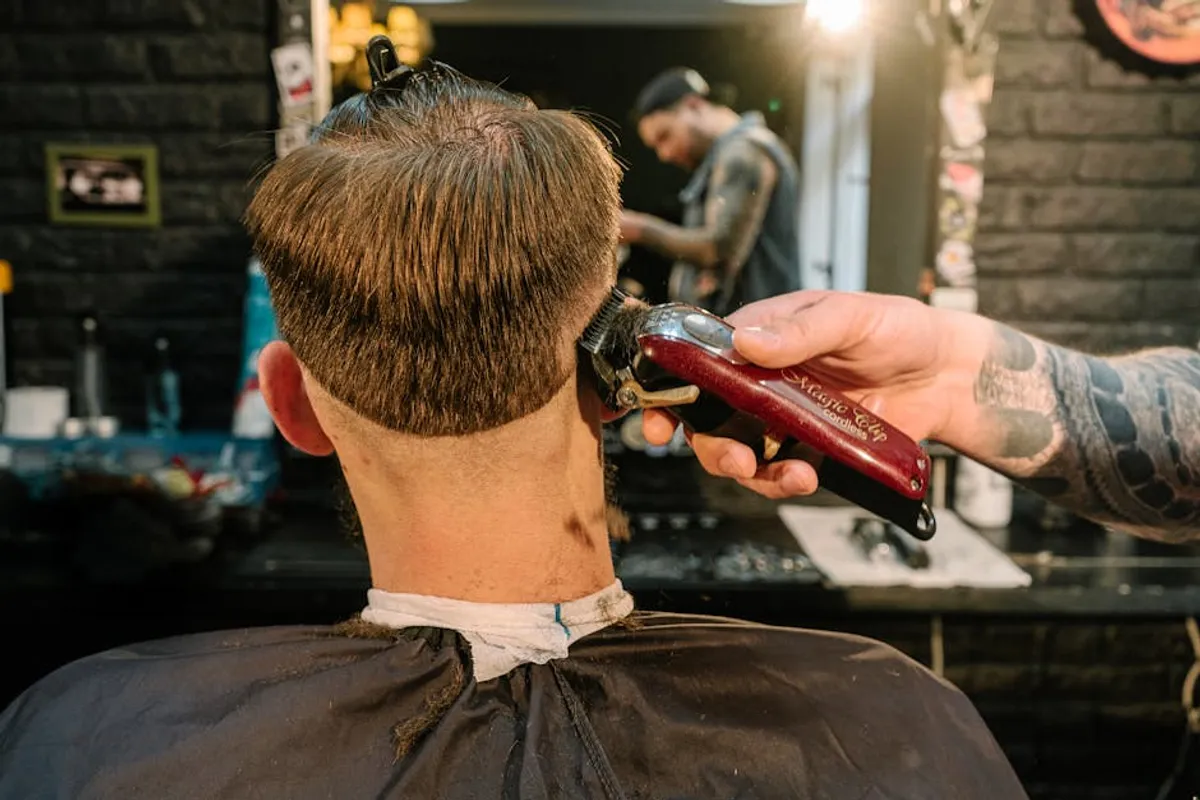
The niche of "short haircuts for vacation style" presents a distinct, commercially viable opportunity for SEO professionals, marketers, and publishers. While seemingly aesthetic, this domain intersects with travel planning, beauty routines, and lifestyle choices, driving specific search intent. Users actively seek practical, visually appealing, and low-maintenance solutions for their holiday hair, indicating a clear need for targeted content and product recommendations. Understanding the seasonal peaks, geographic nuances, and evolving style trends within this niche allows for precise keyword targeting, content creation, and monetization strategies. The goal is to capture high-intent traffic by addressing common pain points and aspirational desires related to vacation hair, converting engagement into tangible commercial outcomes. This understanding can then be applied to specific demographics, such as short haircuts for women, to further refine content strategy.
Evaluating Content and Monetization Strategies for Niche Haircare
When developing an SEO strategy around specific style niches like "short haircuts for vacation," consider several critical factors. First, assess the search volume and keyword difficulty for both broad and long-tail terms. This informs the potential traffic ceiling and competitive landscape. Second, analyze user intent: Are searchers looking for inspiration (informational), tutorials (transactional/informational), or product recommendations (commercial)? Tailoring content to intent maximizes conversion. Third, evaluate content format suitability; visual content often outperforms text-only for style topics. Fourth, examine monetization potential, whether through affiliate sales of products, direct sales of guides, or ad revenue from high-volume traffic. Finally, consider scalability and maintenance. A strategy should be sustainable and adaptable to evolving trends and search algorithm changes.
1. Hyper-Localized Style Guides
This strategy focuses on creating content that combines specific short haircut styles with popular vacation destinations or types of travel. For example, "Beach-Ready Bobs for a Bali Getaway" or "Chic Pixies for European City Breaks." The approach leverages the specificity of user intent, where individuals often plan their appearance in conjunction with their travel itinerary. It taps into both fashion and travel search queries, broadening the potential audience.
Best For: Publishers or affiliate marketers targeting travelers who prioritize aesthetics and practicality, particularly those in the planning stages of a trip.
Pros:
- High Specificity and Low Competition: Long-tail keywords combining haircut styles with destinations often have lower search volume but significantly higher conversion rates and less competition.
- Enhanced Topical Authority: Deep dives into specific vacation scenarios establish the site as an authority on both travel-specific fashion and haircare.
- Diverse Monetization Avenues: Opportunities for affiliate links to travel products (sunscreen, travel-sized styling tools), destination-specific services, or even local salon recommendations.
- Strong Visual Appeal: Naturally lends itself to engaging imagery, which performs well on visual platforms like Pinterest and Instagram, driving referral traffic.
Cons:
- Content Volume Requirement: Requires creating a large volume of highly specific content to cover numerous combinations of styles and destinations, which can be resource-intensive.
- Seasonal Fluctuations: Traffic for specific destinations can be highly seasonal, requiring ongoing content refreshes and strategic publishing schedules.
- Research Intensity: Demands detailed research into both hair trends and destination-specific climate/activities to ensure relevance and accuracy.
Verdict: A potent strategy for capturing highly qualified, niche traffic. Its success hinges on thorough keyword research and a commitment to producing detailed, visually rich content that directly answers specific user queries. Requires a robust content calendar and potential for geographic targeting in outreach efforts.
2. Seasonal Trend Forecasting for Vacation Hair
This strategy involves analyzing and predicting popular short haircut trends specifically for upcoming vacation seasons (e.g., summer, spring break, holiday travel). Content would focus on "What short styles are trending for summer vacations?" or "Top low-maintenance short cuts for winter getaways." It positions the content creator as a thought leader, providing timely and relevant information ahead of peak search periods.
Best For: Content creators and beauty industry affiliates aiming to capture early-stage search intent and influence purchasing decisions for styling products.
Pros:
- First-Mover Advantage: Publishing content ahead of seasonal peaks allows for earlier indexing and ranking, capturing traffic before competitors.
- High Shareability: Trend-focused content is often highly shareable on social media, driving organic reach and brand visibility.
- Anticipates User Needs: Directly addresses the common user query of "what's in style" for specific travel contexts, demonstrating foresight.
Cons:
- Accuracy Risk: Predicting trends carries the risk of misjudgment, leading to less relevant content if predictions don't align with actual popular styles.
- Short Shelf Life: Trend-based content can become outdated quickly, requiring frequent updates or new content creation each season.
- Reliance on External Data: Requires access to fashion industry insights, social media analytics, and search trend tools to make informed predictions.
Verdict: Effective for driving timely traffic and establishing authority, but demands continuous research and adaptation. The commercial value lies in early affiliate product recommendations and ad revenue from high, albeit temporary, traffic surges.
3. User-Generated Content (UGC) Integration Campaigns
This strategy leverages the authentic experiences of real people showcasing their short vacation haircuts. It involves encouraging users to submit photos, videos, or testimonials, which are then curated and featured on the site. Campaigns could involve specific hashtags or contests, driving community engagement and fresh content. The content itself acts as social proof and offers diverse perspectives on style suitability.
Best For: Brands or publishers seeking to build community, increase engagement, and generate authentic content at a lower cost than professional shoots.
Pros:
- Authenticity and Trust: UGC is often perceived as more trustworthy and relatable than branded content, influencing purchase decisions.
- Cost-Effective Content Generation: Reduces the need for extensive in-house content creation, as users contribute material.
- Increased Engagement and Loyalty: Fosters a sense of community and encourages repeat visits from users hoping to be featured.
- Diverse Keyword Opportunities: User submissions can organically introduce new long-tail keywords and style variations not initially considered.
Cons:
- Quality Control Challenges: Maintaining a consistent standard of visual quality and relevance across user submissions can be difficult.
- Moderation Overhead: Requires resources for reviewing, categorizing, and managing submitted content to ensure brand safety and relevance.
- Inconsistent Volume: The flow of UGC can be unpredictable, making it challenging to maintain a steady content pipeline.
Verdict: A powerful strategy for building brand affinity and generating fresh content, but requires a clear moderation policy and active community management. Commercial benefits come from increased engagement leading to higher conversion rates and indirect SEO benefits from social signals.
4. Affiliate Marketing for Travel-Sized Styling Products
This strategy focuses on creating content that reviews, recommends, and links to travel-sized hair care products, styling tools, and accessories specifically designed for short haircuts on vacation. Articles could be "Essential Travel Kit for Your Pixie Cut" or "Best Mini Flat Irons for Vacation Bobs." The commercial intent is direct, aiming for immediate conversions.
Best For: Affiliate marketers, review sites, and beauty blogs looking for direct revenue streams from product recommendations.
Pros:
- Direct Monetization: Clear path to revenue through affiliate commissions on product sales.
- High Commercial Intent: Users searching for "travel-sized [product]" are often close to making a purchase decision.
- Evergreen Content Potential: While specific products change, the need for travel-sized solutions is constant, allowing for content updates rather than complete rewrites.
Cons:
- Commission Dependence: Revenue is tied directly to affiliate program terms and commission rates, which can fluctuate.
- Competitive Landscape: Product review niches are often highly competitive, requiring strong SEO and unique angles to rank.
- Product Availability Issues: Affiliate links can break if products go out of stock or are discontinued, requiring constant monitoring.
Verdict: A straightforward commercial strategy with high potential if executed with thorough product research and strong SEO. Requires ongoing maintenance of affiliate links and a commitment to unbiased, detailed reviews to build trust.
5. Video Tutorial Series for Vacation Styling
Developing a series of short, easy-to-follow video tutorials demonstrating how to style various short haircuts specifically for vacation scenarios. Examples include "5-Minute Beach Waves for Your Short Bob" or "Quick Updos for a Pixie Cut on the Go." These videos would be hosted on platforms like YouTube and embedded on the website, catering to visual learners and increasing time on page.
Best For: Content creators, stylists, and brands aiming to engage visual audiences, build a YouTube presence, and drive traffic to their website.
Pros:
- High Engagement: Video content typically has higher engagement rates and longer viewing times than text-only content.
- Strong SEO Signals: Embedded videos can improve on-page SEO metrics (time on page, bounce rate) and offer opportunities for YouTube SEO.
- Demonstrates Expertise: Visually showcasing styling techniques builds credibility and positions the creator as an authority.
- Repurposing Potential: Video content can be easily repurposed into short clips for social media, GIFs, or step-by-step image guides.
Cons:
- Production Costs: High-quality video production requires significant investment in equipment, editing software, and potentially talent.
- Time-Consuming: Planning, shooting, and editing videos is a time-intensive process compared to writing text-based content.
- Platform Dependence: Relies heavily on YouTube's algorithm and policies for discoverability, which can change.
Verdict: An excellent strategy for capturing visual searchers and building a loyal audience. The commercial value comes from ad revenue on platforms like YouTube, affiliate links within video descriptions, and driving traffic back to a monetized website. Requires a consistent production schedule and a focus on clear, concise instructions.
6. "Before & After" Transformation Showcases
This strategy involves presenting visual case studies of individuals transforming their short haircuts to be vacation-ready. This could include styling changes, temporary color additions, or practical modifications for travel. The "before & after" format is highly engaging and provides tangible proof of concept, addressing user skepticism and inspiring action.
Best For: Stylists, salons, and product brands looking to showcase their services or product effectiveness through compelling visual narratives.
Pros:
- High Visual Impact: "Before & After" imagery is inherently captivating and performs well on visual social platforms and in search results.
- Demonstrates Value: Clearly illustrates the benefits of specific styles or products for vacation scenarios.
- Inspires Action: Seeing tangible results can motivate users to try a new style or purchase a recommended product.
Cons:
- Content Sourcing: Requires access to willing participants and high-quality photography, which can be challenging and costly.
- Ethical Considerations: Must ensure proper consent and disclosure when using individuals' images.
- Limited Keyword Potential: While visually engaging, the "before & after" format itself doesn't always lend itself to high-volume keywords, requiring supporting text.
Verdict: Powerful for building trust and inspiring users, making it highly effective in the conversion stage of the funnel. Commercial benefits are indirect, driving interest in services or products, leading to higher conversion rates on related content.
7. Expert Interviews and Collaborations
This strategy involves featuring interviews with professional hairstylists, travel influencers, or beauty experts who specialize in short haircuts and travel. Content can be in written, audio (podcast), or video format. These collaborations lend credibility and offer unique perspectives, attracting new audiences through cross-promotion.
Best For: Publishers and brands seeking to enhance their authority, expand their reach, and tap into new audiences through influencer marketing and expert insights.
Pros:
- Credibility and Authority: Expert insights build trust and position the content creator as a reliable source of information.
- Expanded Reach: Collaborators often share the content with their own audience, driving new traffic and backlinks.
- Unique Content Angles: Interviews provide fresh perspectives and insights that differentiate content from generic articles.
- SEO Value from Mentions: Mentions by reputable experts can contribute to E-E-A-T (Experience, Expertise, Authoritativeness, Trustworthiness) signals.
Cons:
- Coordination Challenges: Scheduling and managing interviews with busy experts or influencers can be complex.
- Compensation: High-profile experts may require compensation, increasing content production costs.
- Quality Dependence: The value of the content is highly dependent on the expertise and communication skills of the interviewed individual.
Verdict: A strong strategy for building brand authority and expanding audience reach, particularly effective for top-of-funnel content. Commercial benefits are indirect, stemming from increased traffic, improved SEO authority, and potential for sponsored content opportunities.
8. Interactive Quizzes and Recommendation Tools
This strategy involves creating interactive quizzes or tools that help users determine the best short haircut for their vacation style, hair type, or destination. Examples include "Find Your Perfect Vacation Pixie" or "Which Short Cut Suits Your Beach Trip?" These tools offer personalized recommendations, increasing engagement and data collection opportunities.
Best For: Publishers and brands looking to increase user engagement, gather audience data, and provide personalized value propositions.
Pros:
- High Engagement Rates: Interactive content encourages users to spend more time on the page and actively participate.
- Personalized User Experience: Tailored recommendations create a valuable and memorable experience for the user.
- Lead Generation Potential: Quizzes can be used to collect email addresses for remarketing or newsletter subscriptions.
- Shareability: Users often share their quiz results, driving organic traffic and social signals.
Cons:
- Development Complexity: Creating robust, accurate, and engaging interactive tools requires technical expertise and careful planning.
- Maintenance: Tools need regular updates to ensure accuracy and relevance of recommendations.
- Limited Direct