Selecting a short haircut for the summer months involves more than just a trim; it's a strategic decision that impacts daily styling, comfort in heat, and how well your hair integrates with lighter, more casual wardrobes. The right cut minimizes styling effort, withstands humidity, and complements the relaxed aesthetic of summer fashion, from beachwear to evening separates. This guide focuses on practical, low-maintenance options that enhance your summer look without demanding extensive upkeep, ensuring you spend less time on styling and more time enjoying the season.
How to Choose Your Summer Short Haircut
When evaluating short haircut ideas for summer, consider several practical factors beyond aesthetic appeal. Your hair texture, face shape, and daily activity level are primary determinants. Fine hair benefits from cuts that add volume and structure, while thick hair often requires strategic layering to reduce bulk and prevent frizz. For active individuals, cuts that stay off the neck and face are ideal, minimizing sweat and discomfort. Assess how much styling time you're willing to commit; some cuts are wash-and-go, while others require specific products or heat tools for optimal results. Finally, think about your typical summer wardrobe—does the cut harmonize with sundresses, swimwear, or more structured linen pieces? A cohesive look from head to toe elevates your overall summer style.
1. The Classic Pixie Cut
The pixie cut remains a perennial favorite for its bold statement and minimal upkeep. Characterized by short layers on the sides and back, often with a slightly longer top, it offers versatility in styling. It can be worn sleek and sophisticated, or textured and playful, depending on product application. This cut is particularly effective in hot, humid climates, as it keeps hair off the neck and face, reducing discomfort and styling time. Its sharp lines can emphasize facial features, making it a powerful choice for those with strong bone structures.
Best For: Individuals seeking maximum convenience and a striking, modern aesthetic. Ideal for those with fine to medium hair density who want a wash-and-go style.
Pros:
- Extremely low maintenance and quick to dry.
- Keeps hair off the neck, providing comfort in heat and humidity.
- Highlights facial features and jewelry.
- Versatile for various styling products to achieve different textures.
Cons:
- Requires frequent trims (every 3-5 weeks) to maintain its shape.
- Limited styling options compared to longer cuts.
- Can be a significant change for those accustomed to long hair.
Verdict: A definitive choice for summer practicality and high-impact style, provided you are committed to regular salon visits.
2. The Textured Crop
A softer, more lived-in alternative to the traditional pixie, the textured crop features slightly longer layers throughout, allowing for more movement and a less severe silhouette. This cut often incorporates subtle asymmetry or a fringe, adding a contemporary edge. It's designed to look effortlessly chic, requiring minimal product to enhance its natural texture. The added length provides more styling flexibility, allowing for a tousled, beachy look or a slightly more polished finish.
Best For: Those who desire a modern, low-effort style with a bit more softness than a classic pixie. Suits most hair types, especially those with natural waves or slight texture.
Pros:
- Easy to style with minimal product (e.g., sea salt spray or texturizing paste).
- Offers more versatility than a very short pixie, allowing for slight variations in parting or fringe.
- Excellent for concealing slight hair thinning on top due to layered volume.
- Maintains a cool feel while offering more coverage than a buzz cut.
Cons:
- Still requires regular trims to maintain shape, though slightly less frequent than a very short pixie.
- May not be suitable for extremely thick or unruly hair without significant thinning.
Verdict: A versatile and fashionable option that balances ease of wear with contemporary style, perfect for a relaxed summer wardrobe.
3. The French Bob
The French bob is a chic, jaw-skimming cut, often paired with a short, blunt fringe. Its defining characteristic is the precise, sharp line that typically ends between the chin and the jawline, creating a sophisticated and timeless appeal. This style exudes effortless elegance and pairs exceptionally well with high-waisted shorts, linen dresses, and structured blouses. While it requires a clean cut, styling can be minimal, often just air-drying or a quick blow-dry to enhance its natural swing.
Best For: Individuals with fine to medium hair who appreciate classic, refined aesthetics. Particularly flattering for oval, heart, and square face shapes.
Pros:
- Timeless and sophisticated, elevating any summer outfit.
- Relatively low maintenance for daily styling once cut correctly.
- Keeps hair off the neck while offering a more substantial look than a pixie.
- The fringe can frame the eyes beautifully.
Cons:
- Requires precise cutting and regular trims (every 4-6 weeks) to maintain the blunt line.
- Fringe can be high maintenance in humid conditions if not cut to suit texture.
- Less suitable for very curly or extremely thick hair without extensive straightening or thinning.
Verdict: An elegant, low-fuss summer choice that projects an air of understated chic, ideal for those seeking a polished yet practical look.
4. The Shag Cut (Short Version)
A short shag cut brings a rock-and-roll edge to summer styling, characterized by choppy layers, a feathered top, and often a wispy fringe. This cut embraces natural texture and movement, making it an excellent choice for those who prefer a less structured, more playful look. The layers reduce bulk and create volume, allowing for easy air-drying and a deliberately undone aesthetic. It pairs well with bohemian-inspired summer dresses, vintage tees, and denim.
Best For: Individuals with wavy, curly, or fine-to-medium hair seeking volume and a trendy, effortless vibe. Great for disguising growth between trims.
Pros:
- Enhances natural texture and volume, reducing styling effort.
- Versatile for air-drying or quick blow-drying with texturizing products.
- Low commitment for trims due to its intentionally disheveled nature.
- Modern and youthful aesthetic.
Cons:
- May appear messy if not cut to suit hair texture.
- Can require specific layering techniques to avoid a dated look.
- Less formal than a bob or pixie, which might not suit all professional settings.
Verdict: A dynamic and expressive option for summer that celebrates natural texture and offers a stylish, low-maintenance solution for a relaxed wardrobe.
5. The Undercut Pixie
The undercut pixie combines the brevity of a pixie with a bold, shaven or very closely cropped section underneath, typically at the nape or sides. This contrast creates a striking visual effect, adding an element of rebellion and modernity. The longer top layers can be styled to cover the undercut for a more traditional look or swept aside to reveal the shaved section. It offers significant relief from heat, especially at the nape, making it highly functional for summer.
Best For: Those looking for an edgy, statement-making haircut that offers maximum cooling and a unique aesthetic. Suitable for various hair textures, as the top can be styled to suit.
Pros:
- Exceptional for keeping cool in hot weather due to reduced hair volume.
- Offers a distinct, modern, and customizable style.
- Can be styled to be more conservative or overtly edgy.
- Reduces overall hair drying time significantly.
Cons:
- Requires very frequent maintenance (every 2-4 weeks) to keep the undercut clean and sharp.
- Growing out can be challenging and may require transitional styling.
- Less versatile for formal updos.
Verdict: A high-impact, functional choice for summer that delivers both an aesthetic edge and practical cooling benefits, ideal for those willing to commit to upkeep.
6. The Buzz Cut
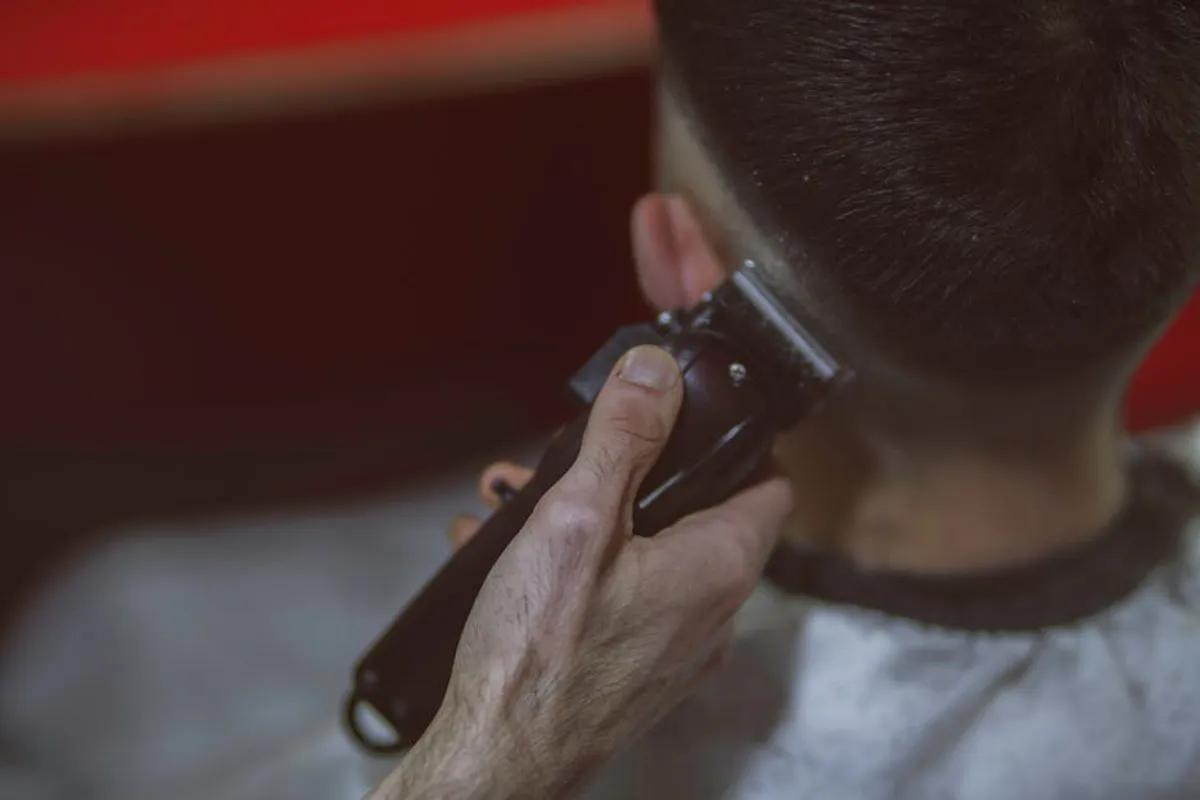
The ultimate in low-maintenance, the buzz cut involves uniformly cutting the hair to a very short length, often with clippers. This style is not for the faint of heart but offers unparalleled freedom and coolness in summer. It eliminates all styling time, product use, and concerns about humidity or sweat. The buzz cut makes a powerful statement, highlighting facial features and often revealing a strong sense of personal style. It pairs surprisingly well with both casual and high-fashion summer looks.
Best For: Individuals seeking the absolute lowest maintenance option, maximum comfort in heat, and a bold, confident statement. Suitable for all hair types.
Pros:
- Zero styling time and product requirement.
- Maximum comfort and cooling in extreme heat and humidity.
- Highlights facial symmetry and bone structure.
- Empowering and rebellious aesthetic.
Cons:
- Offers no versatility in styling.
- Can be a dramatic change and may not suit all face shapes or personal styles.
- Requires very frequent touch-ups (every 1-2 weeks) to maintain uniform length.
Verdict: The definitive choice for extreme practicality and a fearless summer statement, provided you embrace its stark simplicity.
7. The A-Line Bob (Short)
A short A-line bob is characterized by hair that is shorter in the back and gradually lengthens towards the front, creating a distinct angle. This cut offers a sleek, sophisticated silhouette that is perpetually in style. It provides more length around the face than a pixie, allowing for framing, while keeping the nape area light and cool. The precision of the cut is key, and it often benefits from a smooth, polished finish, making it a strong complement to more structured summer ensembles.
Best For: Those who prefer a polished, angular look with some face-framing length. Works well with straight to slightly wavy hair, particularly fine to medium density.
Pros:
- Elegant and modern aesthetic.
- Keeps hair off the neck while offering a sense of length.
- Easy to style for a smooth finish with a blow-dryer.
- Can be customized with varying degrees of angle.
Cons:
- Requires regular trims (every 4-6 weeks) to maintain the precise A-line shape.
- May require more styling effort than a textured crop to achieve a sleek look.
- Less suitable for very curly hair unless committed to heat styling.
Verdict: A sophisticated and structured option for summer, offering a balance of elegance and practical length for a refined wardrobe.
8. The Bowl Cut (Modernized)
The modern bowl cut moves beyond its retro origins, featuring softer lines, textured edges, and often a subtle graduation in length. It typically maintains a uniform length around the perimeter of the head, often with a heavier, blunt fringe. This contemporary iteration can be surprisingly chic and offers a unique, fashion-forward statement. It's excellent for showcasing strong facial features and can provide a cool, comfortable feel by keeping hair off the neck and ears.
Best For: Fashion-forward individuals with straight to slightly wavy hair who want a distinctive, artistic look. Particularly flattering for oval and heart-shaped faces.
Pros:
- Makes a bold, artistic fashion statement.
- Keeps hair off the neck and ears, providing comfort.
- Minimal daily styling if cut precisely to hair texture.
- Can be worn sleek or with added texture for versatility.
Cons:
- Requires a skilled stylist to avoid a dated appearance.
- Needs regular trims (every 4-6 weeks) to maintain its precise shape and fringe.
- May not be universally flattering and requires confidence to wear.
Verdict: A daring yet stylish option for summer that offers a cool aesthetic and practical comfort, best suited for those embracing experimental fashion.
9. The Tapered Nape Cut
A tapered nape cut is a technique rather than a standalone style, often applied to pixies, bobs, or even short shags. It involves gradually shortening the hair at the nape of the neck, typically with clippers or scissors, creating a clean, graduated transition from longer top layers to a very short or shaven hairline. This technique significantly enhances comfort in summer by removing bulk from the neck, preventing sweat and stickiness. It also gives the haircut a sharper, more refined finish.
Best For: Anyone with a short haircut looking to maximize comfort and achieve a clean, polished finish, especially beneficial for thicker hair types.
Pros:
- Significantly increases comfort by reducing hair at the nape.
- Creates a very clean and professional-looking hairline.
- Can be incorporated into various short styles.
- Reduces drying time in a notoriously damp area.
Cons:
- Requires frequent touch-ups (every 3-5 weeks) to maintain the neat taper.
- Can expose the neck more, which might not be preferred by all.
- Growing out can create an awkward phase at the nape.
Verdict: An excellent functional addition to many short summer haircuts, providing enhanced comfort and a refined aesthetic, particularly valuable for warmer climates.
10. The Wavy Crop with Side Part
This style leverages natural waves or curls, cutting them into a short, layered crop that is then styled with a distinct side part. The layers are strategically placed to enhance curl definition and volume without adding bulk. The side part introduces an element of sophistication and can soften the overall look, making it less severe than a straight-across fringe. It’s a perfect summer choice for those with natural texture, allowing for air-drying and minimal product use.
Best For: Individuals with natural waves or loose curls seeking a low-maintenance, stylish cut that celebrates their texture. Suits most face shapes due to its softness.
Pros:
- Enhances natural hair texture, minimizing heat styling.
- Easy to air-dry and style with curl-defining creams or mousses.
- Offers a soft, approachable look while keeping hair short and cool.
- The side part adds a touch of elegance.
Cons:
- May require specific curl-enhancing products to achieve desired definition.
- Less suitable for very straight hair unless committed to daily curling.
- Can become frizzy in high humidity without proper product application.
Verdict: A charming and practical summer option for those with natural waves, offering a stylish, low-effort look that embraces texture and keeps you cool.
11. The Asymmetrical Pixie
The asymmetrical pixie features one side significantly longer than the other, often with a deep side part that allows the longer section to sweep across the forehead or partially cover one eye. This style is inherently dramatic and modern, offering a playful yet sophisticated edge. The varied lengths provide interest and movement, while the overall shortness keeps it practical for summer. It’s a bold choice that commands attention and pairs well with contemporary fashion.
Best For: Individuals seeking a high-fashion, distinctive look with an artistic flair. Best suited for straight to wavy hair, allowing the asymmetry to be clearly defined.
Pros:
- Creates a unique and visually interesting silhouette.
- Offers versatility in styling the longer section (swept, textured, tucked).
- Keeps the neck and one side of the face cool and clear.
- Can highlight specific facial features or hide minor imbalances.
Cons:
- Requires precise cutting and regular trims (every 4-6 weeks) to maintain the asymmetrical lines.
- May require more styling product to hold the longer section in place.
- Can be a challenging grow-out process due to uneven lengths.
Verdict: A striking and stylish choice for summer, offering a blend of modern artistry and practical shortness, ideal for those who embrace bold personal expression.
12. The Micro Bob
The micro bob is an ultra-short bob, typically ending above the chin, often at the cheekbone or just below the earlobe. It’s a more daring version of the classic bob, offering a playful yet sophisticated look. This cut emphasizes the jawline and neck, providing maximum cooling and a crisp, clean aesthetic. It can be worn sleek and blunt or with subtle layers for added texture, making it adaptable to various summer wardrobes from minimalist to avant-garde. This bold style also pairs well with other short summer haircuts, offering a chic and breezy option for the season.
Best For: Those seeking a very short, chic, and distinctive bob that offers a fresh, modern take on a classic. Works best with straight to slightly wavy hair.
Pros:
- Extremely chic and fashion-forward.
- Keeps hair completely off the neck, ideal for hot weather.
- Highlights the jawline and neck beautifully.
- Relatively low maintenance for styling if cut precisely.
Cons:
- Requires very regular trims (every 3-5 weeks) to maintain its ultra-short length and shape.
- Less versatility for updos or longer styles.
- May not suit all face shapes as it draws attention to the lower face.
Verdict: A bold and stylish summer option that delivers maximum freshness and a sharp, contemporary silhouette, perfect for those who want to make a statement with minimal length.
Choosing the Right Short Haircut for Your Summer Wardrobe
The optimal short haircut for summer aligns seamlessly with your personal style, daily routine, and the specific demands of warmer weather. Consider the commercial impact of your choice; a well-executed, low-maintenance cut can reduce reliance on heat styling tools and extensive product lines, streamlining your beauty regimen and potentially reducing costs. When consulting with a stylist, bring visual references of cuts you admire, but also be open to their professional assessment of how a style will work with your hair's natural texture, growth patterns, and face shape. Discuss your typical summer activities and wardrobe to ensure the chosen cut is practical and complements your overall aesthetic. The goal is a haircut that feels effortless, looks intentional, and enhances your comfort throughout the summer season.
Frequently Asked Questions
Q: How often do short haircuts need to be trimmed in summer?
A: Short haircuts typically require more frequent trims than longer styles to maintain their shape and prevent them from looking overgrown. For most short cuts, a trim every 3 to 6 weeks is recommended. Very short styles like buzz cuts or undereuts may need touch-ups every 1 to 2 weeks.
Q: Can short hair still be versatile for different summer occasions?
A: Absolutely. While styling options might differ from long hair, short cuts can be incredibly versatile. Texturizing sprays, gels, and waxes can create looks from sleek to messy. Accessories like headbands, scarves, and decorative clips can also transform a short style for various events, from casual beach days to formal evening gatherings.
Q: What products are essential for maintaining short hair in summer humidity?
A: Anti-frizz serums or creams are crucial for combating humidity. Light-hold texturizing sprays or mousses can enhance natural waves or add volume without weighing hair down. A good dry shampoo can also be useful for refreshing roots between washes, especially in hot weather.
Q: Will a short haircut make my face look rounder?
A: Not necessarily. The right short haircut can actually flatter various face shapes. Styles with strategic layers, asymmetry, or volume on top can elongate the face. A skilled stylist can tailor a short cut to complement your specific face shape, creating balance and enhancing your features.
Q: How do I transition from long to short hair for summer?
A: Start by researching different short styles and saving images of cuts you like. Consult with a stylist who specializes in short hair to discuss your options, hair texture, and face shape. Consider a gradual transition if you're hesitant, perhaps moving from long to a lob (long bob) before committing to a shorter pixie or bob. This allows you to adjust to the change in length and styling.