Selecting an everyday short haircut involves more than aesthetic preference; it requires a strategic assessment of lifestyle, hair type, maintenance commitment, and desired personal branding. The right short cut can streamline daily routines, project confidence, and adapt to diverse professional and casual settings. Conversely, an ill-suited style can lead to persistent styling challenges and dissatisfaction. This analysis focuses on distinct short haircut styles, evaluating their practical implications for everyday wear to inform a considered choice. This analysis focuses on distinct short haircut styles, evaluating their practical implications for everyday wear to inform a considered choice, offering the best ideas for everyday wear.
Considerations for Everyday Short Haircuts
Before committing to a specific short haircut, evaluate several critical factors. Hair texture, including density and natural wave pattern, significantly dictates how a style will lay and hold. Fine hair may benefit from cuts that add volume, while thick hair might require more layering for movement. Face shape influences which styles best complement your features, enhancing balance and proportion. Lifestyle is paramount: a demanding professional schedule might prioritize wash-and-go styles, whereas a more flexible routine could accommodate intricate looks. Maintenance requirements, encompassing daily styling time, product dependency, and frequency of salon visits for trims, directly impact long-term satisfaction. Finally, consider your personal style and the image you wish to project; a haircut is a powerful non-verbal communication tool.
1. The Classic Pixie
The classic pixie cut is characterized by short hair on the back and sides, with slightly longer hair on the top, often styled forward or to the side. This style offers a bold, clean aesthetic that emphasizes facial features. Its structure is inherently minimalist, projecting an image of efficiency and modern sophistication. It's a definitive statement cut, requiring confidence to wear effectively.
Best for: Oval, heart, and square face shapes. Individuals with fine to medium hair density seeking a low-maintenance, high-impact style. Ideal for those who prioritize minimal styling time and a sharp, defined look.
Pros:
- Significantly reduces daily styling time.
- Requires minimal product use for hold and texture.
- Offers a distinct, professional, and chic appearance.
- Excellent for warmer climates due to reduced hair volume.
Cons:
- Limited versatility in styling options.
- Requires frequent trims (every 4-6 weeks) to maintain its precise shape.
- Can be challenging to grow out gracefully.
- May not suit very round or long face shapes without specific layering.
Verdict: The classic pixie is a strategic choice for those prioritizing efficiency and a strong, modern aesthetic. Its appeal lies in its definitive shape and minimal daily effort, provided regular salon maintenance is factored into the routine.
2. The Bixie (Pixie-Bob Hybrid)
The bixie blends the shortness of a pixie with the subtle length of a bob, typically featuring a longer front and top section that gradually tapers shorter towards the nape. This hybrid offers more styling versatility than a traditional pixie while retaining a contemporary, edgy feel. It softens the sharp lines of a pixie without committing to the full length of a bob.
Best for: Most face shapes, including round and square, as the longer front pieces can frame and soften angles. Suitable for various hair textures, from straight to wavy, accommodating those who desire a modern, adaptable short cut.
Pros:
- Provides more styling options than a standard pixie (e.g., tucking behind ears, slight waves).
- Offers a softer, less abrupt transition from longer hair.
- Maintains a chic, current aesthetic with reduced bulk.
- Easier to grow out compared to a very short pixie.
Cons:
- Still requires relatively frequent trims to maintain its hybrid shape.
- May require more styling product than a classic pixie to define layers.
- Can appear shapeless if not cut with precision to complement the individual's features.
Verdict: The bixie is a versatile middle-ground option for those seeking the convenience of a short cut with enhanced styling flexibility. It's a pragmatic choice for individuals transitioning to shorter hair or desiring a softer, yet still sharp, silhouette.
3. The French Bob
The French bob is a blunt, chin-length or jaw-length bob, often paired with short, eyebrow-grazing bangs. It's characterized by its effortless, chic appearance and a sense of understated elegance. This style is designed to look intentionally undone, emphasizing natural texture and movement rather than rigid perfection. Its charm lies in its simplicity and timeless appeal.
Best for: Oval, heart, and square face shapes. Individuals with fine to medium hair that can hold a blunt line. Ideal for those who prefer a classic, sophisticated look with minimal daily styling effort beyond air-drying or light texturizing.
Pros:
- Exudes a timeless, sophisticated, and effortlessly chic aesthetic.
- Relatively low daily styling commitment, often benefiting from natural air-drying.
- The blunt line can make fine hair appear thicker and fuller.
- Bangs frame the face and can draw attention to the eyes.
Cons:
- Bangs require regular trimming to maintain optimal length.
- The blunt cut may not suit very thick or coarse hair without significant texturizing.
- Limited options for updos or pulling hair back.
- May require more frequent trims than longer bobs to maintain the precise length.
Verdict: The French bob is an excellent choice for individuals seeking a classic, low-fuss style that projects elegance and confidence. Its strength lies in its ability to look polished with minimal intervention, making it highly suitable for everyday wear.
4. The Graduated Bob
A graduated bob features stacked layers at the back that create volume and a rounded shape, gradually lengthening towards the front. This technique builds weight and fullness at the nape, providing a structured yet dynamic silhouette. The graduation can be subtle or dramatic, offering significant customization to suit different preferences and hair types.
Best for: Round and square face shapes, as the front length can elongate and soften features. Ideal for individuals with fine to medium-thick hair who desire volume and shape, particularly at the back of the head. Works well for both straight and slightly wavy hair.
Pros:
- Adds significant volume and lift to the crown and back of the head.
- Offers a sophisticated, polished appearance that maintains shape throughout the day.
- Can be customized with varying degrees of graduation and front length.
- Provides a structured look that minimizes frizz and flyaways for certain hair types.
Cons:
- Requires precise cutting to achieve the desired stacked effect.
- Regular trims (every 6-8 weeks) are essential to maintain its distinct shape and graduation.
- May require some blow-drying or specific styling techniques to enhance volume.
- Less versatile for casual, undone looks if the structure is too rigid.
Verdict: The graduated bob is a robust choice for those who prioritize structure, volume, and a consistently polished appearance. Its engineered shape offers inherent style, making it a reliable option for professional and everyday settings with moderate styling effort.
5. The A-Line Bob
The A-line bob is characterized by a shorter back that gradually lengthens towards the front, creating a forward-sloping line without the stacked layers of a graduated bob. This cut offers a sleek, modern aesthetic with a dramatic angle that frames the face. Its clean lines and sharp perimeter provide a sophisticated and contemporary edge.
Best for: Oval, round, and square face shapes, as the longer front pieces can effectively slim and frame the face. Best suited for straight to slightly wavy hair, where the sharp angle can be maintained without excessive frizz or curl. Individuals seeking a modern, angular silhouette.
Pros:
- Creates a sleek, sophisticated, and modern profile.
- The longer front sections can be flattering and versatile for framing the face.
- Relatively easy to style, often benefiting from smooth blow-drying.
- Can make fine hair appear denser due to its blunt perimeter.
Cons:
- Requires regular trims to maintain the distinct A-line angle.
- Less forgiving on very curly or coily hair, as the angle may be lost.
- Can feel heavy on very thick hair without internal layering.
- Limited options for pulling hair back or creating updos without losing the intended shape.
Verdict: The A-line bob is a strong contender for those desiring a sharp, contemporary look that is both stylish and manageable. Its architectural lines project confidence, making it a good fit for professional environments and daily wear where a polished appearance is key.
6. The Short Shag
The short shag is defined by its abundant layers, often starting at the crown, which create texture, volume, and a slightly disheveled, rock-and-roll vibe. It typically features choppy ends and can be paired with bangs or face-framing layers. This style emphasizes movement and natural texture, aiming for an effortlessly cool aesthetic.
Best for: Individuals with wavy or curly hair seeking to enhance natural texture and volume. Suitable for most face shapes, as the layers can be customized to frame and soften features. Ideal for those who prefer a low-fuss, bohemian, or edgy look.
Pros:
- Enhances natural waves and curls, reducing the need for heat styling.
- Creates significant volume and texture with minimal effort.
- Highly adaptable to various personal styles, from edgy to soft.
- Grows out well due to its layered structure, extending time between trims.
Cons:
- May require specific texturizing products to define layers.
- Can appear messy or unkempt if not styled with intention.
- Less suitable for very fine, straight hair that struggles to hold layers.
- Bangs may require more frequent trims than the rest of the cut.
Verdict: The short shag is an excellent choice for individuals embracing natural texture and seeking a low-maintenance, high-impact style. Its inherent movement and volume make it a dynamic option for everyday wear, offering a blend of casual cool and deliberate styling.
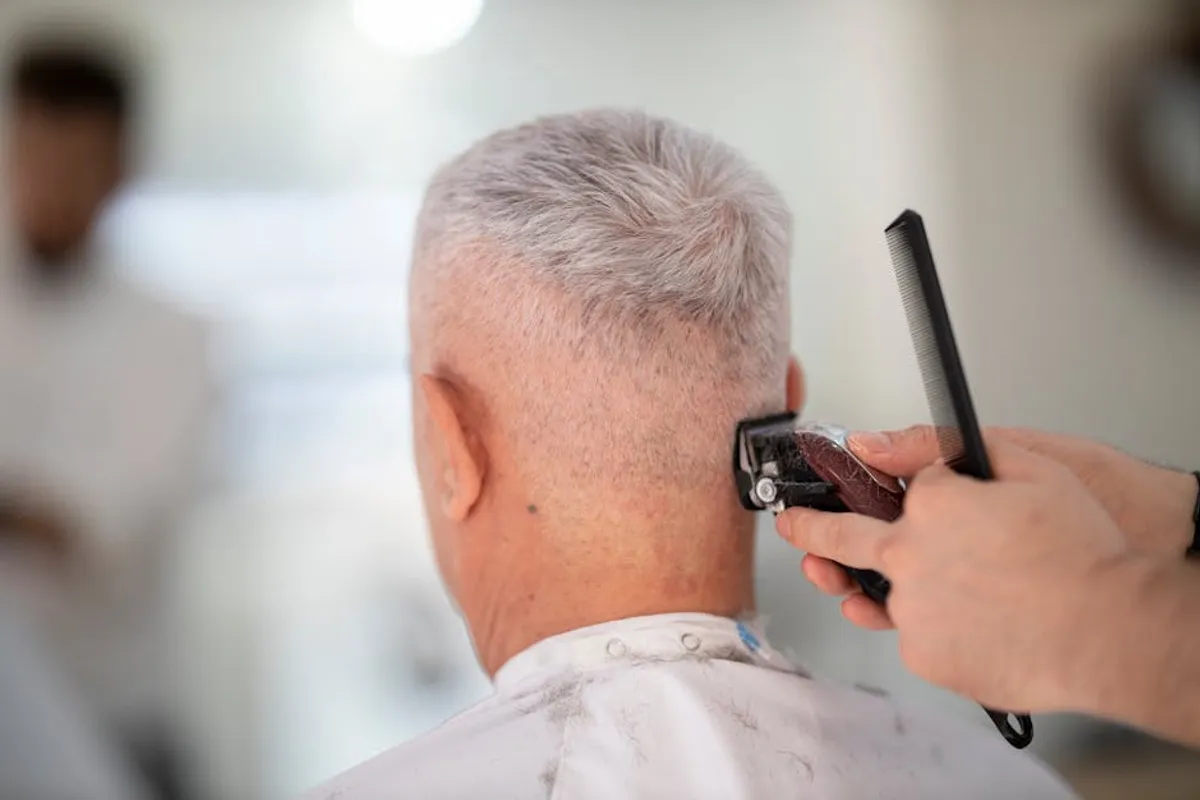
7. The Buzz Cut (or Close Crop)
The buzz cut is an ultra-short, uniform-length haircut achieved with electric clippers. It removes all hair to a very short, consistent length, exposing the scalp. This style is the epitome of low maintenance, projecting an image of boldness, practicality, and minimalist chic. It highlights facial structure and bone definition.
Best for: Individuals with well-defined facial features and a symmetrical head shape. Suitable for all hair types, as texture becomes largely irrelevant at this length. Ideal for those prioritizing extreme ease of care and a striking, confident aesthetic.
Pros:
- The ultimate low-maintenance haircut, requiring virtually no daily styling.
- Extremely quick drying time.
- Projects a strong, confident, and often edgy image.
- Excellent for hot climates or active lifestyles.
- Can be easily maintained at home with clippers.
Cons:
- Offers no styling versatility.
- Requires very frequent maintenance (every 1-3 weeks) to keep the length consistent.
- Exposes the scalp, making scars or irregularities more visible.
- May not be suitable for all professional environments depending on industry norms.
Verdict: The buzz cut is a radical yet highly practical choice for those committed to absolute minimalism and maximum convenience. Its strength lies in its unparalleled ease of care and bold statement, making it a powerful option for specific personal brands.
8. The Undercut Pixie
The undercut pixie features hair that is shaved or cut very short underneath, typically around the nape and sides, while the top section remains longer. This creates a striking contrast between the lengths, allowing the longer top hair to be styled in various ways, revealing or concealing the undercut as desired. It’s a modern, edgy twist on the classic pixie.
Best for: Individuals with medium to thick hair, as the undercut removes bulk. Suitable for most face shapes, with the longer top offering versatility in framing. Ideal for those seeking a contemporary, bold style that combines practicality with a fashion-forward edge.
Pros:
- Adds an edgy, modern dimension to the pixie cut.
- Removes significant bulk, making thick hair more manageable.
- Offers versatility: the undercut can be hidden or showcased.
- Can create the illusion of more volume on top by contrasting with shorter sides.
Cons:
- Requires regular maintenance to keep the undercut clean and sharp.
- Growing out the undercut can be an awkward process.
- May not be suitable for very fine hair, as the contrast could be too stark.
- Can be perceived as too edgy for extremely conservative professional settings.
Verdict: The undercut pixie is a strategic choice for individuals desiring a short cut with an assertive, modern character. Its blend of practicality and distinct styling options makes it a compelling option for those looking to make a statement while maintaining manageability.
9. The Textured Crop
The textured crop is a short haircut characterized by its layered, choppy top section and often faded or tapered sides and back. The emphasis is on creating natural-looking movement and definition on top, giving it a relaxed yet stylish appearance. It's a versatile style that can be dressed up or down, offering a balance of casualness and refinement.
Best for: Individuals with fine to medium hair, as the texture can add volume and body. Suitable for most face shapes, with the ability to customize the length and texture on top to complement features. Ideal for those seeking a modern, low-fuss style with an element of casual sophistication.
Pros:
- Creates natural-looking volume and movement on top.
- Relatively low daily styling effort, often requiring just a small amount of product.
- Versatile enough for both professional and casual settings.
- Can be adapted to various hair textures, enhancing natural waves or creating definition.
Cons:
- Requires regular trims (every 4-6 weeks) to maintain the layered texture and fade.
- May necessitate specific texturizing products to achieve the desired definition.
- Less suitable for very long or round face shapes if the top is too flat.
Verdict: The textured crop is a pragmatic choice for those seeking a contemporary, low-maintenance short style that offers a balance of structure and natural movement. Its adaptability and ease of styling make it a strong contender for everyday wear.
10. The Modern Bowl Cut
The modern bowl cut is a refined interpretation of its classic predecessor, featuring a blunt, rounded perimeter that can fall anywhere from the ear to the chin, often with softer, more textured internal layers. It maintains the distinctive, graphic shape but introduces movement and personalization, moving away from the rigid, helmet-like appearance of older versions. This style offers a bold, fashion-forward statement.
Best for: Oval and heart face shapes. Individuals with straight to slightly wavy hair that can hold a clean, blunt line. Ideal for those who appreciate a distinctive, artistic aesthetic and are comfortable with a strong, graphic silhouette.
Pros:
- Offers a unique, fashion-forward, and artistic aesthetic.
- The blunt perimeter can make fine hair appear thicker.
- Relatively low daily styling effort if hair texture is suitable.
- Can be customized with internal layering for movement.
Cons:
- Requires precise cutting and regular trims to maintain its distinctive shape.
- May not suit very round or square face shapes without careful customization.
- Limited styling versatility beyond its core shape.
- Can appear heavy or unflattering on very thick or curly hair.
Verdict: The modern bowl cut is a bold, deliberate choice for individuals seeking a distinctive and artistic short style. Its strength lies in its graphic impact and ability to project a unique personal brand, provided the wearer embraces its strong lines and commits to regular maintenance.
11. The Asymmetrical Pixie
The asymmetrical pixie features one side significantly longer than the other, often with a deep side part that emphasizes the disparity in length. This cut introduces visual interest and dynamism, breaking away from traditional symmetry. It can range from subtle variations to dramatic differences, offering a personalized and edgy aesthetic.
Best for: Oval, heart, and square face shapes, as the asymmetry can soften angles and add intrigue. Suitable for most hair textures, though straighter hair will best showcase the distinct lines. Ideal for those seeking a modern, unconventional, and high-impact short style.
Pros:
- Creates a striking, modern, and fashion-forward appearance.
- Adds visual interest and can draw attention to specific facial features.
- Offers more versatility than a classic pixie due to varied lengths.
- Can be styled to emphasize volume on the longer side.
Cons:
- Requires regular, precise trims to maintain the asymmetrical balance.
- May require more styling product and effort to define the longer sections.
- Growing out can be challenging due to the uneven lengths.
- Can be perceived as too unconventional for extremely conservative professional environments.
Verdict: The asymmetrical pixie is a strategic choice for individuals who desire a short cut that expresses individuality and a contemporary edge. Its strength lies in its dynamic visual appeal and ability to make a distinct personal statement, balanced by the need for consistent maintenance.
12. The Modern Mullet (Short Version)
The modern mullet, in its short iteration, retains the "business in the front, party in the back" philosophy but with a refined, less extreme execution. It features shorter, often textured layers around the face and crown, transitioning to a noticeably longer (but still short) section at the nape. This style emphasizes texture, disconnection, and a rebellious yet chic sensibility.
Best for: Individuals with wavy or curly hair who want to enhance natural texture. Suitable for most face shapes, as the front layers can be customized. Ideal for those seeking an edgy, fashion-forward style that blends vintage inspiration with contemporary flair.
Pros:
- Offers a unique, edgy, and highly fashionable aesthetic.
- Enhances natural texture and movement, particularly for wavy hair.
- Provides versatility in styling the shorter front and longer back sections.
- Can be customized to varying degrees of length and disconnection.
Cons:
- Requires a skilled stylist to execute the disconnected layers effectively.
- May require specific styling products to define texture and separation.
- Can be perceived as too avant-garde for highly conservative settings.
- Regular trims are necessary to maintain the intended shape and prevent it from becoming shapeless.
Verdict: The short modern mullet is a bold, high-fashion choice for individuals looking to make a distinctive statement with their haircut. Its appeal lies in its intentional disheveled elegance and ability to project a confident, trend-aware image, provided the wearer embraces its unique structure.
Optimizing Your Short Haircut for Daily Life
Choosing the right short haircut is the first step; maintaining and optimizing it for daily wear ensures long-term satisfaction. Invest in quality styling products tailored to your hair type and desired finish—texturizing sprays, light hold creams, or volumizing mousses can significantly enhance a short cut's performance. Develop a consistent trimming schedule with your stylist; short haircuts rely heavily on precision and shape, which degrade quickly with growth. Learn basic styling techniques specific to your cut, whether it's finger-styling a pixie for texture or blow-drying a bob for smoothness. Finally, consider your wardrobe and overall personal style; your haircut should complement your aesthetic, functioning as an integrated component of your daily presentation. A well-chosen and well-maintained short haircut can be a powerful asset in projecting a polished and confident image.
Frequently Asked Questions
Q: How often should I get a short haircut trimmed?
A: Most short haircuts require trimming every 4 to 8 weeks. Pixie cuts and precise bobs often need trims closer to the 4-6 week mark to maintain their sharp lines and shape. Layered or textured cuts might extend to 6-8 weeks, depending on how noticeable growth becomes.
Q: Can short haircuts be versatile?
A: Yes, many short haircuts offer surprising versatility. Styles like the bixie, short shag, or textured crop can be styled in multiple ways—sleek, messy, voluminous, or tucked—using different products and techniques. Even a classic pixie can be altered with a deep side part or by changing the direction of the fringe.
Q: Are short haircuts suitable for all hair types?
A: Almost every hair type can be adapted