Busy professionals often seek hairstyles that blend efficiency with polished presentation. The demands of a fast-paced career necessitate cuts that require minimal styling time, maintain their structure throughout long days, and project an image of competence and sophistication. The ideal short haircut for this demographic is not merely a trend statement; it is a strategic asset, reducing daily preparation overhead while consistently delivering a sharp, professional aesthetic. This guide examines several short haircut styles, evaluating each based on its practical implications for time-conscious individuals in professional environments, focusing on factors like maintenance, versatility, and overall impact. Beyond these specific styles, exploring other short haircut ideas can offer further inspiration for achieving that perfect balance of style and practicality.
Key Considerations for Professional Short Haircuts
When selecting a short haircut for a demanding professional schedule, several factors warrant careful assessment beyond aesthetic appeal. The primary objective is to minimize daily effort while maximizing a polished appearance. Consider your hair type: fine hair benefits from cuts that add volume and structure, while thick hair may require strategic layering to reduce bulk and maintain shape. Face shape also influences the most flattering silhouette, with certain cuts enhancing features or balancing proportions. More critically, evaluate the required styling time. A truly effective professional cut should allow for quick, consistent results with minimal product or heat styling. Finally, consider the versatility of the style – can it be easily adapted for formal meetings, casual networking events, or even an evening out, without extensive restyling? The most successful choices offer inherent structure and adaptability.
1. The Classic Pixie Cut
The classic pixie cut is defined by its short back and sides, with slightly longer hair on top, often styled forward or to the side. Its structure is inherently clean and sharp, making it a perennial favorite for professionals seeking a low-maintenance, high-impact look. This style emphasizes facial features and necklines, conveying confidence and precision. The key to its professional appeal lies in its defined shape and minimal need for extensive styling, allowing for a polished appearance with just a few minutes of effort.
Best for: Professionals prioritizing extreme time-efficiency and a bold, modern aesthetic. Ideal for those with fine to medium hair textures that hold shape well.
Pros:
- Requires minimal daily styling time, often just a quick product application.
- Maintains a clean, structured appearance throughout the day.
- Projects a strong, confident, and contemporary professional image.
- Excellent for warmer climates or active lifestyles due to reduced hair volume.
Cons:
- Demands frequent trims (every 3-5 weeks) to maintain its precise shape.
- Limited styling versatility compared to longer cuts.
- Can be challenging to grow out gracefully without awkward stages.
Verdict: An assertive choice for the busy professional, offering unparalleled ease and a distinctive, polished look, provided regular salon visits are factored into the schedule.
2. The Graduated Bob
The graduated bob features a stacked, layered back that creates volume and a rounded shape, gradually lengthening towards the front. This technique builds structure into the cut itself, reducing the need for extensive styling to achieve body. The precise lines and controlled volume make it an excellent option for a professional environment, offering a sophisticated silhouette that appears consistently well-maintained.
Best for: Professionals seeking a structured, voluminous look with inherent shape. Particularly effective for those with medium to thick hair that benefits from layering to manage bulk.
Pros:
- Built-in volume and shape reduce daily styling effort.
- Looks polished and sophisticated with minimal product.
- Offers a professional appearance that transitions well from office to evening.
- Manages thicker hair effectively by removing weight at the nape.
Cons:
- Requires skilled cutting to achieve the precise graduation and stacking.
- Trims are necessary every 4-6 weeks to preserve the distinct shape.
- May not suit very fine hair, as the stacking can appear sparse without sufficient density.
Verdict: A highly professional and stylish option that provides lasting shape and volume, making it a reliable choice for busy schedules, contingent on expert cutting.
3. The Classic Chin-Length Bob
The classic chin-length bob is a timeless, single-length cut that falls uniformly around the chin. Its simplicity is its strength, offering a clean, sharp line that frames the face with understated elegance. This style is inherently professional due to its neat perimeter and ability to look polished with minimal fuss, making it a staple for those who value tradition and efficiency.
Best for: Professionals who prefer a straightforward, elegant, and perpetually neat appearance. Suitable for most hair types, particularly those seeking a defined, sleek look.
Pros:
- Easy to style for a sleek finish with minimal heat.
- Versatile enough to be worn straight, with a slight wave, or tucked behind the ears.
- Projects a refined and classic professional image.
- Less frequent trims needed than more layered or very short styles (6-8 weeks).
Cons:
- Can appear heavy on very thick hair without subtle internal layering.
- May require more frequent washing if hair tends to get oily quickly, as it sits close to the face.
- Less volume than a graduated bob, which might not suit all preferences.
Verdict: A dependable, elegant choice for the professional seeking a low-fuss yet consistently polished look that transcends trends.
4. The Textured Crop
The textured crop is a short, layered cut with a slightly longer top section that is often styled with forward-swept texture. It’s a modern take on very short hair, offering more softness and movement than a traditional pixie while maintaining a neat, professional perimeter. The texture adds dimension without requiring extensive styling, making it practical for busy individuals.
Best for: Professionals desiring a contemporary, slightly softer short cut with minimal styling commitment. Works well with various hair textures, especially those that benefit from added movement.
Pros:
- Offers a modern, stylish edge while remaining professional.
- The inherent texture reduces the need for precise styling.
- Very low maintenance for daily wear.
- Can be styled quickly with a small amount of texturizing product.
Cons:
- Requires regular trims (every 4-6 weeks) to maintain the layered shape.
- May not suit very formal or conservative professional environments without careful styling.
- Limited options for updos or tying back hair.
Verdict: A dynamic and practical option for the professional who wants a contemporary look that is both easy to manage and visually interesting.
5. The Lob (Long Bob)
The lob, or long bob, extends past the chin, often resting around the collarbone. This length offers the structured elegance of a bob with increased versatility and a slightly softer, more approachable aesthetic. Its professional appeal stems from its clean lines and the ability to be styled sleek or with gentle waves, accommodating diverse professional settings without significant effort.
Best for: Professionals seeking the benefits of shorter hair (manageability, style) without committing to a very short cut. Excellent for those transitioning to shorter styles or who prefer the option of tying hair back.
Pros:
- Offers more styling versatility than shorter bobs (e.g., half-up styles, low ponytails).
- Maintains a professional and polished appearance with ease.
- Less frequent trims required (8-10 weeks) due to the longer length.
- Flattering for a wide range of face shapes and hair types.
Cons:
- Still requires some styling to prevent it from looking shapeless, especially if layered.
- Can feel less "short" than other options, which might not meet the primary goal of very low maintenance.
- May require more product to maintain sleekness or wave definition.
Verdict: A highly adaptable and universally flattering choice for the professional who values flexibility and a sophisticated, yet easy-to-manage, mid-length cut.
6. The French Bob
The French bob is a shorter, often blunt bob cut typically above the chin, sometimes paired with short, soft fringe. It embodies effortless chic and a distinct European elegance. The style’s professional utility comes from its inherent structure and ability to look polished with minimal intervention, often requiring just air-drying and a touch of product to achieve its signature nonchalant sophistication.
Best for: Professionals seeking a fashion-forward yet timeless short cut with an air of understated elegance. Ideal for those with straight to wavy hair that naturally falls into shape.
Pros:
- Exudes a sophisticated and modern professional image.
- Often requires very little heat styling, promoting hair health.
- The bluntness provides a strong, clean line that is inherently neat.
- Can be particularly striking with natural texture.
Cons:
- Demands regular trims (every 4-6 weeks) to maintain its precise length and shape.
- The fringe component requires specific styling or can be high-maintenance if it doesn't fall naturally.
- May not suit very round or square face shapes without careful customization.
Verdict: A distinctive and chic option for the professional who appreciates an elegant, low-fuss style that makes a subtle yet impactful statement.
7. The Asymmetrical Bob
The asymmetrical bob features one side cut noticeably shorter than the other, creating a dynamic and modern silhouette. This style introduces an element of contemporary edge while maintaining the clean lines and polished finish characteristic of a bob. Its professional suitability lies in its strong visual interest balanced with a structured, intentional cut that avoids appearing unkempt.
Best for: Professionals looking for a modern, artistic twist on a classic style. Best suited for those with a confident personal style and hair that responds well to sleek or soft styling.
Pros:
- Offers a unique and fashion-forward professional aesthetic.
- Can be highly flattering by drawing attention to specific facial features.
- Maintains the manageability of a bob while offering visual distinction.
- Works well for creating volume on one side.
Cons:
- Requires precise cutting and regular maintenance (every 4-6 weeks) to preserve the asymmetry.
- May not be appropriate for extremely conservative professional environments.
- Styling can be slightly more involved to ensure the asymmetry is pronounced and polished.
Verdict: A striking and contemporary choice for the professional who wants to convey creativity and confidence within a structured, well-maintained framework.
8. The Bixie (Pixie-Bob Hybrid)
The bixie combines the short, layered back of a pixie with the longer, face-framing sections of a bob. This hybrid style offers the lightness and ease of a pixie around the nape and ears, while providing more length and versatility around the face and crown. It's an excellent compromise for professionals who desire the low maintenance of a pixie but prefer a softer outline and more styling options than a traditional short cut.
Best for: Professionals seeking a balance between the extreme shortness of a pixie and the classic lines of a bob. Ideal for those who want volume and movement without excessive length.
Pros:
- Offers more styling versatility around the face than a pure pixie.
- Provides volume and texture with less daily effort than a full bob.
- Maintains a modern and chic professional appearance.
- Easier to grow out than a very short pixie.
Cons:
- Requires skilled layering to achieve the desired hybrid effect.
- Trims are still necessary every 5-7 weeks to maintain the shape and blend.
- Can sometimes look undefined if not styled with a light hand.
Verdict: A versatile and stylish option for the professional seeking a low-maintenance cut that offers both structure and a soft, adaptable aesthetic.
9. The Side-Swept Pixie
The side-swept pixie is a variation of the classic pixie cut where the top section is left longer and styled to sweep dramatically to one side, often creating a soft fringe effect over the forehead. This style adds an element of sophistication and softness to the boldness of a pixie, making it highly adaptable for professional settings. The longer top allows for more styling flexibility, from sleek and refined to slightly textured.
Best for: Professionals who want a very short, impactful cut but desire a softer, more adaptable facial frame. Works well with various hair textures that can hold a side-swept shape.
Pros:
- Combines the low maintenance of a pixie with enhanced styling versatility.
- The side-swept fringe can soften facial features and add elegance.
- Projects a confident, yet approachable, professional image.
- Quick to style for a polished finish.
Cons:
- Requires consistent trims (every 4-6 weeks) to maintain the length difference and overall shape.
- The longer top section may require more product to hold its sweep throughout the day.
- Limited options for tying back hair.
Verdict: An elegant and practical choice for the professional seeking a short cut that offers both edge and softness, with efficient styling for a consistently polished look.
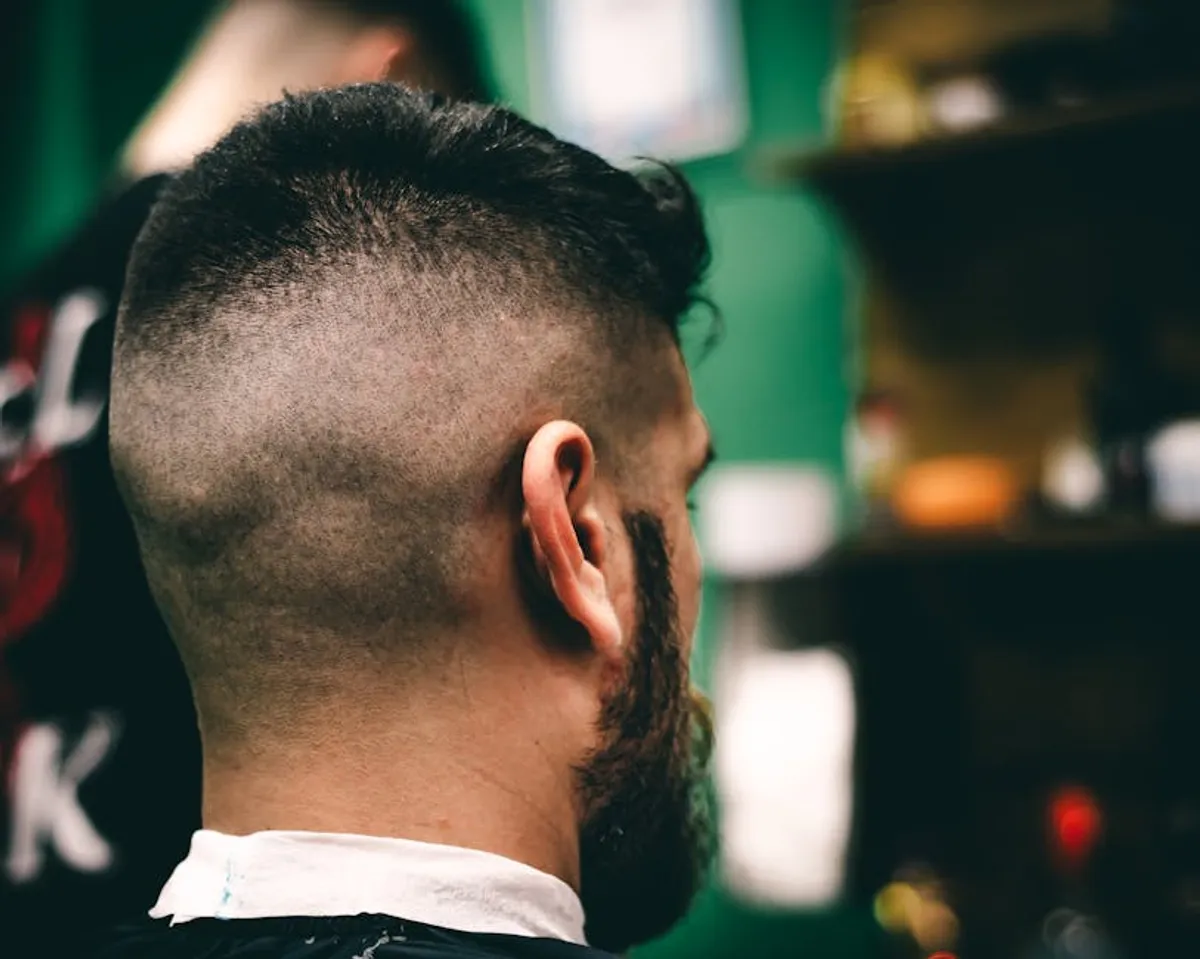
10. The Buzz Cut (Feminine Adaptation)
A buzz cut, when adapted for a professional context, typically involves a very short, uniform length all over, often with a slightly longer top or faded sides for a softer, more intentional look. This is the ultimate in low-maintenance and makes an unequivocal statement of confidence and practicality. Its professional suitability hinges on its extreme neatness and the deliberate choice it represents, conveying a no-nonsense, focused demeanor.
Best for: Professionals who prioritize absolute minimal maintenance and project an exceptionally bold, confident, and unconventional image. Requires a strong sense of personal style.
Pros:
- Zero daily styling time; simply wash and go.
- Unparalleled in terms of ease and convenience for busy schedules.
- Projects an extremely powerful and assertive professional image.
- Excellent for very hot climates or individuals with highly active lifestyles.
Cons:
- Requires very frequent self-trimming or barber visits (every 1-3 weeks) to maintain precise length.
- Not suitable for all face shapes or professional environments, particularly very conservative ones.
- Offers no styling versatility beyond its inherent shape.
- Can be a significant commitment and challenging to grow out.
Verdict: A radical yet supremely practical choice for the professional who embraces extreme minimalism and a distinctive, powerful personal brand, provided the work environment is amenable.
11. The Inverted Bob
The inverted bob is characterized by a shorter back that angles sharply down to longer front sections, often with a subtle stacking or layering at the nape to create volume. This creates a dramatic, forward-leaning silhouette that is both modern and highly structured. Its professional appeal lies in its sharp lines and the illusion of sleekness and volume, all while maintaining a manageable length.
Best for: Professionals seeking a dynamic, contemporary look with built-in volume and a strong, defined shape. Particularly good for those with straight to wavy hair that benefits from a forward-angled cut.
Pros:
- Offers a modern, sophisticated professional aesthetic.
- The angled cut creates natural volume and movement.
- Looks polished and intentional with minimal styling.
- Manages thicker hair well by removing weight at the back.
Cons:
- Requires skilled cutting to achieve the precise angle and stacking.
- Demands regular trims (every 4-6 weeks) to maintain the distinct inverted shape.
- Can sometimes appear severe if the angle is too extreme for the face shape.
Verdict: A sharp and stylish option for the professional who wants a modern, structured cut that delivers consistent polish and a strong visual statement.
12. The Shag (Short Version)
A short shag cut is defined by its abundant layers, texture, and often a fringe, creating a deliberately disheveled yet chic look. When adapted for professionals, the layers are kept neat and the overall length is typically above the collarbone, ensuring it doesn't appear unruly. This style offers inherent movement and volume, making it easy to style for a relaxed yet put-together professional appearance with minimal effort.
Best for: Professionals who prefer a softer, more textured look that still maintains a polished edge. Excellent for those with natural waves or curls that benefit from layering to enhance texture.
Pros:
- Emphasizes natural texture and volume, reducing heat styling needs.
- Offers a modern, effortlessly cool professional vibe.
- Very forgiving for daily styling; often looks best with minimal intervention.
- Can be adapted with a longer fringe for versatility.
Cons:
- Requires a stylist skilled in layering to achieve the correct balance and shape.
- May require specific texturizing products to enhance its signature look.
- Can appear less formal than blunt cuts, potentially unsuitable for highly conservative settings.
- Regular trims (6-8 weeks) are needed to refresh layers and prevent it from looking grown out.
Verdict: A dynamic and adaptable choice for the professional who desires a textured, low-maintenance cut that projects a contemporary and approachable confidence.
Selecting Your Ideal Professional Cut and Stylist
Choosing the right short haircut for a busy professional involves more than just selecting a style from a list; it requires a thoughtful assessment of your lifestyle, hair characteristics, and career demands. The "best" cut is one that complements your face shape, works with your natural hair texture, and most importantly, minimizes the time and effort required to look consistently polished. Prioritize styles that have inherent structure and require minimal product or heat. Consider how often you are willing to visit a salon for maintenance trims, as very short or highly structured cuts demand more frequent attention.
Finding a skilled stylist is paramount. Look for professionals with extensive experience in cutting short hair and a portfolio demonstrating precision and an understanding of diverse hair types. A thorough consultation should involve discussing your daily routine, styling preferences, and professional environment. A good stylist will not only recommend a cut but also provide practical advice on at-home styling techniques and product recommendations tailored to your specific hair and chosen style. Do not hesitate to ask for styling demonstrations or product suggestions that reduce your daily preparation time. The goal is a haircut that serves as a reliable, effortless foundation for your professional image.
Frequently Asked Questions About Professional Short Haircuts
Q: How often should I get a trim for a short professional haircut?
A: Most short haircuts require trims every 3-8 weeks to maintain their shape and prevent them from looking overgrown. Pixie cuts and highly structured bobs typically need more frequent trims (3-6 weeks), while longer bobs (lobs) can often go 8-10 weeks.
Q: Can short hair look professional in a conservative workplace?
A: Absolutely. Many short styles, such as classic bobs, graduated bobs, and sleek pixies, are inherently professional due to their clean lines and structured appearance. The key is a well-maintained cut and polished styling, avoiding overly casual or extreme variations.
Q: What are the best short haircuts for fine hair in a professional setting?
A: For fine hair, cuts that add volume and structure are ideal. Graduated bobs, textured crops, and layered pixies can create the illusion of fullness and body. Blunt cuts, like a classic chin-length bob, can also make fine hair appear thicker by creating a solid perimeter.
Q: How can I minimize styling time for a short professional haircut?
A: Choose a cut with inherent structure that works with your natural hair texture. Air-drying-friendly styles, strategic layering, and minimal product use are key. Consult your stylist for specific techniques and product recommendations that reduce daily effort while maintaining a polished look.
Q: Are short haircuts versatile enough for both professional and social events?
A: Many short haircuts offer surprising versatility. A sleek bob can be softened with texture for an evening out, and a side-swept pixie can be styled with a little more volume for a social gathering. The key is to select a style that has adaptable elements and to learn a few quick styling tricks.