The quiet-luxury conversation got loud at the wrong time and is now being mocked by the same people who originally pushed it. Some of the mockery is earned — the marketing version of the idea is being applied to a great deal of merchandise that does not actually deserve the label. But the underlying thesis is sound, and the women who have been quietly running their wardrobes on this logic for decades have been right about something that the trend cycle is now belatedly catching up to.
The thesis can be expressed as a calculation. A smart closet contains a small number of better pieces that get worn frequently over many years. A trend-driven closet contains a larger number of cheaper pieces that get worn occasionally over one or two seasons. The smart closet costs less over five years. Here is the math.
1. The cost-per-wear calculation, done honestly
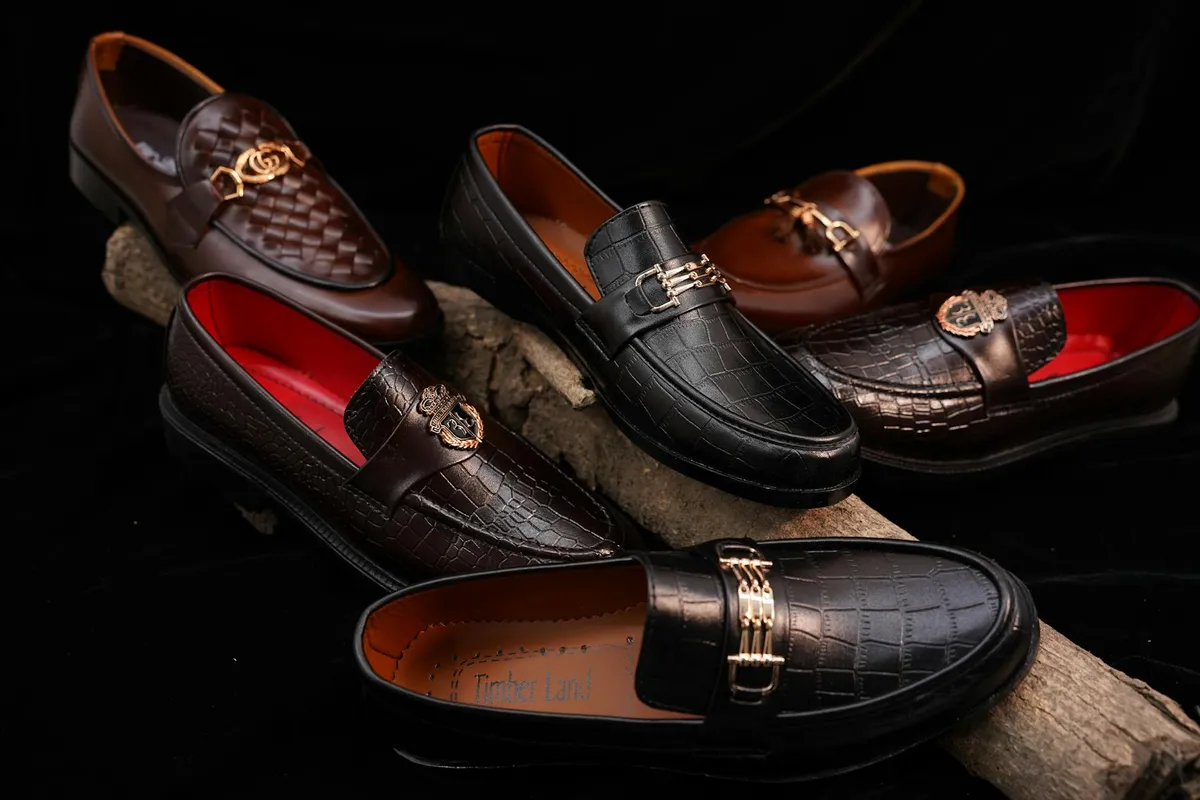
The $40 sneaker is purchased on the assumption that it will be worn for a season and replaced. In practice it is worn perhaps thirty times before the trend cycles, the materials degrade, or the shape no longer reads current. The cost per wear is approximately a dollar thirty. The $400 loafer, in the right shape and the right leather, is worn approximately three hundred times over five years and resoled twice. The all-in cost is approximately $500 across resolings. The cost per wear is approximately a dollar sixty-five.
The cost per wear is roughly equivalent. The wardrobe value is not. The $400 loafer is in the closet for the next outfit. The $40 sneaker has been thrown away and replaced four times. The cumulative environmental cost of the cheaper option is also higher by every measure that matters, but the financial calculation alone makes the case.
2. The closet-density problem
The second piece of the math is closet density. A closet full of pieces that each get worn occasionally produces decision fatigue, storage problems, and a constant low-level dissatisfaction because the closet is full but the outfit options feel limited. A closet full of pieces that each get worn weekly produces the opposite — the closet feels smaller and the options feel larger. The math of fewer-better is partly financial and partly about the cognitive overhead of a wardrobe that is doing too many things.
3. The pieces where the math actually works
The quiet-luxury logic does not apply uniformly. Some categories reward the better-version spending. Some do not. The categories where the spending works are the ones where the construction matters and where the piece gets worn at high frequency.
Outerwear is the clearest case. A well-cut wool coat from a serious maker is worn five days a week for five months a year for ten years. The better-version spending is amortized over hundreds of wearings and the piece holds its line and its appearance over that period. The cheaper version develops fit problems, pilling, and lining damage within the first season.
Shoes are the second-clearest case. The loafer math above applies similarly to a good leather pump, a substantial boot, and a sneaker from a serious house in real leather rather than synthetics. The construction differences are not marketing claims — they show up in how the shoe wears and in how long it remains presentable.
Bags, in the specific case of a single all-purpose daily bag, are the third category. Not status bags. Functional everyday bags in real leather with serious hardware. The piece is touched and used constantly, and the better construction shows in the third year when the cheaper version has fallen apart and the better one is barely showing wear.
4. The pieces where the math does not work
The categories where the math does not work are the ones being aggressively pushed under the quiet-luxury label and are mostly nonsense. A $400 plain white t-shirt is not actually better than a $30 plain white t-shirt from a maker with reasonable manufacturing standards. The construction differences are minor and the fabric will wash out and develop wear at approximately the same rate. The status signaling is the actual product, and women who are running their wardrobes on actual quiet-luxury logic recognize this and ignore the category.
Similarly, most trend-driven pieces are bad investments at any price point because the cost per wear depends on the piece reading current for years, and trend pieces by definition stop reading current. The smart closet largely avoids the entire category — trend pieces enter only at the price point where their disposability is built into the spending.
5. The actual closet composition the math produces
The closet that results from the quiet-luxury math is smaller than the average closet by perhaps thirty to fifty percent. It contains fewer than ten pairs of shoes, two coats, a handful of well-made trousers and skirts, an equivalent number of considered tops, and the trend-driven accessories and seasonal pieces in a small auxiliary category at price points that match their expected wear duration.
The aesthetic of the closet reads quiet not because quiet is a style but because the pieces are doing the styling work through cut and fabric rather than through ornament. The wardrobe photographs well, dresses well across contexts, and requires less time and decision energy per outfit than the alternative. The women who run their closets this way have been doing so for decades and have been quietly correct the entire time.
What the broader conversation is missing
The quiet-luxury label is being applied to a great deal of merchandise that does not deserve it and is being mocked accordingly. The underlying logic is sound. The math works. The closet that results is genuinely better than the alternative on every measure that matters — financial, environmental, aesthetic, and cognitive. The fact that the marketing version of the idea is being oversold does not change the underlying validity of the spending pattern. The women who already understood this understood it because they were doing the math. The women who are now adopting it through trend-cycling will mostly drop it when the next trend cycles in. The ones who stay are the ones who actually internalized the math, which is the whole point.