The "quiet luxury" trend, prominently showcased by celebrities, defines a sartorial approach centered on understated elegance, premium materials, and impeccable craftsmanship, rather than overt branding or flashy statements. It's a deliberate shift towards investment pieces that convey sophistication through quality and timeless design. For those looking to integrate this aesthetic, understanding its core principles and identifying key wardrobe components is essential. This guide outlines how to adopt the quiet luxury ethos, drawing inspiration from public figures who embody this refined style without relying on visible logos.
Decoding the Aesthetic: Core Principles of Quiet Luxury
The Fabric-First Approach: Material Selection
The foundation of quiet luxury rests on superior textiles. Celebrities embracing this trend prioritize natural fibers that offer luxurious hand-feel, durability, and a refined drape. Look for garments crafted from:
- Cashmere: Known for its softness and warmth, a well-fitting cashmere sweater or coat is a cornerstone. Its subtle sheen and comfortable weight signal quality without effort.
- Merino Wool: Versatile and breathable, fine merino wool appears in tailored trousers, knitwear, and blazers. It resists wrinkles and maintains its shape, contributing to a polished appearance throughout the day.
- Silk: Silk blouses, slips, and linings add a touch of sensuality and fluidity. Its natural luster elevates any ensemble, particularly in neutral tones.
- Linen: For warmer climates, high-quality linen offers a relaxed yet refined texture. Its natural creasing is part of its charm, suggesting an effortless, lived-in elegance.
- High-Quality Cotton: Pima or Egyptian cotton in crisp shirting and well-structured denim provides a clean, breathable base. The emphasis is on dense weaves and smooth finishes.
The choice of material dictates how a garment looks, feels, and endures, making it a primary indicator of quiet luxury.
Understated Color Palettes: The Power of Neutrals
The quiet luxury aesthetic largely adheres to a restrained color palette. This choice contributes to versatility, allowing pieces to be mixed and matched effortlessly, and prevents any single item from dominating an outfit. Preferred shades include:
- Beige and Cream: These warm, soft neutrals offer a sophisticated alternative to stark white, creating an approachable yet polished look.
- Navy and Charcoal Grey: Deeper neutrals provide a strong foundation for tailoring and outerwear, conveying authority and timelessness without the starkness of black.
- Black and White: Classic and clean, these remain essential for their crisp contrast and inherent elegance, particularly in structured pieces or as foundational layers.
- Olive and Muted Earth Tones: Subtly introducing colors like olive green, camel, or deep brown adds dimension while maintaining the overall subdued feel.
The focus is on rich, deep dyes and tonal dressing, where variations of a single color add depth.
Impeccable Tailoring and Silhouette: Fit is Paramount
A hallmark of quiet luxury is the precise fit and clean silhouette of garments. Clothes are not necessarily tight but are cut to flatter the body without being restrictive. Key aspects include:
- Structured but Fluid: Blazers and coats often feature defined shoulders and clean lines, while trousers and dresses may offer a more relaxed, flowing fit that still maintains shape.
- Clean Lines: Minimal embellishment, visible stitching, or unnecessary hardware ensures that the garment's form and fabric are the focal points.
- Proportionality: Outfits are balanced, with attention paid to how each piece interacts with the body's natural proportions. This often means investing in alterations to achieve a truly custom fit.
The goal is a silhouette that looks intentional and well-considered, rather than trend-driven.
Key Pieces for a Quiet Luxury Wardrobe
Building a quiet luxury wardrobe involves curating a selection of versatile, high-quality staples that can be combined in numerous ways:
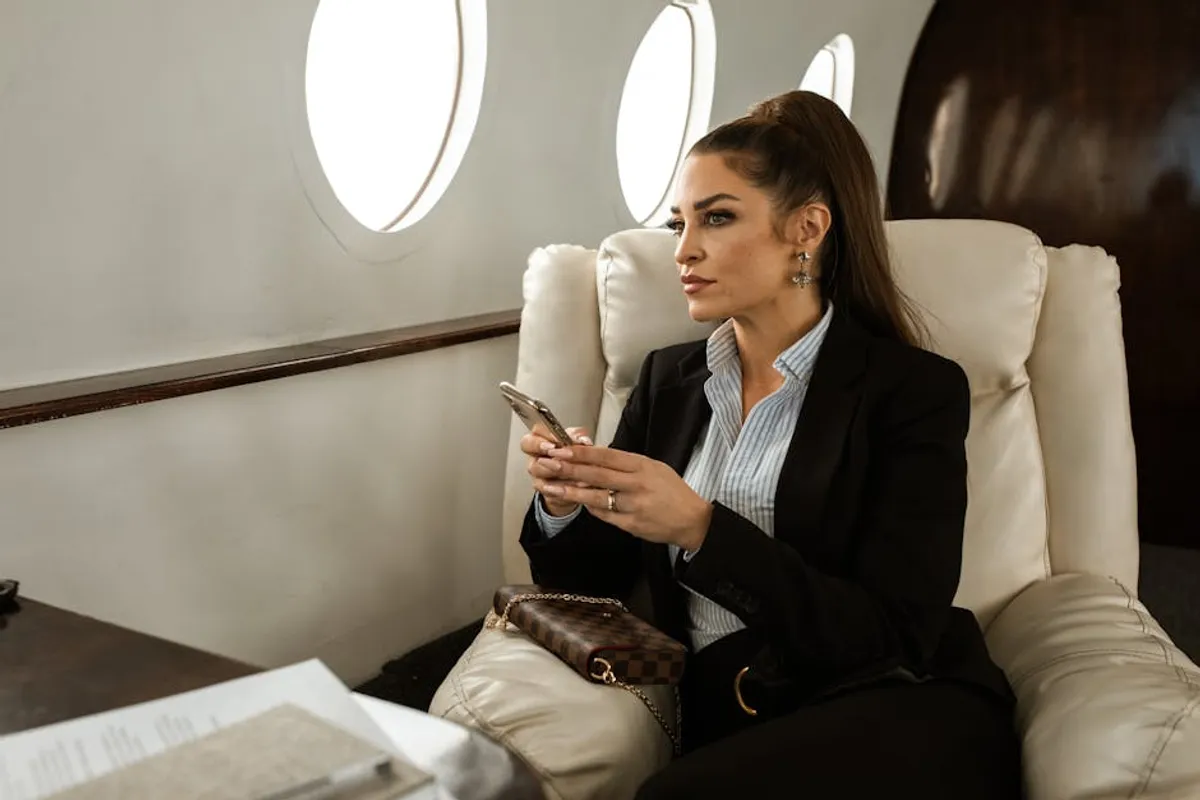
- The Tailored Blazer: A single-breasted or double-breasted blazer in wool or a wool blend, in a neutral color like navy, grey, or camel. It should fit perfectly across the shoulders and have a flattering drape.
- Cashmere Sweater: A crewneck or V-neck cashmere sweater in a fine gauge, ideal for layering or wearing on its own.
- Wide-Leg or Straight-Leg Trousers: Made from wool, silk, or a substantial cotton blend, these offer a sophisticated alternative to skinny styles, providing comfort and elegance.
- Silk Blouse or Shirt: A classic button-down or a fluid blouse in silk or a high-quality viscose, in white, cream, or a soft pastel.
- The Classic Trench Coat: A well-constructed trench in cotton gabardine, offering both functionality and timeless style.
- Leather Loafers or Pumps: High-quality leather footwear in classic designs, focusing on comfort and craftsmanship.
- Structured Handbag: A minimalist leather bag with clean lines and minimal hardware, emphasizing material quality over logos.
Accessorizing with Intent: The Subtle Statement
Accessories in quiet luxury serve to complement an outfit, not to overshadow it. The emphasis is on quality, craftsmanship, and discretion.
Pro Tip: Avoid overt branding. The essence of quiet luxury is that the quality and design speak for themselves, without relying on visible logos or monograms to convey value. Choose pieces where the material and construction are the primary indicators of luxury.
Consider:
- Fine Jewelry: Delicate gold or silver pieces, simple studs, a classic watch, or a single meaningful necklace. These are chosen for their intrinsic value and enduring design.
- Leather Goods: Belts, wallets, and bags should be crafted from high-grade leather with subtle hardware. Their longevity and tactile quality are key.
- Scarves: Silk or cashmere scarves in solid colors or subtle patterns add a touch of refinement and can be styled in various ways.
- Eyewear: Classic frame shapes in quality acetate or metal, chosen for their fit and understated design.
Celebrity Inspiration: Translating Looks to Your Wardrobe
While specific celebrity outfits evolve, the underlying principles of their quiet luxury choices remain consistent. Observe public figures who favor:
- The Polished Daytime Ensemble: Often involving a perfectly tailored blazer over a silk camisole or fine-gauge knit, paired with wide-leg trousers and classic leather pumps. The look is cohesive, comfortable, and suitable for diverse professional or casual settings.
- The Elevated Casual Look: This might feature a crisp white cotton shirt, half-tucked into well-fitting denim or linen trousers, paired with a cashmere cardigan and minimalist sneakers or loafers. The choice of premium fabrics instantly elevates casual staples.
- The Refined Evening Attire: Instead of elaborate gowns, celebrities often opt for a silk slip dress under a tailored wool coat, or a perfectly cut black jumpsuit. The focus is on the garment's silhouette and the luxurious feel of the fabric, often in deep, rich tones.
The key is to identify the elements of quality, fit, and timelessness in their choices, rather than replicating an exact outfit. Focus on how pieces are combined to create a sense of effortless sophistication.
Adopting the Aesthetic: Practical Steps for Your Style
Integrating quiet luxury into your personal style requires a shift in mindset towards mindful consumption and investment in quality. Begin by assessing your current wardrobe for foundational pieces that align with the aesthetic. Prioritize purchasing versatile items in neutral colors and natural fibers. Focus on fit, opting for tailoring when necessary to ensure garments drape correctly. Build your wardrobe incrementally, choosing fewer, better-made items over numerous trend-driven pieces. This approach not only cultivates a more sophisticated personal style but also promotes sustainability through longevity.
Frequently Asked Questions About Quiet Luxury
Is quiet luxury inherently expensive?
While quiet luxury often involves higher-quality materials and craftsmanship, implying a higher price point, the core principle is about investment in lasting pieces rather than chasing fleeting trends. It prioritizes value through durability and timelessness, which can be more cost-effective over time than frequent purchases of lower-quality items.
How does quiet luxury differ from minimalism?
Quiet luxury shares minimalism's appreciation for clean lines and a restrained aesthetic, but it places a stronger emphasis on the inherent quality and luxurious feel of materials. Minimalism can sometimes prioritize simplicity and function above all else, while quiet luxury always includes an element of opulent comfort and refined elegance through fabric and cut.
Can quiet luxury incorporate color?
Yes, but typically in a very considered and subdued manner. Instead of bright, saturated hues, quiet luxury often features muted tones, deep jewel tones, or rich earthy shades. When color is used, it's often as a singular accent piece or within a tonal ensemble, maintaining the overall sophisticated and understated feel.
What is the role of logos in quiet luxury?
Logos are generally absent or extremely subtle in quiet luxury. The philosophy dictates that the garment's quality, design, and fit should speak for themselves, without the need for overt branding. The value is intrinsic to the item, not emblazoned on its surface.