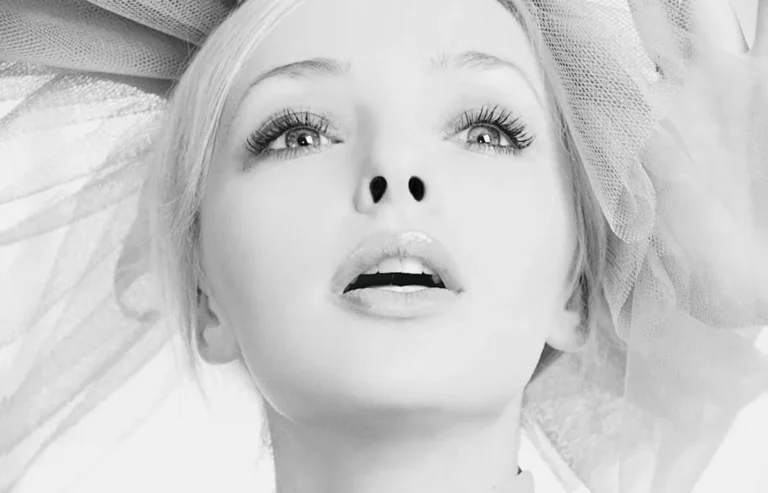
Margot Robbie's ascent in Hollywood provides a case study in strategic personal branding, particularly evident in her early red carpet appearances and subsequent style evolution. For marketers, publishers, and brand strategists, observing how a public figure navigates their image from emerging talent to established star offers insights into audience perception, narrative control, and the commercial impact of visual identity. Her initial choices, often characterized by youthful exuberance, gradually refined into a sophisticated, yet adaptable, aesthetic that solidified her status as a fashion and cultural influencer. This trajectory demonstrates the deliberate crafting of a public persona, where every sartorial decision contributes to a broader, long-term brand narrative.
The Foundation: Early Red Carpet Signatures (2008-2013)
Before her breakout role in The Wolf of Wall Street, Robbie's red carpet presence was marked by an experimental yet accessible approach. Her style during this period, largely influenced by her role on the Australian soap opera Neighbours and initial forays into American television, often featured designs that balanced youthful trends with a burgeoning desire for elegance.
Color Palettes and Silhouettes
In her early years, Robbie frequently gravitated towards brighter, bolder colors and softer pastels, often in solid hues rather than complex patterns. Examples include vibrant blues, corals, and soft pinks. Silhouettes tended to be body-conscious or classic A-line dresses, reflecting contemporary trends for younger actresses. These choices projected an approachable, energetic image, aligning with her 'girl-next-door' appeal from Neighbours.
- Favored early colors: Cobalt blue, coral, blush pink, ivory.
- Common silhouettes: Strapless bodycon, fitted sheath dresses, empire waist gowns.
- Fabric preferences: Satin, jersey, light silk, often with minimal embellishment.
Hair, Makeup, and Accessories
Her beauty choices in this era were typically understated. Hair was often worn down in loose waves or simple updos, complementing her natural blonde color. Makeup emphasized fresh skin, defined brows, and subtle eye makeup, with an occasional pop of color on the lips. Accessories were generally minimal, focusing on delicate jewelry rather than statement pieces, which kept the overall look clean and allowed her natural beauty to take precedence. This simplicity ensured that her image remained relatable and not overtly styled, a crucial element for an actress building a foundational connection with a broad audience.
Transitional Moments and Strategic Refinement (2013-2016)
The release of The Wolf of Wall Street in 2013 marked a significant turning point, not just in Robbie's career but also in her public image. This period saw a noticeable shift towards more polished, high-fashion choices, reflecting her new status as a leading Hollywood actress. The transition was gradual, demonstrating a thoughtful evolution rather than an abrupt rebranding.
Embracing High Fashion and Designer Collaborations
Post-Wolf of Wall Street, Robbie began collaborating with high-profile stylists and designers. Her red carpet choices became more sophisticated, incorporating intricate details, luxurious fabrics, and architectural silhouettes. She started experimenting with darker, more dramatic color palettes like black, deep emerald, and burgundy, alongside classic white and metallic tones. This period also saw her embrace more complex hair styles, from sleek bobs to elaborate braided updos, and more dramatic makeup looks, often featuring a smoky eye or a bolder lip. This strategic shift signaled her readiness for more mature roles and cemented her position within the fashion elite.
Pro Tip for Brand Builders: An authentic style evolution is more impactful than a sudden, forced rebrand. Audiences respond to perceived growth and consistency. For public figures, this means allowing their personal brand to mature organically with their career, rather than making abrupt shifts that can alienate existing followers or appear inauthentic.
Key Style Evolution Markers
The refinement was evident in several ways:
- Designer Affiliations: Increased visibility in Chanel, Saint Laurent, and Dior.
- Tailoring: A move from off-the-rack to custom-fitted gowns, ensuring impeccable fit and presentation.
- Confidence in Experimentation: Willingness to try more avant-garde or challenging looks, such as structured jumpsuits or gowns with unconventional cut-outs, demonstrating growing confidence in her fashion choices.
- Narrative Alignment: Her style began to subtly reflect the tone of her film projects, showcasing versatility and an understanding of thematic presentation.
The Impact of Style on Public Persona
Margot Robbie's early style evolution offers a clear illustration of how visual identity contributes to a public figure's overall brand. Her deliberate progression from a fresh-faced ingénue to a sophisticated leading lady was not merely about fashion; it was a strategic component of her career trajectory. Each red carpet appearance served as an opportunity to reinforce her evolving professional narrative, signaling her adaptability, seriousness as an actress, and growing influence. For any brand, understanding this interplay between visual presentation and public perception is critical for sustained relevance and audience engagement.
Cultivating a Lasting Image
Margot Robbie's early red carpet journey underscores the importance of a well-managed public image. Her evolution from accessible glamour to high-fashion sophistication was a calculated, yet authentic, process that mirrored her professional growth. For brands and public figures, this demonstrates that visual branding is not static; it must adapt and mature while retaining core elements of authenticity. The careful cultivation of her style allowed her to transition seamlessly between diverse roles and maintain a consistent, yet evolving, presence in the public eye, ultimately contributing to her enduring appeal and commercial viability.
Frequently Asked Questions
What defined Margot Robbie's earliest red carpet style?
Her earliest red carpet style was characterized by bright, solid colors, body-conscious or A-line silhouettes, and minimal accessories. Her hair and makeup were typically natural and understated, projecting a fresh, approachable image.
How did her style evolve after her breakout roles?
After her breakout roles, particularly following The Wolf of Wall Street, Robbie's style shifted towards more sophisticated, high-fashion choices. She began favoring luxury designers, experimenting with more intricate silhouettes, and incorporating dramatic hair and makeup looks, reflecting her elevated status in Hollywood.
Who influenced Margot Robbie's style evolution?
Her style evolution was significantly influenced by collaborations with professional stylists, who helped her navigate designer relationships and refine her aesthetic. As her career progressed, her personal preferences and the demands of various film roles also played a part in shaping her evolving public image.
What is the significance of a public figure's style evolution for brand building?
For brand building, a public figure's style evolution demonstrates adaptability, growth, and a strategic understanding of their public persona. It allows them to maintain relevance, align their image with career advancements, and connect with different audience segments over time, reinforcing their long-term commercial appeal.