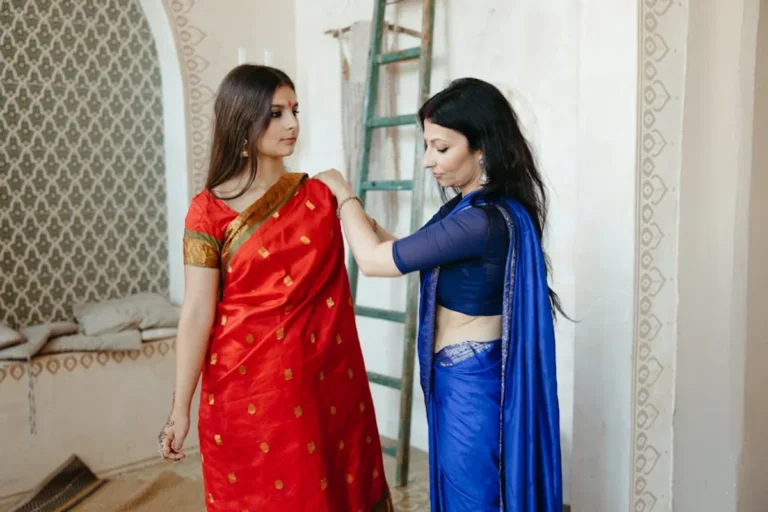
Defining Core Style Aesthetics for Efficient Dressing
Developing a cohesive personal style often feels like a complex, time-consuming endeavor. The objective is not to chase every fleeting trend, but to cultivate a reliable framework for daily dressing that reflects individual preference without demanding excessive thought or effort. This approach centers on identifying and leveraging "core style aesthetics" – fundamental visual languages that streamline wardrobe decisions and ensure consistent, polished presentation.
Identifying Your Personal Core
A core style aesthetic is a foundational set of preferences in silhouette, color palette, texture, and overall mood that consistently appeals to you. It's distinct from a transient trend because it's rooted in personal comfort, lifestyle, and self-perception. To pinpoint your core, observe patterns in your existing wardrobe and aspirational imagery. Note the recurring elements: Do you gravitate towards clean lines and minimalist forms, or layered textures and bohemian prints? Is your palette primarily neutral, or do specific colors consistently appear? This introspection moves beyond simple likes and dislikes, aiming for an underlying logic in your sartorial choices. It's about recognizing your default visual language, the one you return to when not actively experimenting.
Distinguishing Core from Trend
Trends are cyclical and often dictated by external influences, designed for short-term impact. A core aesthetic, conversely, is enduring. For example, "classic preppy" can be a core aesthetic, characterized by tailored blazers, button-downs, and loafers. While specific iterations of preppy might trend (e.g., oversized sweaters one season, slim-fit polos the next), the underlying aesthetic remains. The commercial utility here lies in building a wardrobe that resists obsolescence. By focusing on core elements, you invest in pieces with longevity, reducing the need for constant, reactive purchases driven by seasonal fads. This translates to more efficient budget allocation and a less cluttered, more functional wardrobe.
Building a Versatile Wardrobe Foundation
Once a core aesthetic is identified, the next step is to construct a wardrobe that supports it with maximum versatility. This involves selecting key garments that can be mixed and matched across various contexts, minimizing decision fatigue.
Essential Garments for Any Core Aesthetic
Regardless of whether your core is minimalist, bohemian, classic, or edgy, certain foundational pieces serve as anchors. These are items valued for their adaptability and quality, forming the backbone of your daily outfits. They include:
- Well-fitting trousers or jeans in versatile washes (e.g., dark denim, black, charcoal).
- Plain, high-quality t-shirts and long-sleeved tops in neutral colors.
- A classic button-down shirt (white, light blue, or a subtle stripe).
- A versatile blazer or tailored jacket that can be dressed up or down.
- Comfortable, classic footwear (e.g., leather loafers, simple sneakers, ankle boots).
- A durable, neutral-toned handbag or brief that complements most outfits.
The emphasis is on fit and fabric quality. A well-fitting garment made from a robust material will outlast several trend-driven purchases and consistently elevate your look, regardless of its simplicity.
The Role of Neutrals and Textures
Neutrals (black, white, gray, navy, beige, olive) are the bedrock of a versatile wardrobe because they combine effortlessly. They create a harmonious base, allowing for subtle variations without clashing. Textures, often overlooked, add depth and interest to neutral outfits. Consider incorporating different fabrications such as:
- Crisp cotton for shirts.
- Soft merino wool or cashmere for knitwear.
- Structured denim or twill for bottoms.
- Smooth leather or suede for accessories.
By varying textures within a neutral palette, outfits gain visual complexity and sophistication without requiring bold colors or intricate patterns. This approach simplifies styling by reducing the variables in outfit construction.
Streamlining the Styling Process
The goal is to reduce the cognitive load associated with getting dressed daily. This involves establishing routines and visual aids that accelerate decision-making.
The "Uniform" Approach
Many successful individuals adopt a personal "uniform" – a set combination of garments they wear consistently, with minor variations. This isn't about wearing the exact same outfit every day, but rather adhering to a predictable template. For example, a uniform could be "dark trousers + neutral top + blazer." The specific items might change (different dark trousers, different neutral top), but the structure remains constant. This strategy eliminates the daily question of "what to wear," freeing up mental energy for more critical tasks. It also reinforces your core aesthetic through repeated visual cues.
Accessorizing with Intent
Accessories are powerful tools for personalizing a core aesthetic without overhauling an entire outfit. Instead of accumulating numerous items, focus on a select few that genuinely enhance your look and align with your core style. A distinctive watch, a signature piece of jewelry, a quality belt, or a well-chosen scarf can transform a simple base outfit. The key is intentionality: each accessory should serve a purpose, either functional or aesthetic, and contribute to the overall message of your style. This avoids clutter and ensures every item earns its place.
Curating a Visual Reference
Maintain a digital or physical collection of outfits and looks that resonate with your core aesthetic. This could be a Pinterest board, a saved folder on your phone, or a physical lookbook. When faced with a styling dilemma, refer to this curated collection for inspiration. It acts as a pre-approved library of ideas, allowing for quick replication or adaptation rather than starting from scratch. This practice trains your eye and reinforces your aesthetic preferences over time, making future decisions more intuitive.
Pro Tip: Prioritize fit above all else. A perfectly tailored inexpensive garment will consistently look more polished and intentional than a high-end item that fits poorly. Invest in basic alterations for key pieces; it's a cost-effective way to elevate your entire wardrobe and ensure every item truly supports your core aesthetic.
Actionable Steps for Consistent Styling
To consistently apply your core style aesthetics without overthinking, implement these practical steps:
- Perform a Wardrobe Audit: Regularly remove items that don't align with your core aesthetic, fit poorly, or haven't been worn in the last 12 months. This reduces visual noise and makes outfit selection easier.
- Create Go-To Combinations: Physically assemble 5-7 complete outfits (including shoes and accessories) that embody your core aesthetic. Photograph them or note them down. These become your immediate solutions for busy mornings.
- Plan Ahead: For important meetings or events, lay out your outfit the night before. This eliminates last-minute stress and ensures a well-considered appearance.
- Invest in Maintenance: Keep your clothes clean, pressed, and in good repair. A well-maintained garment, even a simple one, always looks more intentional and professional.
Frequently Asked Questions
What is the difference between a core aesthetic and a capsule wardrobe?
A core aesthetic is the underlying style philosophy or visual language that guides your choices, while a capsule wardrobe is a practical application of that philosophy—a limited collection of interchangeable clothing items that align with your aesthetic.
How long does it take to find my core aesthetic?
Identifying a core aesthetic is an ongoing process of self-observation and refinement. It can take several weeks of conscious reflection and experimentation to discern consistent patterns and preferences, but the foundational elements often become clear within a few focused sessions.
Can my core aesthetic change over time?
Yes, personal style evolves with life stages, career changes, and personal growth. While the core principles might remain, specific expressions or interpretations of your aesthetic can certainly shift. Regular wardrobe audits help ensure your clothing continues to reflect your current self.
Do I need to buy new clothes to establish a core aesthetic?
Not necessarily. Often, establishing a core aesthetic involves curating and re-evaluating your existing wardrobe. You might discover that you already own many pieces that fit your core, and only need to fill in a few strategic gaps or make minor alterations.