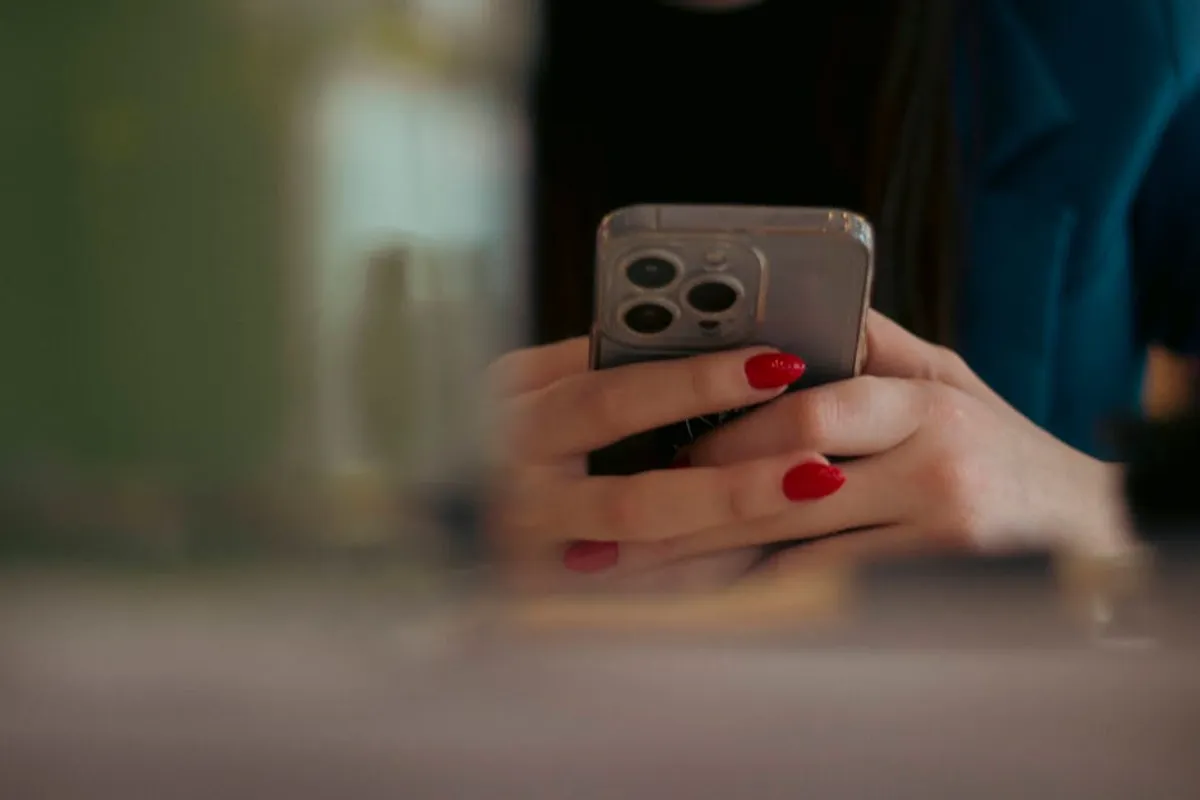
French tip nail designs, often associated with a singular, classic aesthetic, possess a surprising depth of adaptability, making them suitable for year-round application. Moving beyond the traditional white tip on a nude base, this guide explores how to integrate seasonal color palettes, textures, and contemporary design elements to refresh this enduring style. The objective is to demonstrate how a foundational nail design can be reinterpreted to align with the distinct moods and trends of spring, summer, autumn, and winter, ensuring commercial relevance for clients seeking both timeless elegance and current fashion.
Seasonal Adaptations for French Tips
Spring: Fresh Hues and Delicate Details
Spring French tips move away from stark contrasts, embracing softer, more nuanced palettes. Pastel shades like mint green, lavender, baby blue, and pale yellow replace the traditional white, offering a subtle pop of color. The tip line itself can be thinned or softened into a gentle ombré effect, blurring the transition with the nail bed. Incorporating delicate floral accents, either hand-painted or via small decals, along the tip or cuticle area adds a thematic touch without overwhelming the design. Negative space French tips, where a clear base allows the natural nail to show through, with a thin pastel tip, also provide a light, airy feel appropriate for the season.
Pro Tip: When selecting spring pastels for French tips, consider undertones. Cooler skin tones often benefit from blues and purples, while warmer tones are complemented by peaches and soft yellows. Test shades against the client's hand to ensure a harmonious match.
Summer: Bold Colors and Playful Patterns
Summer offers the opportunity to experiment with vibrant, high-saturation colors. Neon tips in shades of electric pink, lime green, or bright orange provide a striking contrast against a natural or sheer base. For a more sophisticated summer look, consider dual-tone French tips, where two complementary bright colors are used in a thin, stacked line. Playful patterns such as mini fruit motifs (lemons, watermelons) on one or two accent nails, or subtle glitter accents along the tip line, capture the season's carefree spirit. Ombré French tips transitioning from a bright color to a lighter shade are also popular, mimicking sunset hues.
- Electric Blue & White
- Coral & Gold Shimmer
- Lime Green & Clear
- Fuchsia & Orange Ombré
- Turquoise & Silver Glitter
Autumn: Earth Tones and Cozy Textures
As temperatures cool, French tips can incorporate deeper, richer colors and textural finishes. Burnt oranges, deep reds, forest greens, and warm browns become primary choices for the tip. Metallic accents, particularly in gold or copper, can be used for the tip itself or as a thin line separating the tip from the base. Matte topcoats are especially effective during autumn, lending a sophisticated, velvety finish to any color. Designs can include subtle plaid patterns on an accent nail, or a "tortoiseshell" effect applied to the tip for a luxurious, seasonal touch.
Winter: Icy Shades and Festive Flair
Winter French tips draw inspiration from frosty landscapes and festive celebrations. Icy blues, deep emeralds, and rich burgundies are strong contenders for tip colors. Silver and gold glitter, either as a full tip or a delicate gradient, provide a festive sparkle. Snowflake designs, intricate lace patterns, or even a "velvet" finish (achieved with flocking powder) can transform the classic tip into a winter wonderland. For a more understated elegance, consider a black or deep navy tip with a subtle metallic outline, offering a sophisticated contrast suitable for holiday events.
Beyond the Classic: Modern French Tip Variations
Abstract and Geometric French Tips
Modern interpretations move beyond the traditional curved line. Abstract French tips feature asymmetrical lines, angled tips, or even multiple thin lines creating a layered effect. Geometric designs might incorporate sharp V-shapes, square tips, or negative space cut-outs at the tip. These variations allow for greater artistic expression and can be adapted to match specific fashion aesthetics, providing a contemporary edge to the classic design.
Reverse French Tips and Half-Moon Designs
The reverse French tip, also known as a cuticle French, applies color along the cuticle line instead of the free edge. This can be a subtle accent or a bold statement, depending on the color choice. Half-moon designs, which trace the lunula (the white crescent at the base of the nail), offer a similar effect, often using contrasting colors for a striking visual. These styles provide an alternative focal point, drawing attention to the base of the nail and offering a fresh perspective on the "tip" concept.
Glitter and Embellished French Tips
For clients seeking more flair, glitter and embellishments transform the French tip. Glitter can be applied as a solid tip, faded into an ombré, or used as a fine line above or below the colored tip. Small rhinestones, pearls, or metallic foils can be strategically placed along the tip line or on an accent nail, adding texture and sparkle. These options are particularly popular for special occasions or when a design requires an element of luxury and visual impact.
Practical Application and Longevity
Achieving a crisp, long-lasting French tip, regardless of seasonal variation, relies on precise application and quality products. A strong base coat is crucial for adhesion and preventing staining, especially with darker or highly pigmented tip colors. For the tip itself, thin, even coats are essential to avoid bulkiness. Using a fine-tipped brush or nail art pen can facilitate creating clean lines for intricate designs. Finally, a durable topcoat, preferably one designed for chip resistance and high shine (or matte finish, if desired), seals the design, protects against wear, and extends the manicure's life. Gel polish systems offer superior longevity and chip resistance compared to traditional lacquer, making them a preferred choice for intricate or long-wear French tip designs.
Year-Round French Tip Versatility
The French tip, far from being a singular, static design, serves as a versatile canvas for seasonal expression and modern artistry. By strategically integrating color, texture, and contemporary variations, this classic style remains a commercially viable and perpetually fashionable option. Encourage clients to explore beyond the traditional, embracing the dynamic potential of the French tip to complement their personal style and the evolving demands of each season.
Frequently Asked Questions
Can French tips be done on short nails?
Yes, French tips are highly adaptable for short nails. A very thin tip line or a reverse French tip design can elongate the nail bed and create an elegant look without requiring significant nail length.
What's the best way to keep French tips from chipping?
To prevent chipping, ensure nails are clean and dry before application, use a high-quality base coat, apply thin layers of polish, and seal the design with a durable, chip-resistant topcoat, wrapping the free edge of the nail.
How do I choose the right colors for a seasonal French tip?
Consider the dominant color palettes associated with each season: pastels for spring, brights for summer, earth tones for autumn, and icy/festive shades for winter. Personal preference and skin tone can further refine the color selection.
What's the difference between a classic and a modern French tip?
A classic French tip typically features a white tip on a sheer pink or nude base with a gentle curve. Modern French tips experiment with different colors, textures (matte, glitter), shapes (V-tip, asymmetrical), and placements (reverse, abstract lines).