Understanding the trajectory of fashion trends is not merely an exercise in aesthetic prediction; it is a critical commercial imperative for designers, manufacturers, retailers, and content strategists. The patterns emerging in consumer preferences, material innovation, and societal values directly influence purchasing decisions, inventory turnover, and brand relevance. For businesses operating within or adjacent to the fashion industry, anticipating these shifts allows for proactive product development, optimized marketing campaigns, and strategic resource allocation, mitigating risks associated with misaligned offerings and maximizing market capture. This analysis focuses on the tangible movements shaping the fashion landscape, providing a framework for informed decision-making.
Macro Trends Shaping the Landscape
The overarching forces influencing fashion extend beyond seasonal collections, reflecting deeper shifts in global priorities and technological advancements. These macro trends dictate the foundational principles upon which specific styles and aesthetics are built, impacting everything from supply chain ethics to consumer engagement models.
Sustainable Practices and Circularity
The demand for environmental responsibility continues to escalate, moving beyond niche concern to a core consumer expectation. This manifests in a pronounced shift towards circular fashion models, emphasizing longevity, repair, reuse, and recycling. Brands are increasingly scrutinized for their material sourcing, production processes, and end-of-life solutions for garments. Expect continued innovation in bio-based materials, recycled synthetics, and upcycled textiles. Investment in resale platforms, rental services, and repair initiatives will also grow, offering consumers alternatives to linear consumption and providing brands with new revenue streams and customer touchpoints.
Digital Integration and Virtual Experiences
Technology's role in fashion is expanding rapidly, moving beyond e-commerce into immersive digital experiences. The metaverse, NFTs (Non-Fungible Tokens), and augmented reality (AR) are not just experimental concepts; they are becoming viable avenues for brand engagement and product extension. Digital fashion, virtual try-ons, and avatar customization offer new ways for consumers to interact with brands and express personal style without physical limitations. For businesses, this presents opportunities for digital product lines, virtual marketing campaigns, and enhanced online customer experiences that bridge the physical and digital worlds.
Key Aesthetic Directions and Silhouettes
Beneath the macro trends, specific aesthetic movements define the visual language of current fashion, influencing garment construction, fit, and overall mood.
Elevated Comfort and Loungewear
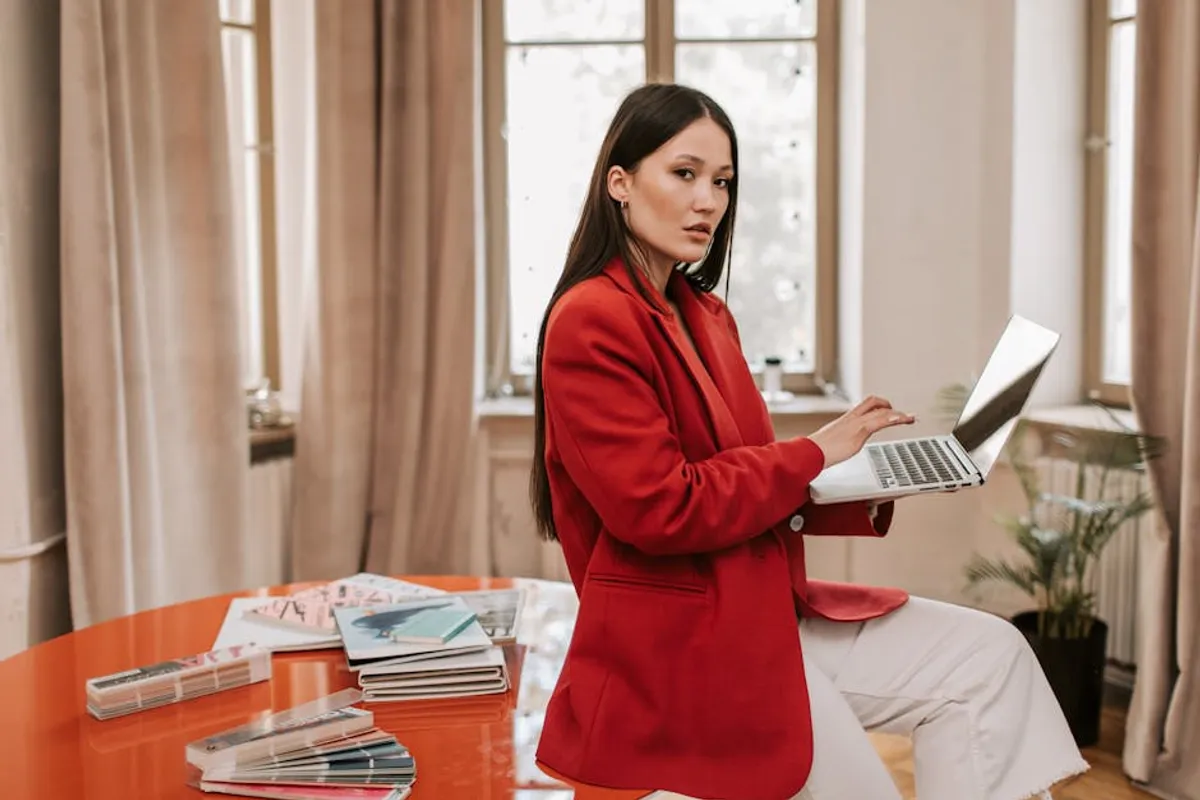
The enduring legacy of comfort, accelerated by recent global shifts, continues to evolve. This is not merely about casual wear, but about refined comfort that blends ease with sophistication. Expect tailored yet relaxed silhouettes, luxurious knits, and soft, tactile fabrics. Pieces designed for versatility, transitioning seamlessly from home to public spaces, will dominate. Think wide-leg trousers in premium blends, oversized blazers, and coordinated knit sets that prioritize both drape and structure. The focus is on garments that feel good to wear while maintaining a polished appearance.
Retro Revival with a Modern Twist
Fashion's cyclical nature ensures a return to past eras, but always with contemporary reinterpretation. This year, specific decades are being re-examined through a modern lens. The minimalist lines and understated elegance of 90s fashion are being updated with softer fabrics and more fluid cuts. Simultaneously, Y2K maximalism, characterized by bold colors, playful accessories, and experimental textures, is resurfacing with a more refined edge, integrating contemporary streetwear elements. The 70s bohemian spirit, with its flowing silhouettes, earthy palettes, and handcrafted details, also sees a resurgence, often paired with modern tailoring or unexpected fabric combinations.
Androgynous and Gender-Fluid Styling
The dismantling of traditional gender norms in fashion continues to gain momentum. Collections increasingly feature gender-neutral pieces, oversized fits, and styling that blurs historically masculine and feminine aesthetics. This trend emphasizes individual expression over prescribed categories, leading to more versatile wardrobes. Think tailored trousers, oversized shirts, and structured outerwear designed to fit a diverse range of body types, encouraging creative layering and personalized interpretations.
Dominant Colors, Patterns, and Textures
The tactile and visual elements of fashion play a crucial role in trend communication, influencing mood and consumer appeal.
Color palettes lean towards a balance of grounding neutrals and vibrant, optimistic hues. Earthy tones like deep olives, terracotta, and warm browns provide a stable foundation, complemented by pops of electric blues, vivid greens, and saturated pinks. Patterns range from abstract, organic forms that evoke nature to updated classic geometrics. Textures are key, with an emphasis on sensory experience: sheer fabrics for layering, plush knits, distressed leathers, and metallic finishes add depth and visual interest.
Pro Tip: When evaluating emerging trends, consider your brand's core identity and target audience. Not every trend will align with your established aesthetic or resonate with your customer base. Strategic adoption involves selecting trends that enhance your brand narrative and offer genuine value to your consumers, rather than simply chasing every new development. Authenticity in trend integration builds stronger brand loyalty.
Accessory Focus: The Finishing Touches
Accessories often serve as the most accessible entry point to a trend, offering a cost-effective way for consumers to update their look and for brands to introduce newness.
- Bags: Expect a continuation of structured, minimalist shapes alongside playful, oversized totes. Novelty textures, such as faux fur or woven materials, will add character. The return of the shoulder bag in various sizes, from micro to substantial, remains strong.
- Footwear: Chunky platforms and updated loafers continue their dominance, offering both elevation and comfort. Minimalist sandals with delicate straps provide a counterpoint for warmer weather. Elevated sneakers, blending athletic utility with sophisticated design, remain a versatile staple.
- Jewelry: Layering remains important, with a mix of delicate chains and bolder, sculptural pieces. Natural elements like pearls and raw stones are popular, often set in organic, irregular forms. Statement earrings and cuffs provide focal points, while body chains offer a more adventurous styling option.
Commercial Implications for Brands and Retailers
Translating these trends into actionable business strategies requires a clear understanding of their commercial impact.
For product development teams, these trends highlight opportunities for material innovation, sustainable sourcing, and versatile design. Marketing departments can leverage these insights to craft compelling narratives, create visually engaging campaigns, and target specific consumer segments interested in conscious consumption or digital fashion. Retailers must consider how to curate collections that reflect these shifts, ensuring their inventory aligns with evolving demand. This includes adjusting merchandising strategies to highlight key trend pieces and investing in digital infrastructure to support virtual experiences or resale initiatives.
Practical Application: Integrating Trends into Your Strategy
Successfully navigating the dynamic landscape of fashion trends requires more than just observation; it demands strategic application. Businesses should prioritize a selective approach, identifying which trends align with their brand ethos and resonate most strongly with their target demographic. Investing in robust market research and consumer feedback mechanisms ensures that trend adoption is data-driven, minimizing speculative risks. Furthermore, fostering agility in supply chains and design processes allows for quicker adaptation to emerging shifts, ensuring products remain relevant and desirable in a fast-paced market. The goal is not to blindly follow every trend, but to intelligently integrate those that offer a competitive advantage and strengthen brand positioning.
Frequently Asked Questions
How far in advance should brands plan for fashion trends?
Most brands operate on a 6-18 month lead time for major collections, with faster fashion cycles allowing for shorter lead times of 3-6 months. Strategic trend forecasting typically begins 12-24 months out to inform initial design concepts and material sourcing.
Are all trends relevant to every market?
No, trend relevance varies significantly by geographic region, cultural context, and target demographic. A trend popular in one urban center may not resonate in another, or across different age groups or income brackets. Market-specific research is crucial for effective trend adoption.
How quickly do fashion trends change?
Macro trends evolve over several years, while aesthetic directions and specific styles can shift seasonally or even monthly, particularly in fast-fashion segments. The rise of social media has accelerated the trend cycle, making continuous monitoring essential.
What resources can help track emerging trends?
Industry reports from forecasting agencies, trade publications, fashion week coverage, and social media analytics are primary resources. Observing street style, analyzing consumer search data, and monitoring competitor collections also provide valuable insights into emerging trends.