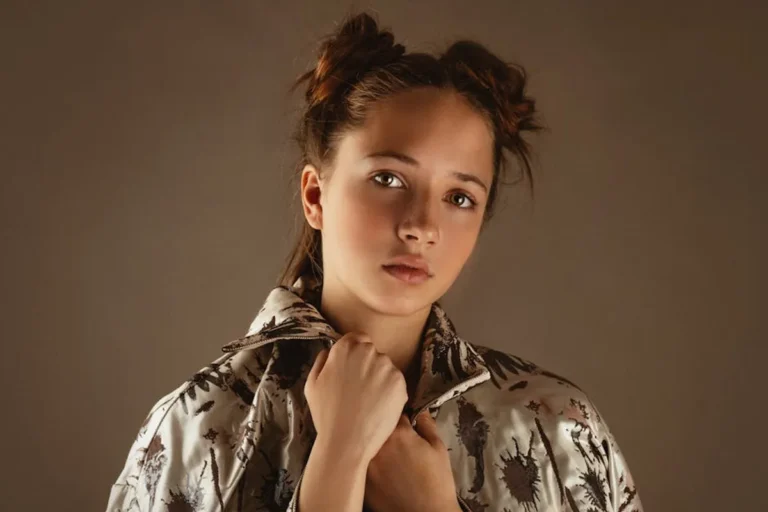
Emily Ratajkowski's approach to dress outfits consistently captures attention, offering distinct style inspiration for those seeking to integrate contemporary trends with personal expression. Her wardrobe selections, whether for red carpet events or casual outings, demonstrate a clear understanding of silhouette, proportion, and strategic detailing. This focus on specific design elements rather than fleeting trends provides a practical framework for analyzing and adapting her aesthetic.
Deconstructing Signature Silhouettes
Ratajkowski frequently favors particular dress silhouettes that emphasize confidence and form. Understanding these core shapes is critical for replicating or drawing inspiration from her style.
The Bodycon Dress: Strategic Fit and Fabric
Her use of bodycon dresses extends beyond simple form-fitting garments. Key to her interpretation is the fabric choice and the dress's architectural structure. Often, these pieces feature technical knits or stretch jersey that provide both comfort and a smooth, sculpted line. The fit is precise, designed to highlight natural curves without constriction. Color palettes tend towards neutrals like black, white, and earth tones, allowing the silhouette itself to be the primary statement. For commercial application, this highlights the importance of fabric composition and garment construction in achieving a desired aesthetic outcome, particularly for products marketed for their shaping or contouring properties.
The Slip Dress: Versatility in Understated Luxury
Emily Ratajkowski frequently showcases the slip dress as a foundational piece, demonstrating its adaptability from daywear to evening attire. Her choices often feature silk or satin fabrics, contributing a fluid drape and subtle sheen. The key to her styling lies in layering—pairing a slip dress with a simple white tee for a casual look, or accessorizing minimally with delicate jewelry for an evening ensemble. This highlights the slip dress as a commercially viable item due to its seasonless appeal and potential for diverse styling, making it a valuable inventory staple for retailers targeting a versatile consumer base.
Occasion-Specific Styling: From Casual to High Fashion
Her dress choices are often dictated by the context, providing distinct lessons in adapting an aesthetic for various environments.
Daytime Ensembles: Effortless Utility
For casual settings, Ratajkowski gravitates towards dresses that combine comfort with a refined edge. Examples include ribbed knit midi dresses, often paired with sneakers or simple sandals, and cotton sundresses with subtle cut-outs or ruching. These selections prioritize ease of movement and breathable fabrics while maintaining a tailored appearance. The emphasis is on elevated basics that can transition from errands to casual social engagements, underscoring the market demand for versatile, high-quality everyday wear.
Evening and Red Carpet: Impactful Detailing
On the red carpet, her dress outfits become more overtly statement-making. These often feature:
- Strategic Cut-outs: Placed at the waist, décolletage, or back, these are designed to reveal skin in a controlled, architectural manner, adding visual interest without compromising the overall silhouette.
- Asymmetrical Hemlines: High-low cuts or diagonal lines introduce dynamic movement and a modern edge to traditional gown shapes.
- Bold Color Choices: While she favors neutrals, for high-profile events, Ratajkowski will opt for vibrant hues like electric blue, crimson, or emerald green, ensuring visual impact against a crowded backdrop.
- Minimalist Accessorizing: Even with elaborate gowns, her accessory choices remain restrained, typically limited to a small clutch and delicate jewelry, allowing the dress to remain the focal point.
This approach demonstrates how specific design elements can elevate a garment and how thoughtful accessorizing enhances rather than competes with the primary piece.
Pro Tip: When analyzing celebrity style for commercial application, focus on repeatable design elements and styling principles rather than exact brand replication. Identify the underlying trends in silhouette, fabric, and color palette that can be translated across different price points and target demographics.
Integrating Accessories and Footwear
The impact of Emily Ratajkowski's dress outfits is significantly amplified by her deliberate choice of accessories and footwear. She employs these elements not as afterthoughts but as integral components of the overall look.
Footwear: Balancing Form and Function
For daytime, flat sandals, minimalist sneakers, or low-heeled boots frequently accompany her dresses, prioritizing comfort and a grounded aesthetic. In contrast, evening looks are almost exclusively paired with high-heeled sandals or pumps, often with thin straps or pointed toes, which elongate the leg and contribute to a polished finish. This stark contrast illustrates the functional role of footwear in defining the formality and intention of a dress ensemble.
Jewelry and Handbags: Understated Enhancement
Her jewelry choices are typically minimal: delicate gold chains, small hoop earrings, or a single statement ring. This restraint ensures that the jewelry complements the dress without distracting from it. Handbags are often compact, structured clutches for evening, or small shoulder bags for day, selected for their clean lines and ability to carry essentials without adding bulk. The lesson here is that less can be more, particularly when the dress itself is designed to be a focal point.
Translating Inspiration into Actionable Style
Adapting Emily Ratajkowski's dress style involves identifying core principles and applying them to individual preferences and contexts. It's less about direct imitation and more about understanding the "why" behind her choices.
Consider the following for practical application:
- Silhouette Focus: Prioritize dresses with clean lines and intentional fits that flatter your body shape. Experiment with bodycon, slip, or A-line styles to find what works best.
- Fabric Awareness: Pay attention to material composition. Quality fabrics like silk, linen, or well-constructed knits can elevate even simple designs.
- Strategic Detailing: Look for dresses with thoughtful design elements such as subtle cut-outs, ruching, or unique necklines that add character without overwhelming the garment.
- Versatile Accessorizing: Invest in minimalist footwear and jewelry that can be easily mixed and matched to transition dresses from casual to formal settings.
- Color Palette: Build a wardrobe around a core of neutrals, then introduce bolder colors strategically for statement pieces or accents.
By dissecting these elements, individuals and businesses can derive concrete insights for personal styling, content creation, or product development within the fashion sector.
Frequently Asked Questions
What defines Emily Ratajkowski's dress style?
Her style is characterized by a blend of minimalist silhouettes, strategic body-conscious fits, and a sophisticated use of cut-outs and fluid fabrics like silk or technical knits. She balances effortless casual wear with impactful evening looks.
How can I incorporate her style into my wardrobe?
Focus on acquiring dresses with clean lines, quality fabrics, and versatile silhouettes like slip dresses or well-fitting knit midis. Prioritize strategic detailing and minimalist accessorizing to let the dress be the main statement.
Does she favor specific brands for her dresses?
While she wears a range of designer and contemporary brands, her style is more defined by consistent aesthetic principles—such as body-skimming fits, cut-outs, and specific fabric textures—rather than exclusive brand loyalty. The focus is on the garment's design and how it complements her figure.
Are her dress choices suitable for all body types?
While Ratajkowski often wears body-conscious styles, the principles of clean lines, strategic detailing, and quality fabrics can be adapted to various body types. The key is to find silhouettes and cuts that flatter individual proportions, rather than directly imitating her exact fit.