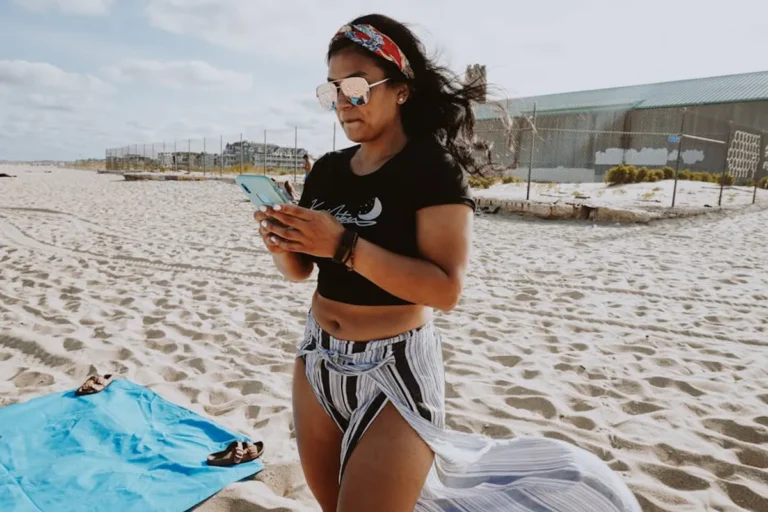
Emily Ratajkowski's consistent presence in swimwear photography offers a clear lens into prevailing and emerging trends within the bikini market. Her approach to beachwear is less about fleeting fads and more about a refined, often minimalist aesthetic that influences consumer purchasing decisions and informs design direction for swimwear brands. For retailers, understanding her style provides direct insight into product categories that resonate, while for consumers, it offers a practical framework for curating a contemporary swimwear wardrobe. This analysis dissects the specific elements of her bikini choices and styling methods, highlighting their commercial utility for trend forecasting, product development, and effective fashion communication.
Key Elements of Emily Ratajkowski's Bikini Aesthetic
Her swimwear choices are characterized by a distinct blend of simplicity, strategic cut, and material consideration. This creates an identifiable look that is both aspirational and commercially replicable across various price points.
Minimalist Silhouettes and Strategic Cuts
Ratajkowski frequently favors bikinis with clean lines and minimal embellishments. The commercial impact of this preference is significant: it emphasizes form, fabric quality, and wearer confidence over intricate detailing. High-cut bottoms, which elongate the leg, are a recurring feature, often paired with string or bandeau tops. This silhouette maximizes skin exposure while maintaining a sleek profile. For swimwear brands, this translates to a demand for streamlined patterns that prioritize fit and comfort, reducing reliance on expensive hardware or complex construction. The thong bikini, while not universally adopted, sees consistent visibility through her platform, signaling a niche yet growing market segment that values minimal coverage and a body-confident aesthetic.
Palette Choices: From Earth Tones to Bold Statements
While she occasionally embraces vibrant hues, a significant portion of her swimwear collection leans towards an understated color palette. Neutrals like black, white, cream, and various shades of brown and olive green are prominent. These choices offer versatility and a timeless appeal, making them commercially viable for longer product cycles. When she does opt for color, it's often a saturated, singular shade—such as a deep red, electric blue, or rich emerald—rather than complex patterns. This focus on solid colors allows the cut and texture of the fabric to take precedence. Brands can infer from this a dual market demand: a consistent base for classic, neutral pieces, alongside curated drops of high-impact, single-tone swimwear for seasonal updates.
Fabric Textures and Details
Beyond color and cut, the tactile quality of swimwear fabric plays a crucial role in her aesthetic. Ribbed textures are a consistent choice, offering a subtle visual interest and a comfortable, body-hugging fit without additional bulk. Metallic or shimmer fabrics also appear, particularly in solid colors, adding a luxurious dimension that elevates the basic bikini. These material choices inform manufacturing decisions, pushing for innovation in fabric development that combines aesthetic appeal with performance characteristics like quick-drying and UV protection. The commercial takeaway is clear: differentiate products not just through design, but through sophisticated material selection that enhances both look and feel.
Translating Her Style: Practical Styling Directives
Emily Ratajkowski's influence extends beyond the bikini itself to how it's presented. Her styling choices offer a blueprint for creating cohesive, aspirational beach and resort wear looks.
Elevated Cover-Ups and Layering
Her approach to cover-ups is strategic, transforming swimwear from beachwear into a broader fashion statement. Oversized button-down shirts, often linen or cotton, are a staple, worn open or loosely tied. She also utilizes sheer maxi skirts or sarongs in complementary tones, adding an element of elegance without obscuring the bikini entirely. This layering strategy offers significant commercial opportunity for brands to cross-sell cover-ups alongside swimwear, positioning them as essential components of a complete resort ensemble. Key cover-up types include:
- Oversized linen or cotton shirts (often white, black, or natural tones)
- Sheer, lightweight maxi skirts or dresses
- Minimalist sarongs in solid colors
- Knit or crocheted tunics for a bohemian touch
Accessory Integration for Impact
Accessories are used sparingly but effectively. Gold jewelry, particularly delicate necklaces and hoop earrings, provides a subtle gleam against tanned skin. Large, statement sunglasses are almost always present, adding an element of glamour and anonymity. Headwear, such as wide-brimmed straw hats or simple baseball caps, serves both functional and stylistic purposes. The commercial lesson here is to curate accessory collections that complement swimwear lines, focusing on quality over quantity. These are not merely add-ons but integral parts of the overall look, driving incremental sales and reinforcing brand identity.
Footwear and Bag Pairings
Footwear choices typically lean towards comfort and understated chic. Simple slides, often in leather or raffia, are preferred over elaborate heels, maintaining a relaxed yet polished vibe. Small, structured bags, sometimes in woven materials or bright colors, are used to carry essentials, providing a pop of texture or color without overwhelming the minimalist aesthetic of the swimwear. This demonstrates a preference for practical luxury, where accessories enhance functionality while maintaining high style. Retailers can leverage this by offering curated pairings of swimwear with appropriate footwear and resort bags, simplifying the purchasing decision for consumers.
Pro Tip for Brands: When developing swimwear collections inspired by influential figures like Emily Ratajkowski, focus on the underlying principles—minimalist design, quality fabrics, and versatile styling—rather than direct replication. This allows for adaptation to your brand's unique identity while tapping into proven consumer preferences.
Commercial Implications for Swimwear Brands and Retailers
Emily Ratajkowski's consistent swimwear visibility provides a robust case study for trend identification and product strategy. Her style validates the commercial appeal of high-quality, minimalist bikinis and strategically chosen resort wear. Brands can capitalize on this by prioritizing fabric innovation, perfecting core neutral collections, and investing in versatile cover-ups and accessories that complete the look. Furthermore, her direct-to-consumer approach through her own brand, Inamorata, illustrates the power of influencer-led commerce and the demand for authentic, body-positive messaging. Retailers should analyze her content not just for product ideas, but for insights into visual merchandising, content creation, and direct engagement strategies that resonate with a fashion-forward audience.
Actionable Insights for Your Swimwear Strategy
To effectively leverage the trends exemplified by Emily Ratajkowski's bikini style, consider these specific actions. For product developers, focus on perfecting fit in high-cut and string bottom designs, and explore innovative ribbed or subtly metallic fabrications. For marketers, emphasize the versatility of neutral-toned swimwear and showcase complete resort looks through styling guides and visual content that integrates elevated cover-ups and minimalist accessories. Prioritize user-generated content that reflects body confidence and natural settings, aligning with the authentic presentation often associated with her aesthetic. This approach shifts focus from transient trends to foundational elements of desirable swimwear, ensuring broader appeal and longer product relevance.
Frequently Asked Questions
What defines Emily Ratajkowski's signature bikini style?
Her style is characterized by minimalist designs, strategic high-cut and string silhouettes, a preference for solid colors (especially neutrals and saturated brights), and an emphasis on quality fabrics like ribbed textures.
How does she accessorize her swimwear?
She typically uses understated gold jewelry, large statement sunglasses, and functional headwear like wide-brimmed hats or baseball caps. Accessories are chosen to complement, not distract from, the bikini.
What types of cover-ups does she favor?
Her preferred cover-ups include oversized linen or cotton button-down shirts, sheer maxi skirts, and simple sarongs. These pieces add elegance and versatility, transitioning swimwear from beach to resort settings.
What commercial lessons can brands take from her swimwear choices?
Brands should focus on high-quality materials, timeless minimalist designs, strategic cuts that flatter various body types, and the importance of curating cohesive resort wear collections that include versatile cover-ups and complementary accessories.