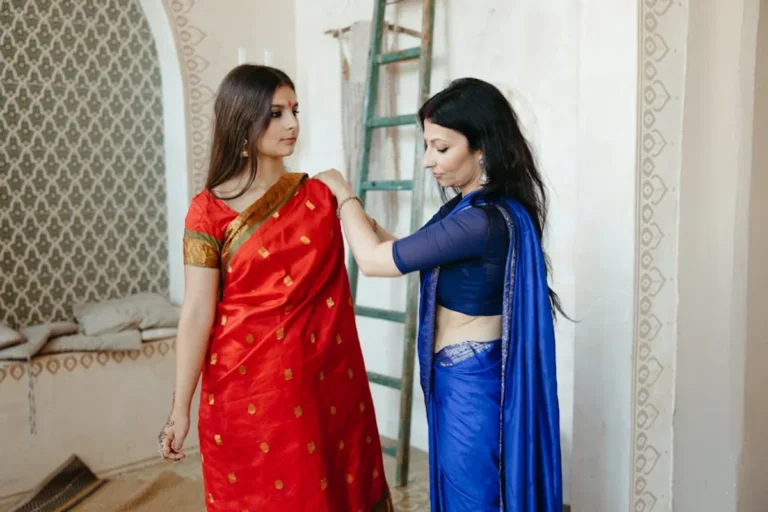
Understanding core style aesthetics provides a crucial framework for navigating the diverse landscape of women's fashion. These aesthetics are more than fleeting trends; they represent distinct visual languages, cultural influences, and personal expressions that resonate with specific audiences. For content creators, marketers, and product developers, recognizing these categories is essential for targeted communication, effective product curation, and strategic audience engagement. Each aesthetic dictates specific silhouettes, color palettes, fabric choices, and accessory preferences, forming a cohesive identity that informs consumer choices and market segmentation. By dissecting these foundational styles, businesses can better anticipate demand, refine their messaging, and create offerings that authentically connect with their intended demographic, moving beyond generic fashion commentary to deliver precise, value-driven insights.
Decoding Style: Key Elements of an Aesthetic
A style aesthetic is defined by a consistent set of visual and thematic elements that create a recognizable look and feel. To effectively categorize and understand these aesthetics, consider the following components:
- Silhouette and Structure: This refers to the overall shape and fit of garments. Are they tailored and structured, loose and flowing, oversized, or form-fitting? The silhouette often communicates the formality and comfort level of an aesthetic.
- Color Palette: Each aesthetic leans into a particular range of colors. Some favor neutrals and monochromes, others vibrant hues, pastels, or earthy tones. The color story significantly impacts the mood and perceived sophistication of a style.
- Fabric and Texture: Material choices are fundamental. Think about the difference between crisp cotton and flowing silk, rugged denim and delicate lace, or structured wool and soft knitwear. Texture adds depth and sensory appeal, influencing how an outfit feels and looks.
- Prints and Patterns: From subtle stripes and classic plaids to bold florals, abstract art, or animal prints, patterns contribute significantly to an aesthetic's distinctiveness. Their scale, repetition, and color define their impact.
- Accessories and Embellishments: Jewelry, bags, shoes, belts, and other adornments are not mere afterthoughts; they are integral to reinforcing an aesthetic. The choice of hardware, material, and design (e.g., minimalist vs. ornate) can transform an entire look.
- Overall Mood and Inspiration: Beyond tangible elements, an aesthetic conveys a specific mood, lifestyle, or cultural reference. Is it relaxed, sophisticated, rebellious, whimsical, or intellectual? This underlying narrative guides all other choices.
Analyzing these elements provides a comprehensive understanding of each core style aesthetic, allowing for more precise market analysis and content development.
1. Minimalist
The Minimalist aesthetic champions simplicity, functionality, and understated elegance. It is characterized by clean lines, a neutral color palette (blacks, whites, grays, navies, beige), and a focus on high-quality, well-tailored garments. Details are sparse, prioritizing essential forms and an absence of superfluous embellishment. The philosophy centers on a curated, versatile capsule wardrobe where each piece is chosen for its longevity and ability to mix and match effortlessly, creating a sophisticated and uncluttered visual identity.
Best for: Individuals valuing practicality, timelessness, and a refined, uncluttered appearance. It resonates strongly with professional environments and those seeking a versatile wardrobe that transcends fleeting trends.
Pros:
- Creates a cohesive and easily interchangeable wardrobe, simplifying daily dressing.
- Often involves investing in higher-quality, durable pieces, reducing consumption over time.
- Projects an image of sophistication, intention, and calm, suitable for diverse professional and casual settings.
Cons:
- Can be perceived as unadventurous or lacking vibrant personal expression by some.
- Reliance on neutral colors might feel restrictive for those who enjoy bold hues.
- Initial investment in quality foundational pieces can be higher, though offset by longevity.
Verdict: A highly adaptable and enduring aesthetic, Minimalist style offers a practical framework for building a sophisticated wardrobe. Its emphasis on quality, versatility, and timeless appeal makes it a strategic choice for long-term style development and efficient content categorization.
2. Classic/Timeless
The Classic aesthetic draws heavily from traditional fashion principles, emphasizing well-established designs that have proven their enduring appeal over decades. Think tailored blazers, trench coats, crisp button-downs, A-line skirts, and simple, elegant dresses. The color palette often includes rich neutrals, jewel tones, and traditional patterns like plaid or stripes. Quality construction and flattering, moderate silhouettes are paramount, aiming for an elegant and polished appearance that is never overtly trendy but always appropriate.
Best for: Those who prioritize longevity, elegance, and a polished presentation. It's ideal for professional settings, formal events, and individuals who prefer a sophisticated, understated look that feels consistently current.
Pros:
- Garments remain stylish for many years, offering excellent return on investment.
- Projects an image of reliability, competence, and refined taste.
- Easy to assemble cohesive outfits for various occasions without chasing trends.
Cons:
- Can sometimes be seen as conservative or lacking in contemporary edge.
- May not appeal to individuals who prefer bold experimentation or highly trend-driven fashion.
- Requires a commitment to quality pieces, which often entails a higher upfront cost.
Verdict: The Classic aesthetic is a robust foundation for any wardrobe, providing a reliable and elegant framework. Its consistent appeal makes it a strong category for evergreen content and products targeting a mature, discerning audience.
3. Bohemian (Boho)
Bohemian style is characterized by its free-spirited, artistic, and unconventional approach to fashion, drawing inspiration from hippie culture, ethnic patterns, and natural elements. Key features include flowing silhouettes, natural fabrics like cotton and linen, intricate embroidery, fringe, crochet, and patchwork. Earthy tones, warm colors, and vibrant patterns are common. Accessories like statement jewelry, wide-brimmed hats, and artisanal bags complete the look, conveying a relaxed, wanderlust-inspired vibe.
Best for: Individuals who embrace creativity, comfort, and a connection to nature or global cultures. It's popular for casual wear, festivals, and relaxed social gatherings, offering a distinct alternative to structured fashion.
Pros:
- Emphasizes comfort and relaxed fits, promoting ease of movement.
- Allows for significant personal expression through layering, textures, and unique accessories.
- Often incorporates sustainable or handcrafted elements, appealing to conscious consumers.
Cons:
- Can sometimes appear unkempt or overly casual if not styled thoughtfully.
- The abundance of fabric and detail might overwhelm petite frames.
- May not be suitable for highly formal or corporate environments without significant adaptation.
Verdict: Bohemian style offers a rich tapestry of textures and cultural influences, providing ample opportunity for expressive fashion. Its strong visual identity and associated lifestyle make it a compelling niche for content and product lines focused on individuality and comfort.
4. Romantic
The Romantic aesthetic is defined by softness, femininity, and delicate details, evoking a sense of dreamy elegance and charm. This style incorporates elements like lace, ruffles, bows, floral prints, pastels, and soft, flowing fabrics such as chiffon, silk, and tulle. Silhouettes often feature cinched waists, puff sleeves, and voluminous skirts, emphasizing graceful movement and a whimsical allure. The overall impression is one of gentle beauty, often with a vintage or fairytale-inspired undertone.
Best for: Individuals who appreciate delicate craftsmanship, feminine charm, and a soft, ethereal presentation. It's particularly popular for special occasions, spring/summer fashion, and those seeking to express a gentle, artistic sensibility.
Pros:
- Creates a visually appealing and often flattering silhouette.
- Offers a strong sense of personal expression through intricate detailing and soft textures.
- Evokes a sense of nostalgia and timeless beauty, appealing to a desire for classic femininity.
Cons:
- Can sometimes be perceived as overly sweet or impractical for everyday wear.
- Delicate fabrics and embellishments may require more careful maintenance.
- Might not align with preferences for more structured, minimalist, or edgy styles.
Verdict: Romantic style provides a distinct aesthetic niche centered on femininity and intricate beauty. Its appeal lies in its ability to transport and enchant, making it a powerful theme for visual content and product lines focused on special occasion wear or whimsical everyday pieces.
5. Edgy/Rebel
The Edgy or Rebel aesthetic challenges conventional fashion norms, incorporating elements of punk, rock, and alternative subcultures. Key components include leather (jackets, pants, skirts), ripped denim, studded details, metal hardware, graphic tees, and dark color palettes often accented with bold pops of color. Silhouettes can range from fitted and structured to oversized and deconstructed. This style often uses layering, unexpected combinations, and a deliberate sense of undone coolness to project confidence, individuality, and a non-conformist attitude.
Best for: Individuals who want to express a strong sense of individuality, defiance, and confidence. It's popular in urban settings, music scenes, and for those who prefer a bold, impactful, and unconventional look.
Pros:
- Allows for significant personal expression and a distinct, memorable visual identity.
- Often incorporates durable materials like leather and denim, offering longevity.
- Projects an aura of confidence, strength, and independence.
Cons:
- May not be suitable for highly conservative or formal environments.
- Can sometimes be perceived as intimidating or unapproachable by those unfamiliar with the aesthetic.
- Some elements, like distressed items, may not appeal to all consumers.
Verdict: The Edgy/Rebel aesthetic offers a powerful platform for self-expression and challenges traditional beauty standards. Its strong visual cues and rebellious spirit make it a compelling category for brands targeting younger demographics or those seeking to convey a bold, avant-garde image.
6. Preppy
The Preppy aesthetic is rooted in the traditional styles associated with elite East Coast American university campuses and preparatory schools. It emphasizes neatness, classic silhouettes, and a polished yet comfortable appearance. Signature elements include polo shirts, cable-knit sweaters, button-down shirts, chinos, plaid skirts, and loafers. The color palette often features primary colors, pastels, and nautical stripes. The style conveys an image of wholesome sophistication, good taste, and a sporty, academic influence.
Best for: Individuals who appreciate a neat, polished, and traditionally conservative style with a hint of sporty influence. It's suitable for casual outings, smart-casual work environments, and social gatherings where a refined yet relaxed look is desired.
Pros:
- Creates a consistently polished and put-together appearance.
- Many pieces are versatile and can be mixed and matched for different occasions.
- Conveys an image of tradition, good breeding, and understated elegance.
Cons:
- Can sometimes be perceived as too conservative or lacking in contemporary edge.
- May not appeal to those who prefer more avant-garde or expressive styles.
- Reliance on specific brand associations can sometimes lead to higher costs.
Verdict: Preppy style offers a reliable and enduring aesthetic built on classic foundations. Its consistent appeal to a specific demographic makes it a stable category for brands focusing on traditional quality and a refined, wholesome image.
7. Athleisure
Athleisure blurs the lines between athletic wear and casual fashion, prioritizing comfort, functionality, and a sporty aesthetic for everyday life. It incorporates items traditionally worn for workouts, such as leggings, joggers, hoodies, sneakers, and sports bras, into non-athletic contexts. Key features include performance fabrics (stretch, moisture-wicking), ergonomic designs, and a clean, modern aesthetic. The style emphasizes ease of movement and a relaxed, active lifestyle, often integrating minimalist designs with contemporary trends.
Best for: Individuals who prioritize comfort and functionality without sacrificing style. It's ideal for busy lifestyles, casual social events, travel, and anyone seeking a versatile wardrobe that transitions seamlessly from light activity to daily errands.
Pros:
- Offers unparalleled comfort and freedom of movement.
- Highly versatile, suitable for a wide range of casual activities.
- Often incorporates advanced fabric technology, providing practical benefits like breathability.
Cons:
- Can sometimes be perceived as too casual for more formal settings.
- Over-reliance on athletic brands might limit personal expression.
- Some performance fabrics may require specific care instructions.
Verdict: Athleisure is a dominant and commercially significant aesthetic driven by lifestyle changes. Its focus on comfort and versatility makes it a perpetually relevant category for content and products, particularly for brands targeting active, modern consumers.
8. Grunge
Originating from the 1990s music scene, the Grunge aesthetic is characterized by its anti-fashion stance, embracing a deliberately unkempt, rebellious, and raw look. Signature elements include oversized flannel shirts, ripped jeans, band tees, combat boots, slouchy knitwear, and distressed textures. The color palette is often dark and muted, reflecting a moody, introspective vibe. Layering is key, often with an intentional disregard for conventional matching, conveying an authentic, effortless, and somewhat defiant attitude.
Best for: Individuals who gravitate towards a raw, unpolished, and rebellious style. It appeals to those who appreciate vintage finds, comfortable clothing, and a rejection of mainstream glamour, often with a connection to music or counter-culture.
Pros:
- Emphasizes comfort and a relaxed fit, prioritizing ease over formality.
- Allows for significant personal expression through unique layering and distressed elements.
- Often incorporates vintage or thrifted items, promoting a sustainable approach to fashion.
Cons:
- Can be perceived as messy or unkempt by those unfamiliar with the aesthetic.
- May not be appropriate for professional or highly formal environments.
- Achieving the "effortless" look sometimes requires careful curation.
Verdict: Grunge offers a distinct and enduring counter-culture aesthetic that periodically resurfaces in mainstream fashion. Its raw authenticity and emphasis on comfort make it a compelling category for brands targeting specific subcultures or those offering vintage-inspired collections.
9. Vintage
The Vintage aesthetic encompasses styles inspired by or directly sourced from past decades, typically items at least 20 years old. Rather than a single look, it's a broad category, often broken down by era (e.g., 1920s flapper, 1950s rockabilly, 1970s disco). Common characteristics include unique silhouettes, specific fabrications, and tailoring details reflective of their time. The appeal lies in originality, craftsmanship, and a sense of history. It's about incorporating pieces with character and narrative into a contemporary wardrobe.
Best for: Individuals who appreciate historical fashion, unique pieces, and sustainable consumption. It appeals to those who enjoy collecting, curating, and expressing individuality through pieces that tell a story.
Pros:
- Offers truly unique and often one-of-a-kind garments, ensuring distinctiveness.
- Promotes sustainability by reusing and repurposing existing clothing.
- High-quality vintage pieces can be exceptionally well-made and durable.
Cons:
- Requires effort to source authentic pieces and ensure good condition.
- Sizing can be inconsistent with modern standards, requiring alterations.
- Some styles may feel dated if not integrated thoughtfully into contemporary outfits.
Verdict: The Vintage aesthetic is a rich, multifaceted category that champions individuality and sustainability. Its diverse sub-eras offer endless content possibilities and cater to a discerning audience seeking unique, high-quality, and historically resonant fashion.
10. Cottagecore
Cottagecore is a romanticized interpretation of rural life, emphasizing simplicity, nature, and a return to traditional crafts. This aesthetic features flowing dresses, puff sleeves, smocking, embroidery, floral prints, and natural fabrics like linen and cotton. The color palette is typically soft and earthy, with muted pastels and greens. Accessories include woven baskets, delicate jewelry, and practical footwear. It evokes a whimsical, idyllic vision of pastoral living, focusing on comfort, handcrafted elements, and a connection to the natural world.
Best for: Individuals who yearn for a simpler, more idyllic lifestyle, appreciate nature, and value comfort and softness in their clothing. It's popular for casual wear, outdoor activities, and expressing a gentle, romantic sensibility.
Pros:
- Emphasizes comfort and relaxed, breathable fabrics.
- Promotes a connection to nature and a sense of calm and tranquility.
- Offers a distinct, whimsical visual identity that stands out from urban styles.
Cons:
- Can sometimes appear overly simplistic or costume-like if not styled carefully.
- May not be suitable for highly formal or urban professional environments.
- The emphasis on natural fibers sometimes means higher maintenance.
Verdict: Cottagecore is a strong niche aesthetic driven by a desire for escapism and authenticity. Its clear visual language and associated lifestyle values make it a compelling category for brands in natural fibers, artisanal goods, and whimsical fashion.
11. Dark Academia
Dark Academia is an aesthetic inspired by classical literature, intellectual pursuits, and the romanticized imagery of old European universities. It features tailored pieces like blazers, tweed jackets, trousers, vests, and button-down shirts, often in dark, muted colors like forest green, burgundy, brown, and black. Fabrics like wool, corduroy, and plaid are prominent. The style often incorporates elements like argyle sweaters, loafers, and vintage-inspired accessories such as spectacles or leather satchels, conveying a scholarly, melancholic, and sophisticated mood.
Best for: Individuals who appreciate intellectualism, vintage aesthetics, and a sophisticated, slightly brooding style. It's popular among students, academics, and those who enjoy literature, history, and a refined, layered look.
Pros:
- Creates a polished, intellectual, and sophisticated appearance.
- Emphasizes layering, allowing for versatile outfits across different seasons.
- Often uses durable, classic fabrics like wool and tweed, offering longevity.
Cons:
- Can sometimes be perceived as overly serious or formal for casual settings.
- The dark, muted color palette might feel restrictive for those who prefer brighter hues.
- Requires a commitment to tailored pieces, which can be an investment.
Verdict: Dark Academia offers a distinctive, intellectual aesthetic with a strong visual identity and a dedicated following. Its emphasis on classic tailoring and literary inspiration makes it a valuable category for brands targeting sophisticated, culturally aware consumers.
12. Y2K (Year 2000)
The Y2K aesthetic draws heavily from late 1990s and early 2000s pop culture