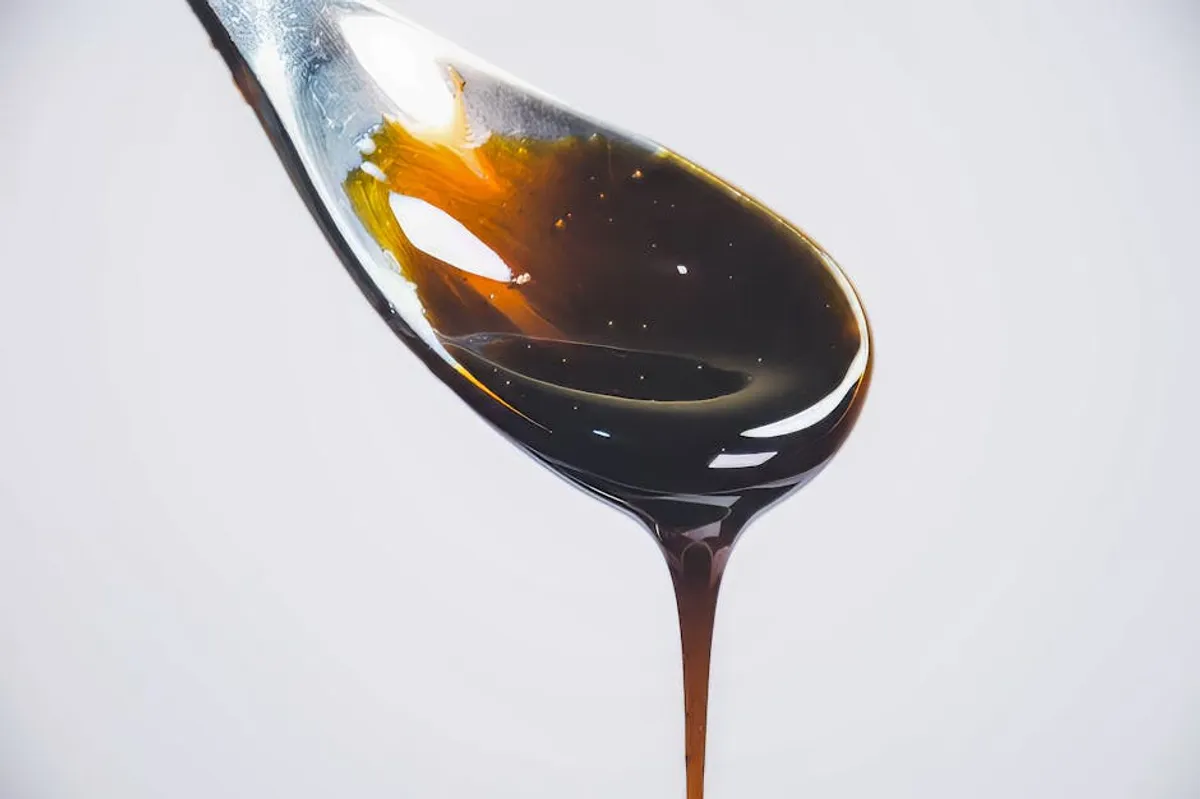
Caramel honey highlights offer a versatile approach to summer hair color, providing warmth and dimension that complements a wide range of skin tones and fashion aesthetics. This particular shade family—spanning from soft, buttery caramel to richer, deeper honey tones—is distinguished by its ability to create a luminous effect, mimicking natural sun exposure without harsh lines or stark contrasts. For those considering a hair refresh that aligns with the lighter, brighter mood of summer, understanding the nuances of different application techniques and tonal variations is crucial. The right choice can enhance your natural features, add perceived volume, and integrate seamlessly with your seasonal wardrobe, moving beyond a simple color change to a deliberate style statement. The decision involves weighing factors like desired maintenance, the level of contrast, and how the highlights will interact with your natural hair color and texture to achieve a cohesive, flattering result. Caramel honey highlights offer a versatile approach to summer hair color, providing warmth and dimension that complements a wide range of skin tones and fashion aesthetics, and these are great ideas for women.
Choosing Your Perfect Caramel Honey Highlights
Selecting the ideal caramel honey highlight style involves more than just picking a pretty shade; it requires considering several practical aspects to ensure the result is both flattering and manageable. First, assess your skin's undertone: warmer undertones typically harmonize with golden honey and rich caramel, while cooler undertones might benefit from slightly more neutral or amber-leaning caramel tones to avoid an overly yellow appearance. Your natural hair color is also a key determinant; lighter bases will show more pronounced caramel tones, while darker hair may require more lifting to achieve visible warmth, potentially impacting hair health. Consider your hair texture and length, as these influence how highlights lay and reflect light. Fine hair can appear fuller with strategically placed babylights, while thicker hair can carry bolder balayage or ribbon highlights. Finally, evaluate your lifestyle and commitment to maintenance. Some techniques, like balayage, offer a softer grow-out and require less frequent touch-ups, making them ideal for a low-maintenance summer. Others, such as traditional foiling, may demand more regular salon visits to keep the color fresh and seamless.
1. Classic Sun-Kissed Balayage
This technique involves hand-painting highlights onto the hair's surface, creating a soft, natural gradation from darker roots to lighter ends. The application is strategic, focusing on areas where the sun would naturally lighten the hair, resulting in a diffused, organic look. Caramel honey tones applied via balayage offer a warm, luminous effect that appears effortlessly grown-out and radiant, ideal for those seeking a subtle, yet impactful, transformation.
Best For: Individuals desiring a low-maintenance, natural-looking highlight that mimics sun exposure. Works well on most hair lengths and textures, particularly those seeking a soft grow-out.
Pros: Provides a natural, diffused look without harsh lines. Requires less frequent touch-ups due to the blended root. Adds significant dimension and warmth without appearing artificial.
Cons: Can be more expensive initially due to the specialized technique. Achieving significant lift on very dark hair may require multiple sessions. Not ideal for those wanting very uniform, precise highlights.
Verdict: An enduring choice for its natural aesthetic and reduced upkeep, delivering a sophisticated, sun-kissed glow that seamlessly transitions through the seasons.
2. Delicate Babylights
Babylights are ultra-fine, delicate highlights created using a very precise weaving technique. They are strategically placed throughout the hair, often concentrated around the hairline and crown, to mimic the natural, subtle lightness seen in children's hair. When executed with caramel honey shades, babylights introduce a soft, multi-dimensional shimmer that enhances natural hair color without overt contrast, providing a gentle, all-over luminosity.
Best For: Those seeking an extremely subtle, natural-looking enhancement that adds brightness and dimension without a dramatic color change. Ideal for fine to medium hair textures.
Pros: Creates a very natural, soft glow. Adds dimension without obvious lines or streaks. Grows out gracefully, minimizing harsh root lines. Can make hair appear fuller.
Cons: The application process is time-consuming due to the meticulous weaving. May not provide enough impact for those desiring a bolder highlight. Can be costly due to the intricate technique.
Verdict: An excellent option for a refined, understated brightness, offering a sophisticated sheen that appears inherently part of your natural hair color.
3. Face-Framing Money Piece
The money piece involves applying brighter, more concentrated highlights specifically to the sections of hair directly framing the face. This technique draws attention to facial features and instantly brightens the complexion. When using caramel honey tones, the money piece provides a warm, inviting glow around the face, creating a focal point that feels both modern and effortlessly chic, especially when paired with a summer tan.
Best For: Individuals looking for an immediate brightening effect around the face without committing to a full head of highlights. Complements various hair colors and styles.
Pros: Instantly brightens the face and enhances features. Requires less time and product than a full highlight service. Can be easily customized in terms of intensity and thickness. Offers a trendy, impactful look.
Cons: The highlighted sections may require more frequent toning or maintenance to prevent brassiness. If too thick or too light, it can look unnatural or stark. Can become a high-contrast focal point.
Verdict: A high-impact, low-commitment solution for adding a pop of warm, face-brightening color, perfect for a quick style refresh.
4. Ribbon Highlights
Ribbon highlights are characterized by thicker, more defined streaks of color that weave through the hair, creating distinct bands of lightness. Unlike babylights, which are subtle, ribbon highlights are designed to be more visible, offering a striking contrast and significant visual texture. Applying caramel honey shades with this technique results in rich, flowing ribbons of warm color that catch the light, adding dramatic depth and movement to the hair.
Best For: Those seeking a more pronounced, dimensional look with visible streaks of color. Particularly effective on medium to thick hair, as it can showcase the distinct ribbons well.
Pros: Creates significant depth and a multi-tonal effect. Adds visible texture and movement to the hair. Can make hair appear thicker and more voluminous. Offers a bolder statement than subtle highlights.
Cons: Can appear stripey or unnatural if not blended properly. May require more precise placement and blending to avoid harsh lines. Grow-out can be more noticeable compared to balayage.
Verdict: A bold choice for those who prefer their highlights to be a distinct feature, offering rich, flowing warmth and pronounced dimension.
5. Caramel Ombre/Sombre
Ombre creates a dramatic gradient effect, transitioning from darker roots to significantly lighter ends. Sombre, a softer version, offers a more subtle, gradual blend. When executed with caramel honey, both techniques provide a seamless melt of color, with the mid-lengths and ends showcasing the warm, golden tones. Ombre offers a more distinct contrast, while sombre delivers a gentler, more natural progression, both ideal for a sun-drenched summer aesthetic.
Best For: Individuals desiring a distinct color transition from dark to light, or a softer, blended gradient. Excellent for longer hair to showcase the full range of color progression.
Pros: Offers a low-maintenance root area due to the blended transition. Creates a striking, fashionable look. Adds significant depth and dimension. Sombre provides a very natural, soft melt.
Cons: Can appear dated if the transition is too harsh (ombre). Requires significant lifting on darker hair, potentially impacting hair health. May need regular toning on the lighter ends to prevent brassiness.
Verdict: A stylish choice for those who appreciate a gradual color shift, delivering either a bold statement or a soft, sun-kissed fade with warm caramel honey tones.
6. Toasted Honey Lowlights
While highlights add lightness, lowlights introduce darker, complementary tones to create depth and contrast within the hair. Toasted honey lowlights involve weaving in strands of a slightly deeper, richer caramel or honey shade, often one to two levels darker than the base. This technique adds perceived thickness and dimension, breaking up an overly uniform color and allowing the existing highlights to stand out more prominently, creating a multi-tonal, sophisticated look.
Best For: Hair that has become too light or lacks dimension. Ideal for adding richness and depth, making existing highlights appear brighter by contrast. Suitable for all hair types.
Pros: Adds incredible depth and dimension to hair. Can make hair appear thicker and fuller. Helps to break up monochromatic color. Enhances the vibrancy of existing highlights.
Cons: Improper placement can make hair look darker overall. Requires careful color selection to ensure the lowlights complement the existing highlights without clashing. Can be an additional service cost.
Verdict: An effective method for restoring natural dimension and richness, ensuring caramel honey highlights pop and the overall color appears more complex and luxurious.
7. Warm Honey Glaze
A warm honey glaze is not a highlight technique in the traditional sense, but rather a semi-permanent or demi-permanent color treatment applied all over the hair. It coats the hair shaft, imparting a translucent wash of warm, golden honey tones and enhancing shine without lifting the natural pigment. This service adds a subtle, all-over warmth and incredible luminosity, making it perfect for refreshing existing caramel tones or adding a gentle glow to natural hair.
Best For: Those seeking to add overall warmth, shine, and a subtle golden hue without permanent color or lifting. Excellent for refreshing faded highlights or adding luster to dull hair.
Pros: Adds immense shine and conditions the hair. Non-damaging as it doesn't involve lifting. Fades gracefully over time, avoiding harsh root lines. Quick and relatively inexpensive service.
Cons: Does not provide significant color change or lift. Results are temporary, typically lasting 4-6 weeks. May not be noticeable on very dark hair without prior lightening.
Verdict: An ideal, low-commitment solution for boosting overall warmth and shine, perfect for a temporary summer glow or enhancing existing caramel honey tones.
8. Dimensional Foilyage
Foilyage combines the natural blending of balayage with the lifting power of foils. Hair is hand-painted as in balayage, but then sections are wrapped in foils. This method allows for greater lift and brightness, particularly on darker hair, while still maintaining the soft, diffused grow-out characteristic of balayage. Dimensional foilyage with caramel honey tones creates a vibrant, multi-tonal effect that is both rich and natural, offering more intensity than traditional balayage.
Best For: Individuals with darker hair seeking significant lift and brightness with a soft, natural blend. Ideal for those wanting more impact than balayage but less maintenance than full foils.
Pros: Achieves greater lift and brighter results than traditional balayage. Offers a soft, natural grow-out similar to balayage. Creates multi-dimensional color with depth and vibrancy. Versatile for various hair types.
Cons: Can be a longer and more expensive service due to the combined techniques. Still involves foils, which some prefer to avoid. Requires a skilled colorist for optimal blending.
Verdict: A powerful hybrid technique for achieving rich, bright caramel honey highlights with a seamless blend and reduced maintenance, especially effective on darker hair bases.
9. Subtle Root Melt
A root melt is a coloring technique where a darker shade, often close to the natural root color, is applied and blended seamlessly into the lighter highlights, typically at the scalp area. This creates a soft, diffused transition from the root to the mid-lengths, eliminating harsh lines and allowing for a more natural grow-out. With caramel honey highlights, a root melt ensures the lighter tones emerge gradually, creating an effortless, lived-in look that feels organic and soft.
Best For: Those who want to soften the line between their natural roots and highlights, desiring a more blended, low-maintenance look. Particularly beneficial for extending time between salon visits.
Pros: Creates a very soft, natural transition from roots to highlights. Extends the time needed between touch-ups. Prevents harsh demarcation lines as hair grows. Adds depth at the root for a dimensional effect.
Cons: Adds an extra step and cost to the coloring process. If not blended properly, it can appear muddy or too dark. May not be necessary for very subtle highlight styles.
Verdict: An essential technique for achieving a perfectly blended, low-maintenance caramel honey highlight, ensuring a soft grow-out and a natural, diffused appearance.
10. Chunky Caramel Swirls
Chunky highlights involve taking thicker sections of hair for coloring, resulting in more pronounced, bolder streaks of color. When applied with caramel honey tones, this technique creates distinct "swirls" of warmth and lightness that stand out against the base color. This style offers a more intentional and statement-making look compared to delicate highlights, providing a noticeable pop of rich caramel that adds a playful and vibrant dimension.
Best For: Individuals looking for a bolder, more noticeable highlight that makes a statement. Works well on medium to thick hair that can support the distinct sections of color.
Pros: Creates a strong visual impact and distinct dimension. Can be customized in terms of thickness and placement for unique looks. Adds a playful, retro-inspired aesthetic. Offers high contrast.
Cons: Can look stripey or dated if not executed with modern blending techniques. Grow-out can be more noticeable and require more frequent touch-ups. May not suit those seeking a very natural, subtle look.
Verdict: A confident choice for those who desire their caramel honey highlights to be a prominent feature, delivering a vibrant and distinct visual texture.
Maintaining Your Summer Glow: Protecting Caramel Honey Highlights
Once you’ve invested in caramel honey highlights, preserving their warmth and luminosity through the summer months requires a focused aftercare routine. The sun, chlorine, and saltwater are notorious for fading color and causing brassiness, particularly in warmer tones. To combat this, integrate color-safe shampoos and conditioners specifically formulated to protect treated hair. Look for products that are sulfate-free, as sulfates can strip color. Incorporate a weekly deep conditioning mask to maintain moisture and prevent dryness, which can make highlights appear dull. UV protection sprays are essential when spending time outdoors; these act as a shield against sun damage and color fade. Before swimming, wet your hair and apply a leave-in conditioner; this creates a barrier that prevents chlorine or salt from penetrating the hair shaft and altering your color. Regular use of purple or blue toning shampoos, used sparingly (once every 1-2 weeks), can neutralize unwanted yellow or orange undertones that can emerge as warm highlights fade. Schedule touch-up appointments with your colorist every 8-12 weeks, depending on the technique, to refresh your tone and address root growth, ensuring your caramel honey highlights remain vibrant and seamless throughout the season.
Frequently Asked Questions About Caramel Honey Highlights
How long do caramel honey highlights typically last?
The longevity of caramel honey highlights depends on the technique used, your hair's growth rate, and your aftercare routine. Balayage and sombre techniques offer a softer grow-out, often lasting 10-16 weeks before needing a refresh. Traditional foils or babylights may require touch-ups every 6-10 weeks to maintain a crisp look at the root. Proper maintenance, including color-safe products and UV protection, can extend the vibrancy of your highlights.
Are caramel honey highlights suitable for all skin tones?
Yes, caramel honey highlights are highly versatile. The key is selecting the right variation of caramel or honey to complement your specific skin undertone. Warmer skin tones often glow with golden honey and richer caramel shades, while cooler undertones can be enhanced by more neutral or amber-infused caramel tones, preventing an overly yellow appearance. A skilled colorist can customize the shade to flatter your complexion.
Can I get caramel honey highlights on very dark hair?
Absolutely. While achieving visible caramel honey tones on very dark hair (e.g., black or dark brown) requires more lifting, it is entirely possible. Techniques like foilyage or traditional foiling are often employed to achieve sufficient lightness. This process may take longer and potentially require multiple sessions to protect hair integrity, but the result can be a stunning, multi-dimensional caramel effect that beautifully contrasts with a dark base.
What's the main difference between balayage and foilyage?
Balayage involves hand-painting highlights onto the hair surface without foils, resulting in a soft, natural, sun-kissed effect and a blended grow-out. Foilyage combines the hand-painting technique of balayage with the use of foils. The foils help to intensify the lifting process, allowing for brighter results and more pronounced highlights, especially on darker hair, while still maintaining the natural-looking blend of balayage.
How can I protect my caramel honey highlights from sun and chlorine during summer?
To protect your highlights, use UV protection sprays whenever you're outdoors, as sun exposure can fade color and cause brassiness. Before swimming, wet your hair thoroughly and apply a leave-in conditioner; this saturates the hair shaft, reducing the absorption of chlorine or saltwater. After swimming, rinse your hair immediately with fresh water. Incorporate color-safe, sulfate-free shampoos and conditioners, and a weekly deep conditioning mask to maintain moisture and vibrancy.