Navigating boys' haircut trends requires understanding both aesthetic appeal and practical considerations. For parents, the choice balances current popularity with maintenance ease, suitability for activity levels, and a child's personal preference. For stylists, staying abreast of these shifts means anticipating client demand and refining techniques. Marketers and product developers, in turn, track these trends to align offerings with evolving consumer tastes, from styling products to salon services. The landscape of boys' hairstyles is dynamic, influenced by pop culture, social media, and a growing emphasis on individual expression. Identifying these emerging and sustained trends is key to making informed decisions, whether for personal styling or commercial strategy.
The Enduring Appeal of the Textured Crop
The textured crop remains a dominant force in boys' hairstyles, characterized by its short, often faded sides and back, contrasted with a longer, textured top. The key differentiator here is the deliberate, often choppy, layering on top, which allows for versatile styling – from a neat, forward-swept fringe to a more dishevelled, natural look. Its popularity stems from its low-maintenance profile and adaptability. The shorter sides require less daily styling, while the textured top provides enough length for personalization without being cumbersome. This style effectively bridges the gap between classic neatness and contemporary edge.
Best for: Active boys, parents seeking a low-fuss yet stylish option, and stylists looking to showcase modern scissor-over-comb techniques.
The Rise of the Modern Mullet and Shag
A significant departure from its 80s predecessor, the modern mullet for boys is less about extreme contrast and more about intentional flow. This iteration typically features shorter, often tapered or faded sides, a slightly longer top, and a distinct, but not overly dramatic, length at the back. It’s often paired with softer layers and texture, giving it a more relaxed, surfer-esque vibe than the sharp, distinct lines of the past. Similarly, the shag cut, with its abundant layers and natural volume, offers a more free-flowing, less structured alternative, often seen on boys with naturally wavy or curly hair. Both styles signal a move towards greater individuality and a rejection of overly uniform looks.
Commercial Insight: These styles drive demand for texturizing sprays, sea salt mists, and lighter-hold styling creams that enhance natural hair movement rather than stiffly setting it.
Classic Fades with Contemporary Twists
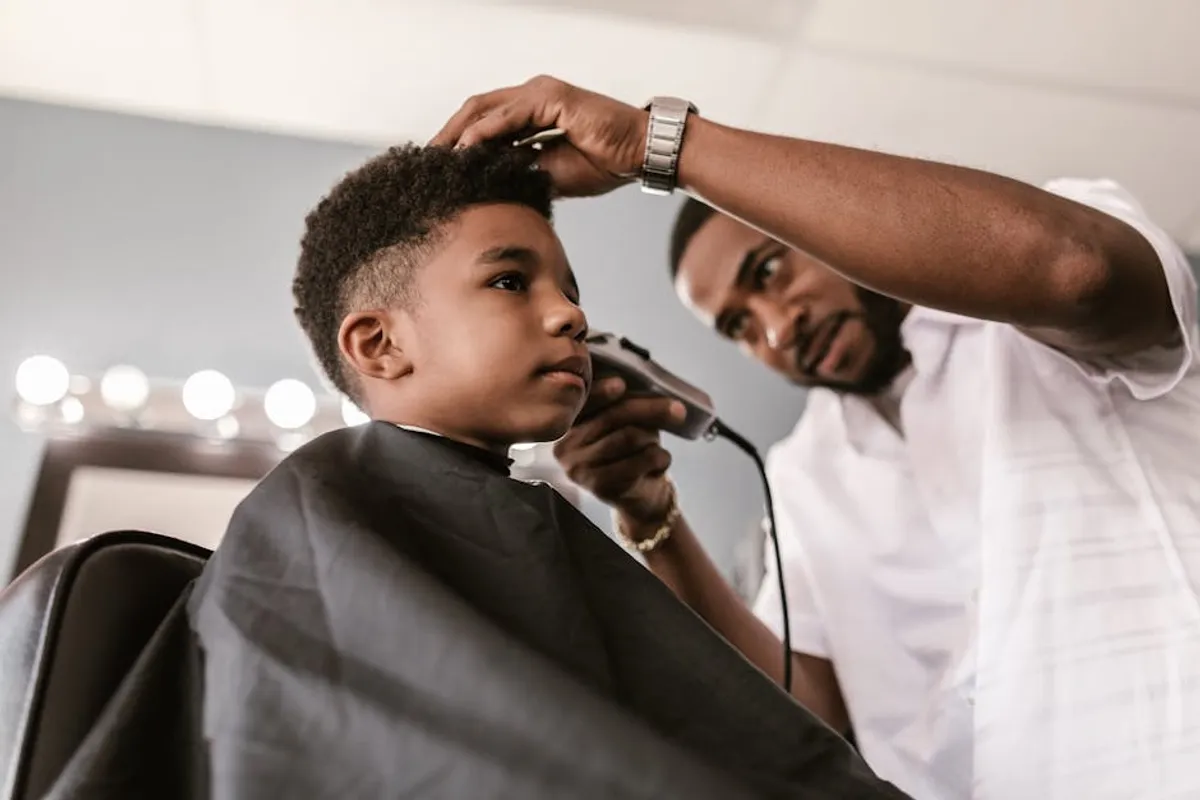
Fades are a perennial favorite, but their application evolves each year. This year, variations like the mid-fade and low-fade are particularly prominent, offering a softer transition than the high-and-tight skin fade. The focus is on precision blending, creating a seamless gradient from very short at the bottom to longer hair on top. Often, these fades are paired with a variety of top styles:
- Slick Back: A polished, often shiny finish requiring pomade or gel.
- Side Part: A timeless look, updated with a clean fade and often a subtle hard part.
- Quiff: Volume and height at the front, styled upwards and back, maintained with stronger hold products.
- French Crop: Shorter fringe, often blunt, combined with a textured top and faded sides.
The versatility of the fade makes it a commercial cornerstone, adaptable to almost any hair type and age group. Stylists proficient in diverse fading techniques are consistently in high demand.
Pro Tip: When considering a new haircut trend, always factor in hair texture and growth patterns. A style that looks effortless on straight hair might require significant product and effort on curly hair, and vice-versa. Realistic expectations regarding daily maintenance are crucial for client satisfaction.
Longer, Natural Styles
Counterbalancing the precision of fades and crops, longer, more natural boys' hairstyles are gaining traction. This trend embraces natural waves, curls, and straight hair allowed to grow out, often with minimal layering to maintain weight and shape. Think shoulder-length styles, messy fringes, or hair swept back off the face. The emphasis here is on health and natural movement, often requiring less cutting but more focus on hair care products like leave-in conditioners and curl enhancers. This trend reflects a broader cultural shift towards authenticity and less rigid gender norms in appearance.
Best for: Boys with naturally good hair texture, those who prefer minimal styling, and parents open to longer hair care routines.
Key Considerations for Trend Adoption
Adopting a new haircut trend involves more than just liking a picture. Practicality is paramount. Consider the child's daily routine—does the style require significant styling time each morning? What is the maintenance schedule like for salon visits to keep the look fresh? For commercial entities, understanding these practicalities helps in recommending appropriate products and services. A highly textured style might require specific waxes or clays, while a longer, natural look benefits from quality shampoos and conditioners designed for hair health and definition.
Staying Ahead of the Curve
For those in the commercial space, monitoring platforms like Instagram, TikTok, and Pinterest provides real-time insights into emerging visual trends. Observing celebrity children, youth sports figures, and even popular cartoon characters can also offer clues to styles gaining traction. Furthermore, engaging with professional stylist communities and trade publications offers a more curated, expert perspective on technical innovations and style longevity. The goal is not just to identify a trend, but to understand its underlying appeal and potential for sustained popularity, allowing for proactive adjustments in product development, marketing campaigns, and service offerings.
Frequently Asked Questions About Boys' Haircut Trends
What are the most popular boys' haircut trends this year?
This year, popular trends include the textured crop, modern mullet, various precision fades (mid-fade, low-fade), and longer, more natural, flowing styles that emphasize texture and movement.
How often should a boy get his hair cut to maintain a trendy style?
Maintenance varies by style. Fades and shorter styles typically require a trim every 2-4 weeks to maintain sharp lines and gradients. Longer, natural styles can go 6-8 weeks between trims, focusing on shaping and removing split ends.
What styling products are essential for current boys' haircuts?
Essential products include matte-finish clays or waxes for textured crops, sea salt sprays for modern mullets and shags, pomades or gels for slick backs and quiffs, and leave-in conditioners or curl creams for longer, natural styles.
How can I choose a haircut trend that suits my child?
Consider your child's hair type (straight, wavy, curly), face shape, and daily activity level. Discuss maintenance expectations and allow for their personal preference. Consulting with a skilled barber or stylist can also provide tailored recommendations.