Choosing the right haircut for a teenage boy involves balancing personal style, current trends, and practical considerations like maintenance and hair type. For teens, a haircut is often more than just grooming; it's an expression of identity and a significant factor in self-confidence. The ideal style should complement their face shape, suit their daily routine, and align with their desired image, whether that's athletic, artistic, or classic. This guide explores popular and versatile haircut ideas, offering detailed insights to help teens and their parents navigate the options and make an informed decision.
Factors to Consider When Choosing a Teen Boy's Haircut
Selecting a haircut requires more than just picking a photo from a magazine. Several key factors influence how a style will look and perform in daily life. Understanding these elements ensures the chosen cut is both fashionable and functional.
- Hair Type and Texture: Straight, wavy, curly, thick, or fine hair each respond differently to various cuts. Some styles enhance natural texture, while others require specific manipulation or products to achieve the desired effect. For instance, a textured crop works well with wavy hair, while a slick back often requires straighter, thicker hair.
- Face Shape: Haircuts can accentuate or soften facial features. Oval faces are versatile, suiting most styles. Round faces benefit from cuts that add height or sharp angles to elongate the face. Square faces can be softened with layers or volume on top, while long faces might opt for styles with more width on the sides.
- Maintenance Level: Consider the time and effort a teen is willing to invest daily. Some cuts, like a buzz cut, are low-maintenance, requiring minimal styling. Others, such as a quiff or pompadour, demand regular styling products and techniques. Factor in the frequency of trims needed to maintain the style's shape.
- Lifestyle and Activities: An active teen involved in sports might prefer shorter, more practical styles that stay out of the way. A teen with a more relaxed routine might experiment with longer, more expressive cuts. School or work environments may also influence acceptable styles.
- Personal Preference and Trends: Ultimately, the haircut should make the teen feel confident and comfortable. While trends offer inspiration, personal preference is paramount. Encourage open communication about what they like and dislike, balancing their desires with practical advice.
1. The Textured Crop
The textured crop features shorter sides and back with a slightly longer top, styled forward or to the side with significant texture. This style is characterized by its choppy, often disconnected appearance on top, which creates volume and movement. The fringe typically falls just above the eyebrows or is slightly swept. It's a modern interpretation of classic short styles, offering a blend of neatness and casual appeal.
Best for: Teens with medium to thick hair, especially those with some natural wave or curl, as it enhances the texture. It suits most face shapes but can particularly complement round or square faces by adding height and angularity.
Pros: Versatile for both formal and casual settings. Easy to style with minimal product (matte paste or clay). Requires relatively low maintenance between trims, offering a lived-in look as it grows out.
Cons: May require frequent trims (every 3-4 weeks) to maintain the sharp, defined shape, especially on the sides. Can appear less polished if not styled correctly with product.
Verdict: An excellent choice for teens seeking a contemporary, adaptable haircut that offers style without excessive daily effort. Its textured finish provides character and can be adjusted to suit individual preferences.
2. The French Crop
Similar to the textured crop, the French crop distinguishes itself with a sharper, more defined fringe that is typically cut straight across the forehead or slightly angled. The sides and back are usually faded or undercut, creating a distinct contrast with the top. This style emphasizes clean lines and a precise finish, offering a sophisticated yet youthful aesthetic.
Best for: Teens with straight or slightly wavy hair who prefer a neat, structured look. It works well for most face shapes, particularly those who want to highlight their eyes or forehead due to the prominent fringe.
Pros: Provides a clean, sharp appearance. The fringe can help conceal a higher hairline. Relatively easy to style with a comb and minimal product to keep the fringe in place.
Cons: Requires precise cutting to achieve the characteristic fringe line, meaning regular visits to a skilled barber. Less forgiving of growth than a textured crop, as the fringe can quickly lose its shape.
Verdict: A sharp, fashionable option for teens who appreciate a well-defined, contemporary cut. Its precision requires commitment to regular maintenance, but the result is a polished and confident look.
3. The Quiff
The quiff is characterized by hair that is longer on top and swept upwards and backward from the forehead, creating volume and a distinct wave. The sides and back are typically shorter, often faded or tapered, to emphasize the volume on top. The height and prominence of the quiff can vary from subtle to dramatic, allowing for personal expression.
Best for: Teens with medium to thick hair that has some natural body or can hold volume. It suits most face shapes, particularly oval and square, as it adds height and can balance proportions.
Pros: Offers a classic yet modern appeal. Highly versatile for various occasions. Allows for significant personalization in terms of height and texture. Can make the wearer appear taller.
Cons: Requires daily styling with a blow dryer and pomade or wax to achieve and maintain volume. May not hold up well in windy or humid conditions without strong product. Requires regular trims to maintain the contrast between the top and sides.
Verdict: A timeless and stylish choice that projects confidence and sophistication. It demands a commitment to daily styling but rewards with a distinguished and adaptable look.
4. The Pompadour
The pompadour is a more exaggerated version of the quiff, featuring significantly more volume and height in the front, sweeping back smoothly from the forehead. The sides are typically kept very short, often faded or undercut, to maximize the contrast and draw attention to the voluminous top. It’s a bold, retro-inspired style that has seen a strong modern resurgence.
Best for: Teens with thick, straight hair that can be styled with significant hold. It works well for oval and square face shapes, adding dramatic height and a strong profile.
Pros: Makes a strong style statement. Exudes confidence and a classic, edgy appeal. Can be adapted in terms of height and slickness. Adds significant height, which can be beneficial for certain face shapes.
Cons: High maintenance, requiring considerable time for blow-drying and applying strong-hold pomade or wax daily. Not suitable for very fine or thin hair that struggles to hold volume. Requires frequent trims to maintain the sharp fade and length on top.
Verdict: A statement haircut that requires dedication to styling and maintenance. For teens committed to a bold, fashionable look, the pompadour delivers undeniable impact.
5. The Undercut
The undercut is defined by a stark contrast between very short or shaved sides and back, and significantly longer hair on top. Unlike a fade, the undercut features a uniform length on the bottom, with a distinct, often abrupt, transition to the longer hair on top. The top hair can be styled in various ways: slicked back, swept to the side, or left loose.
Best for: Teens with medium to thick hair who want a dramatic, edgy look. It suits most face shapes, as the top can be styled to complement individual features, and the short sides create a clean silhouette.
Pros: Creates a bold and modern aesthetic. Offers versatility in styling the longer top section. Keeps the sides and back neat and cool, especially in warmer weather. Can be a good option for managing thick hair on the sides.
Cons: The sharp contrast requires frequent touch-ups (every 2-3 weeks) to maintain its definition. Can look awkward during the grow-out phase if not re-styled or trimmed. May not be suitable for all school or work environments due to its distinctive appearance.
Verdict: A high-impact style for teens seeking a contemporary and bold statement. Its versatility on top makes it adaptable, but the sharp lines demand consistent maintenance.
6. The Fade
The fade haircut involves a gradual tapering of hair length on the sides and back, starting from very short or skin-level at the bottom and progressively getting longer towards the top. Fades come in various heights (low, mid, high) and styles (skin fade, drop fade, burst fade), offering immense customization. The top hair can be any length or style, from a buzz cut to a long quiff.
Best for: All hair types and face shapes, as its adaptability allows for personalized adjustments. It's particularly popular for its clean finish and ability to complement a wide range of top styles.
Pros: Extremely versatile and can be paired with almost any top style. Provides a very clean, sharp, and modern look. Keeps the sides and back neat and manageable. Can be adjusted to be subtle or dramatic.
Cons: Requires very frequent trims (every 1-3 weeks, depending on how sharp the fade needs to be) to maintain the gradient and prevent it from growing out unevenly. A skilled barber is essential for a well-executed fade.
Verdict: The fade is a foundational contemporary haircut, offering unparalleled versatility and a consistently sharp appearance. Its popularity stems from its clean aesthetic and ability to integrate with diverse top styles, though it demands regular barber visits.
7. The Slick Back
The slick back features hair that is styled smoothly backward from the forehead, often with a glossy finish. This style typically requires medium to long hair on top, with the sides and back either tapered or kept at a medium length. It conveys a sense of classic sophistication and a polished appearance, often associated with a refined or rebellious edge.
Best for: Teens with straight, medium to thick hair that is long enough to be swept back. It suits oval and square face shapes particularly well, emphasizing strong jawlines and clean profiles.
Pros: Projects a sophisticated and mature image. Can be adapted for different levels of formality. Keeps hair neatly off the face, which is practical. Relatively easy to achieve with the right product and technique.
Cons: Requires daily styling with a strong-hold pomade or gel, which can sometimes make hair feel stiff or greasy if not applied correctly. May not hold up well in humid conditions. Can make fine hair look thinner if not styled with care.
Verdict: A timeless choice for teens aiming for a polished, confident look. It demands consistent product use and styling, but the result is a distinctly sharp and mature aesthetic.
8. The Messy Fringe
The messy fringe involves longer hair on top, particularly in the front, which is styled forward and left intentionally disheveled or textured. The sides and back can be tapered or faded, but the focus remains on the relaxed, natural movement of the fringe. This style offers a casual, effortless cool that is both approachable and stylish.
Best for: Teens with wavy or slightly curly hair, as their natural texture enhances the "messy" aspect. It works well for most face shapes, especially those seeking to soften sharp angles or add width around the forehead.
Pros: Low maintenance in terms of daily styling; often just requires finger-combing with a light product. Embraces natural hair texture. Offers a youthful, relaxed, and stylish vibe. Grows out gracefully.
Cons: Can appear unkempt if the hair isn't naturally textured or if it becomes too long without shaping. May require some product to maintain the desired "messy" look rather than truly unstyled. Regular trims are still necessary to maintain the fringe length and shape.
Verdict: An excellent option for teens who prefer a relaxed, natural aesthetic without sacrificing style. It's forgiving and versatile, ideal for those who favor minimal daily effort.
9. The Shag
The modern shag is characterized by layers of varying lengths, creating a voluminous, textured, and often disheveled look. While traditionally longer, contemporary shag adaptations for teen boys often feature shorter sides and back with longer, layered top sections that frame the face. It's a rock-and-roll inspired cut with a rebellious, artistic flair.
Best for: Teens with wavy or curly hair that benefits from layering to enhance natural movement and reduce bulk. It suits oval and heart-shaped faces, adding width and softness.
Pros: Enhances natural texture and volume. Requires minimal styling, often just air-drying with a texturizing spray. Offers a unique, artistic, and effortlessly cool aesthetic. Grows out well, maintaining shape over time.
Cons: May not be suitable for very fine, straight hair that struggles to hold layers and volume. Can appear unkempt if the layers aren't cut correctly or if the hair becomes too long without maintenance. Requires a stylist skilled in layered cutting techniques.
Verdict: A distinctive choice for teens embracing their natural texture and a more bohemian or edgy style. It offers a low-effort, high-impact look that stands out from more conventional cuts.
10. The Buzz Cut
The buzz cut is a very short, uniform haircut achieved with electric clippers, typically using a single guard length all over the head. It's the epitome of low maintenance and practicality, offering a clean, no-fuss appearance. Variations include slightly longer tops with faded sides (a "fade buzz") or creative line-ups and designs.
Best for: Teens seeking ultimate practicality, especially those involved in sports or who prefer minimal grooming. It suits strong facial features and can emphasize jawlines. Works for all hair types.
Pros: Extremely low maintenance and requires no styling products. Ideal for hot weather or active lifestyles. Can be done at home with clippers, reducing barber visits. Highlights facial features. A good option for thinning hair or to reset hair health.
Cons: Offers little versatility in styling. Can be unforgiving on certain head shapes or if there are scalp imperfections. Requires very frequent trims (every 1-2 weeks) to maintain its uniform short length.
Verdict: The ultimate practical haircut, offering unparalleled ease and a clean, sharp look. It's a straightforward choice for teens prioritizing function and simplicity, though it demands consistent upkeep to stay sharp.
11. The Side Part
The side part is a classic and versatile haircut where the hair on top is parted distinctly to one side and often swept over. The sides and back can vary from short and tapered to a modern fade, providing flexibility in formality. It's a timeless style that can be adapted to look both sophisticated and casual, depending on the length and styling.
Best for: Teens with straight or slightly wavy hair of medium thickness. It suits most face shapes, particularly oval and square, providing balance and a refined structure.
Pros: A timeless and universally flattering style. Highly adaptable for different lengths and levels of formality. Relatively easy to style with a comb and light-to-medium hold product. Offers a clean, polished appearance.
Cons: Requires daily combing and product application to maintain the part and shape. Can appear dated if the sides are too long or if the part isn't sharp. Regular trims are needed to keep the sides neat and the top manageable.
Verdict: A reliable and refined choice that offers enduring style and adaptability. It's a solid option for teens seeking a clean, classic look that can transition seamlessly between different settings.
12. The Modern Mullet
The modern mullet retains the characteristic "business in the front, party in the back" structure but with refined styling. The top and sides are often kept shorter and more textured, sometimes incorporating a fade, while the back is left significantly longer. It's a bold, fashion-forward statement that has shed its dated reputation for a more edgy, contemporary appeal.
Best for: Teens with medium to thick hair, especially those with natural waves or curls, as it enhances the texture and volume in the back. It suits oval and long face shapes, adding width and balancing proportions.
Pros: Makes a strong, individualistic style statement. Embraces natural hair texture and movement. Can be surprisingly versatile in its modern iterations, allowing for different levels of contrast. Requires less precise daily styling than highly structured cuts.
Cons: Can be a polarizing style and may not be accepted in all environments. Requires a skilled stylist to execute a modern, balanced mullet that avoids looking dated. The longer back section may require more care to prevent tangling or dryness.
Verdict: A daring and expressive choice for teens willing to embrace a distinctive, trend-driven look. It demands confidence and a commitment to its unique aesthetic, offering a bold departure from conventional styles.
Making the Right Haircut Choice
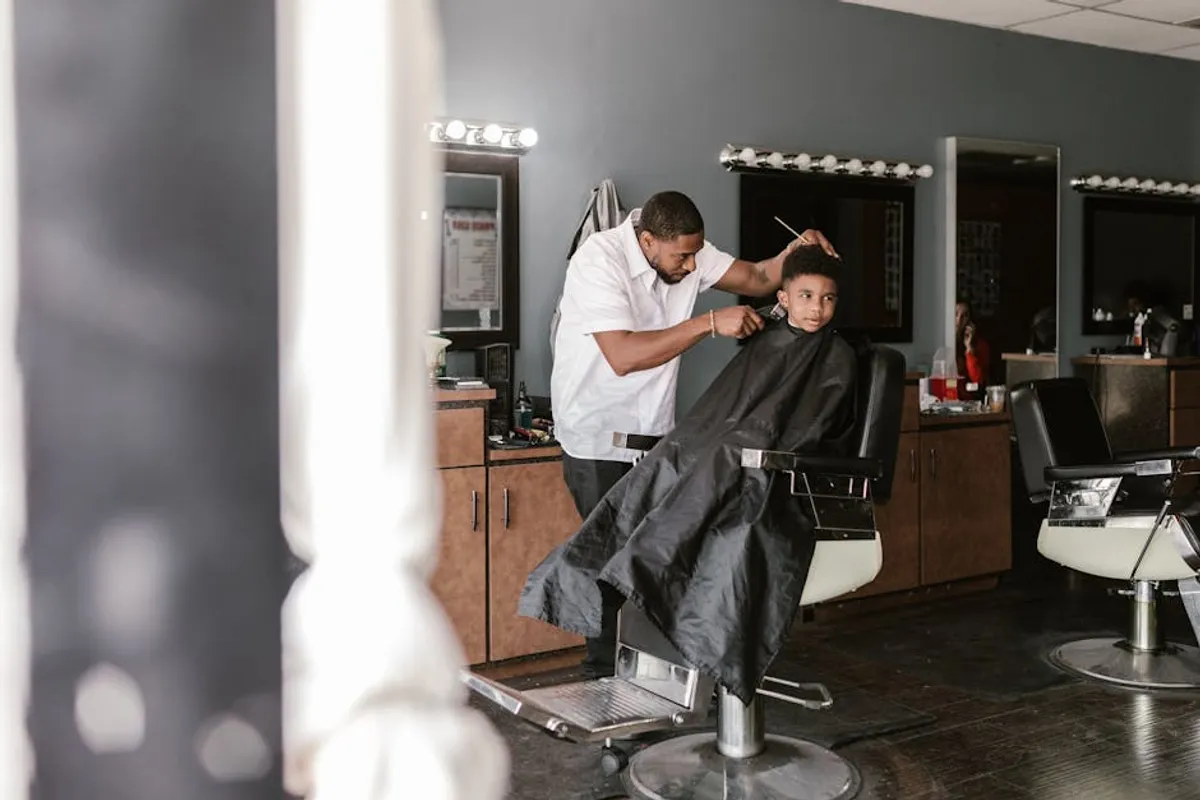
After exploring various styles, the final decision hinges on a few practical steps. First, open communication with a trusted barber or stylist is crucial. Bring reference photos of desired styles, but also be open to their professional advice regarding suitability for hair type and face shape. A good stylist can adapt a trend to fit individual characteristics, ensuring the cut enhances natural features rather than fighting against them. Discuss daily styling routines and product preferences; a style that looks great in the salon needs to be replicable at home with reasonable effort. Finally, consider the grow-out phase. Some cuts maintain their shape longer, while others require more frequent trims to stay sharp. Planning for these regular maintenance appointments ensures the chosen style always looks its best.
Frequently Asked Questions About Teen Haircuts
How often should a teen get a haircut?
The frequency depends heavily on the style chosen. Fades and sharp, short cuts (like the French crop or buzz cut) typically require trims every 2-4 weeks to maintain their crisp lines and shape. Longer styles or those that embrace natural texture (like the messy fringe or shag) can often go 4-8 weeks between cuts, allowing for a more relaxed grow-out.
What styling products are best for teen boys?
Product choice depends on the desired look and hair type. For volume and texture, matte clays or styling creams are effective. Pomades offer a shinier, slicker finish for styles like the pompadour or slick back. Gels provide strong hold but can sometimes create a stiff, crunchy feel. For natural, textured looks, sea salt sprays can enhance waves and add body without heavy residue.
How can a teen communicate their desired haircut to a barber?
Bring multiple reference photos from different angles. Be specific about desired length on top, sides, and back. Use terms like "fade," "taper," "undercut," "textured," or "clean lines." Discuss daily styling habits and how much effort they're willing to put in. A good barber will ask clarifying questions and offer advice based on hair type and face shape.
What if a teen wants a trendy haircut that might not suit them?
Encourage open discussion with the barber. A skilled stylist can often adapt a trendy style to better suit an individual's hair type, face shape, and lifestyle. For instance, a dramatic undercut can be softened with a slightly longer fade, or a very high quiff can be made more subtle. The goal is to find a balance between current trends and what genuinely looks good and is manageable.