Navigating the "wedding guest outfit ideas" content landscape requires a precise understanding of audience intent and commercial opportunity. This isn't merely about listing dresses; it's about identifying specific content niches that capture targeted search volume, address distinct user needs, and offer clear pathways to conversion. For SEO professionals, marketers, and publishers in the fashion space, the goal is to develop content pillars that resonate with users at various stages of the purchasing funnel, from initial inspiration to final selection. Each outfit idea category below represents a distinct content strategy, detailing its unique advantages, potential challenges, and strategic fit within a broader content ecosystem. The focus remains on actionable insights for content creation and optimization, ensuring that every piece of content serves both the user and the commercial objectives.
Strategic Approaches to Wedding Guest Outfit Content
Before diving into specific outfit categories, consider the underlying search behaviors and commercial implications. Users searching for wedding guest outfits often have specific constraints (e.g., season, location, formality, budget, body type) and are actively seeking solutions. Effective content segments these needs, providing tailored recommendations rather than generic advice. Prioritize evergreen topics that maintain relevance year-round, but also identify seasonal spikes and emerging trends. Content should aim to solve a problem, whether it's "what to wear to a beach wedding" or "elegant plus-size options." This problem-solution framework drives engagement and conversion, making content not just informative but commercially potent.
1. The Classic Cocktail Dress
This category targets a foundational and consistently high-volume search segment: users seeking reliable, elegant options for semi-formal and formal wedding events. The cocktail dress remains a perennial favorite due to its versatility and timeless appeal. Content in this area should focus on fabric choices, appropriate lengths, and styling accessories that elevate the look for different wedding settings. It offers broad appeal, making it a stable pillar for any fashion content strategy.
Best For: Sites with established authority in traditional women's fashion, those targeting evergreen search queries, and platforms with diverse affiliate partnerships across multiple price points. This segment suits content aiming for consistent, high-volume traffic.
Pros:
- High and stable search volume year-round.
- Diverse product availability from numerous retailers, facilitating strong affiliate opportunities.
- Evergreen content potential, requiring minimal updates over time.
- Broad appeal across various age groups and style preferences.
Cons:
- Extremely high competition from established publishers and retailers.
- Risk of producing generic content without a unique angle or specific styling focus.
- Requires continuous refreshment of featured products to maintain commercial relevance.
Verdict: A mandatory content category for any fashion publisher, but differentiation is key. Focus on specific styling guides, color trends, or sub-categories like "midi cocktail dresses" to carve out niche authority within this competitive space.
2. The Elegant Maxi or Midi Dress
Addressing the need for formality without the rigidity of a ball gown, maxi and midi dresses offer sophisticated alternatives, particularly for garden, outdoor, or less traditionally formal evening weddings. This category appeals to users seeking comfort, style, and a contemporary aesthetic. Content should differentiate between casual maxi dresses and those suitable for wedding guests, emphasizing fabric, embellishments, and silhouette.
Best For: Fashion sites catering to modern aesthetics, those with strong visual content capabilities, and platforms targeting users who prioritize comfort alongside elegance. Ideal for showcasing a wider range of styles beyond traditional formalwear.
Pros:
- Growing search interest as wedding styles evolve towards more relaxed elegance.
- Offers a broader range of styles and fabrics compared to traditional cocktail dresses.
- Strong visual appeal, lending itself well to image-heavy content and social promotion.
- Versatile for various wedding themes and seasons with appropriate styling.
Cons:
- Requires clear distinction between casual and formal options to meet user intent accurately.
- Potential for product overload, necessitating careful curation to avoid overwhelming users.
- Some users may perceive maxi/midi as less formal, requiring persuasive content on appropriate styling.
Verdict: A high-potential category for capturing evolving fashion preferences. Emphasize styling versatility and formality cues to guide user selection, positioning these dresses as chic, appropriate alternatives to conventional options.
3. Sophisticated Jumpsuits and Pant Suits
This category targets a discerning audience seeking modern, non-traditional wedding guest attire that combines elegance with a distinct fashion-forward edge. Jumpsuits and pant suits appeal to users who desire comfort, unique style, or a departure from dresses. Content needs to highlight appropriate fabrics, cuts, and accessories that elevate these pieces from everyday wear to wedding-appropriate ensembles.
Best For: Publishers focused on contemporary fashion, those targeting a younger demographic or users with a strong personal style, and platforms that can showcase diverse styling options. This niche offers strong differentiation from traditional dress-focused content.
Pros:
- Appeals to a growing segment of users looking for unique, non-dress options.
- Offers a strong opportunity for visual content featuring modern styling.
- Lower competition compared to traditional dress categories, allowing for easier niche authority building.
- High potential for showcasing full outfit looks, including accessories and footwear.
Cons:
- Smaller overall search volume compared to dress-centric queries.
- Requires careful selection of formal-appropriate styles to avoid casual misinterpretations.
- May necessitate more detailed sizing and fit guidance due to garment complexity.
Verdict: A strategic category for capturing trend-conscious users and diversifying content offerings. Focus on specific wedding types (e.g., "jumpsuits for a city wedding") and styling tips to maximize relevance and conversion.
4. Seasonal Attire: Spring/Summer Garden Wedding
This category addresses highly specific seasonal and venue-based search intent. Users are looking for lightweight, breathable fabrics, floral patterns, and brighter color palettes suitable for outdoor, daytime events. Content should emphasize fabric recommendations (e.g., linen, chiffon, cotton blends), appropriate footwear for grass, and sun-friendly accessories. This segment experiences predictable seasonal spikes in search volume.
Best For: Sites capable of producing timely, seasonal content, those with strong visual assets featuring outdoor settings, and platforms with affiliate relationships with brands specializing in resort wear or lighter formal attire. Ideal for capitalizing on cyclical traffic trends.
Pros:
- Predictable and significant seasonal search volume.
- Opportunity to feature vibrant colors and patterns, which perform well visually.
- Specific constraints (e.g., outdoor, heat) allow for targeted product recommendations.
- Strong cross-linking potential with related content like "best sandals for weddings."
Cons:
- Content has a shorter peak relevance window, requiring timely updates and promotion.
- High competition during peak season from other fashion publishers.
- Risk of featuring inappropriate fabrics or styles if not carefully curated for outdoor conditions.
Verdict: Essential for capturing seasonal traffic. Plan content creation and promotion cycles in advance to capitalize on peak demand. Focus on highly specific recommendations for fabric, footwear, and accessories tailored to garden or outdoor environments.
5. Seasonal Attire: Autumn/Winter Formal Wedding
This niche caters to users seeking warmer, more substantial attire for cooler weather and often more formal indoor events. Content should highlight heavier fabrics (e.g., velvet, brocade, wool blends), darker jewel tones, and options for layering (e.g., elegant wraps, tailored coats). The focus is on warmth, sophistication, and appropriate formality for colder seasons.
Best For: Publishers with strong relationships with brands offering luxury fabrics or formal outerwear, sites targeting users in cooler climates, and those aiming to provide comprehensive, year-round wedding guest attire guidance. Excellent for showcasing richer textures and deeper color palettes.
Pros:
- Consistent seasonal search volume for cooler months.
- Opportunity to feature luxurious fabrics and richer color schemes.
- Less competition for specific "winter wedding guest" queries compared to general categories.
- Strong potential for recommending complementary accessories like stoles, gloves, and closed-toe shoes.
Cons:
- Product availability may be more limited for specific formal winter styles.
- Requires careful consideration of warmth without sacrificing elegance.
- Content needs to address indoor vs. outdoor components of winter weddings.
Verdict: A valuable category for extending content relevance beyond spring/summer. Emphasize fabric quality, layering strategies, and color palettes that convey warmth and formality, positioning these options as both practical and stylish.
6. Destination Wedding Specifics (Beach, Tropical, Mountain)
This highly specialized category addresses the unique requirements of weddings held in distinct geographical and climatic locations. Users searching here have very specific needs: lightweight, packable, and weather-appropriate attire for beach, tropical, or mountain settings. Content must provide explicit guidance on fabrics, footwear, and formality levels that align with these unique venues.
Best For: Travel-oriented fashion publishers, sites with strong visual content featuring exotic locations, and those aiming to capture highly specific, long-tail search queries. This niche allows for highly targeted product recommendations and affiliate partnerships.
Pros:
- Extremely high conversion potential due to specific user intent.
- Lower competition for hyper-specific long-tail keywords.
- Opportunity to feature unique and visually appealing fashion.
- Strong cross-linking potential with travel and packing advice.
Cons:
- Lower overall search volume compared to general categories.
- Requires detailed knowledge of appropriate attire for diverse climates and cultural contexts.
- Product selection can be niche, potentially limiting affiliate options.
Verdict: A highly effective niche for capturing high-intent users. Develop distinct content pieces for each destination type (e.g., "what to wear to a beach wedding") rather than generic "destination wedding" guides to maximize relevance and conversion.
7. Cultural and Themed Wedding Attire
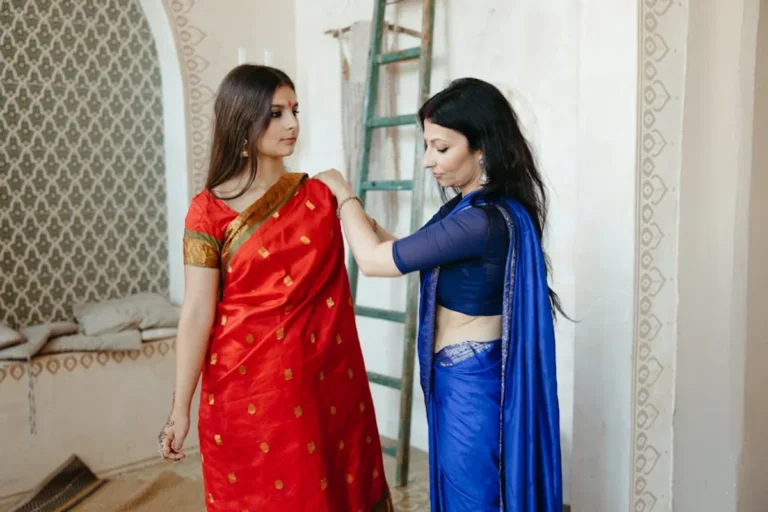
This category serves users attending weddings with specific cultural traditions or thematic requirements (e.g., vintage, bohemian, black-tie optional). Content must offer respectful and appropriate guidance, often requiring research into specific cultural dress codes or historical fashion trends. This niche taps into a desire for unique, personalized, and culturally sensitive outfit choices.
Best For: Publishers with a focus on diverse fashion, those willing to invest in cultural research, and sites aiming to provide inclusive and detailed guidance. This category builds trust and authority by addressing specific, often overlooked, user needs.
Pros:
- Builds strong authority and trust by addressing niche, sensitive topics.
- Opportunity to showcase unique and diverse fashion styles.
- Lower competition due to the specialized nature of the content.
- High engagement from users seeking specific, respectful guidance.
Cons:
- Requires careful research to ensure accuracy and cultural sensitivity.
- Product recommendations may be more challenging for highly specific cultural attire.
- Smaller search volume, but with high intent.
Verdict: A valuable category for demonstrating expertise and inclusivity. Focus on providing clear, respectful guidelines and offering specific examples of appropriate attire, potentially collaborating with cultural experts or stylists.
8. Plus-Size Wedding Guest Outfits
Addressing a significant and often underserved market segment, this category focuses on providing stylish, flattering, and comfortable options for plus-size wedding guests. Content should go beyond simply listing larger sizes, instead focusing on cuts, fabrics, and styling techniques that specifically cater to different body shapes within the plus-size demographic. This niche has strong commercial potential due to high demand and often frustrated searchers.
Best For: Publishers committed to inclusivity, those with strong relationships with plus-size fashion brands, and sites aiming to build a loyal audience by addressing specific fit and style challenges. This category offers significant opportunity for market differentiation.
Pros:
- High demand and often undersaturated content landscape.
- Opportunity to build strong trust and loyalty with a specific demographic.
- Directly addresses a common pain point for many users.
- Strong potential for affiliate partnerships with specialized plus-size retailers.
Cons:
- Requires a deep understanding of plus-size fashion trends and fit considerations.
- Product selection can be more limited compared to standard sizing.
- Content must be sensitive and empowering, avoiding tokenism or generic recommendations.
Verdict: A crucial and commercially viable category. Focus on empowering language, diverse model representation, and specific style advice that goes beyond basic size charts, highlighting brands known for their excellent plus-size offerings.
9. Maternity Wedding Guest Attire
This niche caters to pregnant individuals seeking comfortable, stylish, and appropriate outfits for wedding events. Content needs to consider evolving body shapes, comfort requirements, and the desire for elegance during pregnancy. Focus on adaptable styles, bump-friendly fabrics, and options that can be worn at various stages of pregnancy. This segment often involves urgent search intent as events approach.
Best For: Publishers with a focus on maternity fashion, those with affiliate partnerships with specialized maternity brands, and sites aiming to provide comprehensive solutions for specific life stages. This niche offers high-intent traffic from users with immediate needs.
Pros:
- High-intent search volume from users with specific, often urgent, needs.
- Opportunity to feature comfortable yet elegant styles.
- Less competition compared to general wedding guest categories.
- Strong potential for cross-promotion with other maternity-related content.
Cons:
- Product selection can be specialized and more limited.
- Requires a nuanced understanding of maternity fashion and comfort needs.
- Content must address different stages of pregnancy for optimal relevance.
Verdict: A valuable, high-intent niche. Prioritize comfort, adaptability, and style, showcasing options that make pregnant guests feel both beautiful and at ease. Highlight brands known for their quality maternity formalwear.
10. Budget-Friendly Wedding Guest Options
This category targets a substantial segment of users who need stylish wedding guest attire without exceeding a specific budget. Content should focus on affordable retailers, clever styling hacks, and options that look more expensive than they are. The emphasis is on value, smart shopping, and achieving an elegant look on a limited spend. This is a high-volume, high-intent segment with strong affiliate potential.
Best For: Publishers with a focus on accessible fashion, those with strong affiliate relationships with mass-market retailers, and sites aiming to provide practical solutions for a broad audience. This category drives significant traffic and conversions through price-conscious recommendations.
Pros:
- Very high search volume and broad appeal.
- Strong conversion rates due to clear user intent (price sensitivity).
- Opportunity to feature widely available products from popular retailers.
- Content can include styling tips to make affordable items look high-end.
Cons:
- Extremely high competition from other publishers and retailers.
- Risk of featuring low-quality products if not carefully curated.
- Requires constant monitoring of sales and promotions to maintain relevance.
Verdict: A critical category for capturing mass-market appeal. Focus on specific price points (e.g., "under $100"), highlight sales, and provide actionable tips for smart shopping to differentiate content in this crowded space.
11. Luxury and Designer Wedding Guest Looks
At the opposite end of the spectrum, this category caters to users seeking high-end, designer, or bespoke options for exclusive and formal weddings. Content should focus on premium fabrics, intricate detailing, renowned designers, and sophisticated styling. This niche targets a smaller but highly valuable audience with a higher average order value, offering strong potential for luxury affiliate commissions.
Best For: Publishers with an established luxury fashion authority, those with direct relationships or high-tier affiliate access to designer brands, and sites targeting affluent demographics. This category builds brand prestige and caters to discerning tastes.
Pros:
- Higher average order value and potential affiliate commissions.
- Opportunity to feature exclusive brands and high-quality visuals.
- Attracts a discerning audience with specific luxury search intent.
- Content can focus on timeless investment pieces and haute couture trends.
Cons:
- Significantly smaller search volume compared to budget or mid-range options.
- Requires deep knowledge of luxury brands, designers, and current collections.
- Affiliate partnerships may be more exclusive or require higher traffic thresholds.
Verdict: A strategic category for publishers aiming to cultivate a luxury audience and secure high-value conversions. Focus on editorial quality, exclusive insights, and curating truly exceptional pieces that justify the price point.
12. Sustainable and Ethical Wedding Guest Fashion
This emerging but growing category addresses the increasing demand for environmentally conscious and ethically produced clothing. Users here are actively seeking brands and styles that align with their values, prioritizing sustainability, fair labor practices, and transparency. Content should highlight eco-friendly fabrics, rental options, and brands with strong ethical credentials.
Best For: Publishers with a focus on ethical consumption, those aiming to attract a values-driven audience, and sites capable of researching and vetting sustainable brands. This niche offers significant opportunity for thought leadership and audience engagement.
Pros:
- Taps into a growing consumer trend and values-driven market segment.
- Opportunity to build strong brand reputation and trust through ethical content.
- Lower competition in a niche that is still developing.
- Strong potential for partnerships with ethical fashion brands and rental services.
Cons:
- Product availability may be more limited compared to conventional fashion.
- Requires thorough research to verify brand claims and avoid "greenwashing."
- Search volume is currently lower but is steadily increasing.
Verdict: A forward-thinking category with long-term growth potential. Position content as a guide to conscious consumption, offering practical alternatives like rentals or second-hand options, alongside recommendations for genuinely sustainable brands.
Optimizing Content for Wedding Guest Attire Searches
Effective content optimization for wedding guest attire involves more than just keyword stuffing. It requires a holistic approach that prioritizes user experience, visual appeal, and clear pathways to conversion. Implement structured data markup (e.g., product schema, FAQ schema) to enhance visibility in search results. Leverage high-quality, aspirational imagery that showcases outfits in relevant settings, as visual content is paramount in fashion. Internally link extensively between related outfit guides, seasonal recommendations, and accessory suggestions to build topical authority. Regularly update product recommendations, check for broken links, and refresh content with current trends to maintain commercial relevance and search performance. Monitor user engagement metrics, such as time on page and conversion rates, to identify successful content formats and areas for improvement.
Frequently Asked Questions
What keyword types are most effective for wedding guest attire content?
Effective keywords span broad terms like "wedding guest dresses" to highly specific long-tail queries such as "what to wear to a rustic outdoor fall wedding." Incorporate modifiers like "plus size," "maternity," "budget," "formal," "casual," and specific colors or fabrics to capture diverse intent.
How important is visual content for these topics?
Visual content is critical. High-quality images and videos showcasing outfits on models, in various settings, and with different styling options significantly enhance user engagement and conversion. Ensure images are optimized for web performance and include descriptive alt text.
Should content target specific brands or retailers?
Yes, targeting specific brands or retailers (e.g., "Nordstrom wedding guest dresses," "ASOS formal jumpsuits") can capture high-intent commercial traffic. Balance this with broader category content to maintain editorial independence and provide comprehensive options.
How often should wedding guest attire content be updated?