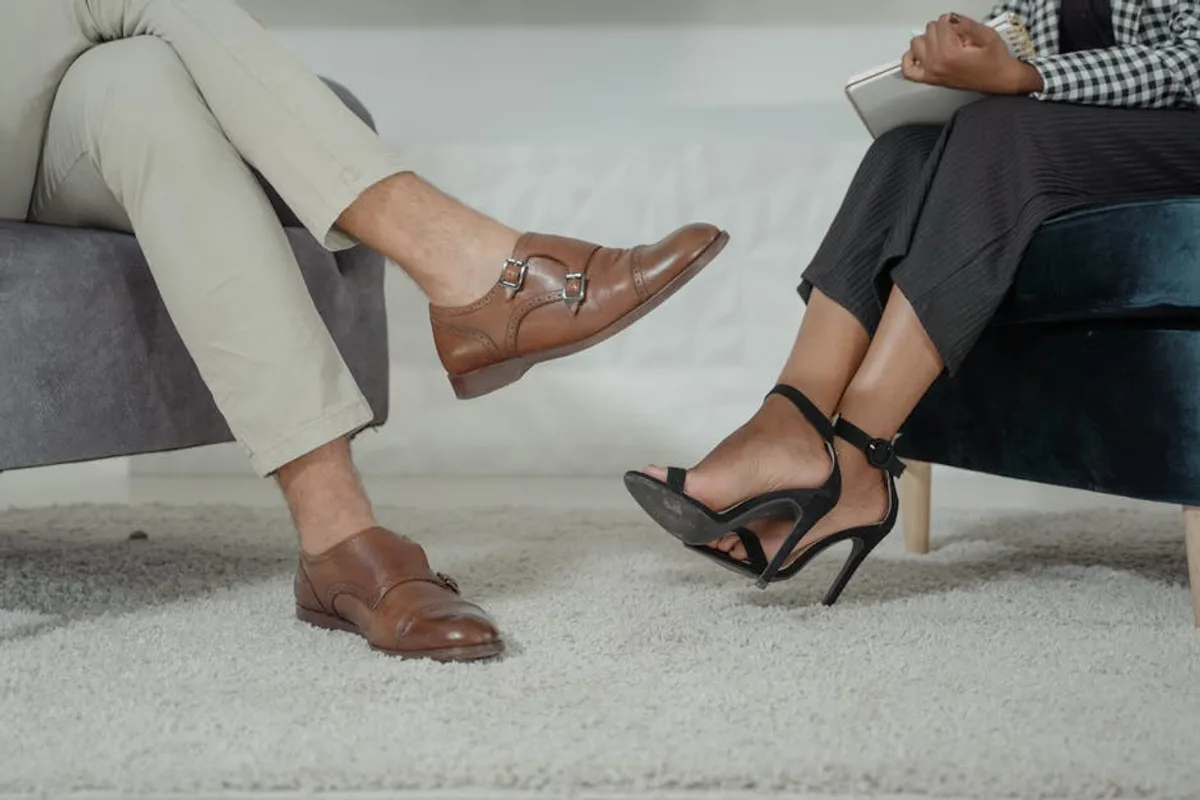
Selecting the ideal footwear extends beyond mere outfit coordination; it involves understanding how different silhouettes and proportions contribute to your overall aesthetic. Just as necklines or earring styles can enhance or soften facial features, the structure and visual weight of a heel can subtly influence how your entire look is perceived. This perspective shifts the focus from simply pairing shoes with clothes to creating a harmonious visual narrative that considers your unique facial contours. The goal is to achieve balance, echo natural lines, or introduce a complementary contrast that elevates your personal style, ensuring your footwear choice acts as a thoughtful extension of your individual presentation rather than an isolated accessory.
How to Harmonize Your Footwear with Your Facial Features
The principle of balancing footwear with facial features centers on visual harmony and proportion. Angular face shapes (square, diamond, heart) often benefit from heels that echo or soften their defined lines. Rounded or softer face shapes (round, oval) can find balance with heels that introduce structure or complement their gentle curves. Consider the visual weight: a delicate heel might be overwhelmed by a strong jawline, while a chunky heel could overpower a petite face. Think about the dominant lines in your face—sharp angles, soft curves, or elongated structures—and seek heel types that either mirror these lines for cohesion or provide a pleasing contrast for visual interest. This approach allows for a more integrated and intentional styling choice, where your shoes contribute to a unified personal brand.
1. Stiletto Heel
The stiletto heel is defined by its long, thin, and often sharply pointed structure, offering maximum elevation and a distinctly elegant, often dramatic, silhouette. Its slender profile creates an illusion of extended leg line and contributes to a poised, confident posture. Stilettos are typically found on pumps, sandals, and boots, ranging in height from moderate to extreme. Their visual impact is immediate and undeniable, making them a staple for formal events and power dressing due to their inherent sharpness and sophistication.
Best for: Square, Diamond, and Heart face shapes. The stiletto's sharp, angular lines and pointed tip can visually echo the defined jawlines of square faces or the chiseled cheekbones of diamond faces, creating a cohesive, sharp aesthetic. For heart-shaped faces, it can add a touch of drama that balances the wider forehead, drawing attention downwards with its elegant taper.
Pros: Unparalleled elegance and sophistication; significant height addition; creates a powerful, elongated silhouette; versatile for formal and professional settings.
Cons: Often challenging for extended wear due to weight distribution on the ball of the foot; less stable on uneven surfaces; can feel overly formal for casual environments.
Verdict: A definitive choice for those with angular or defined facial structures seeking to project an image of sharp elegance and confident authority. Its visual impact is undeniable, best reserved for occasions where making a strong, refined statement is paramount.
2. Block Heel
Characterized by its solid, often square or rectangular shape, the block heel provides a broad, stable base that distributes weight more evenly than thinner heel types. This design prioritizes comfort and stability without sacrificing significant height. Block heels vary in height and thickness, appearing on everything from casual sandals to dress boots. Their robust nature lends a contemporary, grounded feel to any ensemble, making them a versatile option for both day and evening wear.
Best for: Round and Oval face shapes. The substantial, stable nature of a block heel introduces a pleasing structural contrast to the softer curves of a round face, preventing the overall look from appearing too delicate. For oval faces, its balanced proportion complements their inherent versatility without overwhelming their harmonious features, offering a grounded yet stylish foundation.
Pros: Superior comfort and stability compared to stilettos; easier to walk in for longer periods; offers a modern, chic aesthetic; highly versatile for various outfits and occasions.
Cons: Can sometimes appear less formal than a stiletto; may add visual weight to the foot if not proportioned correctly with the shoe's design.
Verdict: An excellent choice for individuals with softer or balanced facial features who prioritize comfort and stability without compromising on contemporary style. It offers a practical yet fashionable solution for daily wear and events requiring extended standing.
3. Wedge Heel
The wedge heel is a solid, continuous piece of material that runs from the back of the shoe to the front, creating a seamless lift along the entire length of the foot. Unlike other heels, there's no gap between the heel and the sole, which provides maximum support and comfort. Wedges come in various heights and materials, from cork and espadrille for casual looks to leather-wrapped for more formal occasions. Their inherent stability makes them a popular choice for extended wear.
Best for: Round and Long face shapes. The continuous, flowing line of a wedge heel can beautifully echo the gentle contours of a round face, creating a harmonious and soft visual flow. For long or oblong faces, the solid, substantial base of a wedge can help balance the elongated facial structure by adding a grounded, proportional element to the lower body, preventing a top-heavy appearance.
Pros: Exceptional comfort and stability due to full foot support; elongates the leg line gracefully; versatile across casual, bohemian, and some semi-formal styles; generally easier to walk in than traditional heels.
Cons: Can sometimes appear bulky depending on the design and material; may not be suitable for highly formal or corporate environments where a more refined heel is preferred.
Verdict: An ideal option for those with softer or elongated facial features seeking comfort and a continuous, flowing aesthetic. It offers a practical yet stylish lift, particularly well-suited for warm-weather outfits and relaxed, elegant ensembles.
4. Kitten Heel
A kitten heel is a short, slender heel, typically between 1.5 to 2 inches in height, often with a slight curve and a pointed tip. It offers a subtle lift, providing a more comfortable and practical alternative to higher heels while still retaining an air of elegance and femininity. Kitten heels are frequently seen on slingbacks, pumps, and mules, evoking a retro-chic aesthetic that is both sophisticated and understated. They are designed for ease of movement and prolonged wear.
Best for: Oval and Heart face shapes. The delicate, subtle curve of a kitten heel complements the balanced proportions of an oval face, adding a touch of refined elegance without overwhelming its natural harmony. For heart-shaped faces, the dainty and slightly pointed nature of the kitten heel can echo the chin's taper, offering a graceful visual connection that balances the wider forehead without adding competing visual weight.
Pros: Comfortable for extended wear due to lower height; offers a sophisticated, vintage-inspired elegance; practical for professional settings and daily wear; easier to walk in than higher heels.
Cons: May not provide the dramatic height or visual impact desired by some; can sometimes be perceived as less "fashion-forward" depending on current trends.
Verdict: A perfect choice for individuals with balanced or delicate facial features who prioritize understated elegance and comfort. It delivers a polished look suitable for professional environments and occasions where subtle sophistication is key.
5. Cone Heel
The cone heel is characterized by its shape: wide at the top where it meets the shoe, and tapering down to a narrower point at the bottom. This architectural design creates a distinctive silhouette that is both stable and stylish. Cone heels can vary in height and thickness, offering a range of looks from moderately structured to dramatically pointed. They often add a contemporary and artistic touch to footwear, making them a choice for those seeking unique design elements.
Best for: Diamond and Heart face shapes. The tapering form of a cone heel can beautifully echo the narrowing lines of a diamond face towards the chin, or the pointed chin of a heart-shaped face, creating a cohesive visual flow. Its architectural quality provides structure that complements defined cheekbones or a broader forehead without being overly angular.
Pros: Offers a good balance of stability and style; unique and architectural aesthetic; provides a modern twist to classic shoe designs; generally more comfortable than stilettos.
Cons: The specific taper might not appeal to all tastes; can sometimes feel less formal than a stiletto for very dressy occasions; stability depends on the degree of taper and base width.
Verdict: An excellent option for those with defined or tapering facial features who appreciate a distinctive, architectural element in their footwear. It provides a stable yet stylish lift that adds a contemporary edge to an ensemble.
6. Spool Heel
Also known as a Louis heel, the spool heel features a distinctive hourglass or hourglass-like shape: wider at the top and bottom, and narrower in the middle. This curved, often ornate design evokes a vintage aesthetic, reminiscent of Rococo furniture or French court shoes. Spool heels typically range from medium to high in height and are often found on more decorative or historically inspired footwear, adding a touch of whimsical elegance and old-world charm.
Best for: Round and Oval face shapes. The gentle curves and rounded edges of a spool heel naturally complement the soft contours of a round face, enhancing a harmonious and feminine aesthetic. For oval faces, the elegant, slightly playful shape adds character without disrupting their inherent balance, offering a touch of vintage charm that aligns with versatility.
Pros: Unique, elegant, and vintage-inspired aesthetic; offers a distinctive design element; generally provides more stability than a stiletto due to wider base points.
Cons: Can be perceived as less modern or versatile for contemporary styling; the curved shape might not suit all personal style preferences; may be less common to find in mass-market footwear.
Verdict: A distinctive choice for individuals with softer or classic facial features who appreciate vintage charm and a graceful, feminine aesthetic. It's ideal for adding a unique, artistic touch to an outfit, particularly for special occasions or those with a penchant for retro fashion.
7. Platform Heel
A platform heel features a thick sole under the front part of the foot, which is then combined with a heel of varying height at the back. The platform reduces the overall incline of the foot, making very high heels more comfortable and wearable by effectively decreasing the "real" heel height. Platforms offer significant height and a bold, often dramatic, statement. They appear on everything from sandals and pumps to boots, lending a powerful and fashion-forward edge.
Best for: Square and Long face shapes. The substantial, bold presence of a platform heel provides a strong, grounded counterpoint that can balance the defined jawline of a square face, creating a powerful and cohesive look. For long or oblong faces, the added volume and height from a platform can visually shorten the overall silhouette, bringing better proportion to an elongated facial structure by adding weight to the lower half.
Pros: Offers significant height with increased comfort compared to non-platform heels of similar height; creates a bold, statement-making look; elongates the legs dramatically; provides stability due to the wider base.
Cons: Can feel heavy or bulky for some; potentially less versatile for very formal or understated occasions; requires careful consideration of overall outfit balance to avoid overwhelming the wearer.
Verdict: An excellent choice for those with strong or elongated facial features who desire dramatic height and a bold, fashion-forward statement. It provides a powerful foundation that commands attention while offering a surprising degree of comfort for its stature.
8. Flare Heel
The flare heel is characterized by its unique shape: it starts narrower at the top where it meets the shoe and then widens significantly towards the bottom, creating a flared or bell-like silhouette. This design often evokes a retro, 70s-inspired aesthetic, offering a playful yet sturdy alternative to more traditional heel shapes. Flare heels typically provide good stability due to their wider base and can range from moderate to high in elevation, adding a distinctive flair to various shoe styles.
Best for: Round and Oval face shapes. The gentle widening of a flare heel can beautifully complement the soft, expansive curves of a round face, creating a harmonious and balanced visual flow. For oval faces, its unique, slightly playful shape adds an interesting design element without disrupting their inherent versatility, offering a touch of retro charm that aligns with a balanced aesthetic.
Pros: Offers good stability due to wider base; unique and retro-inspired aesthetic; adds a distinctive, playful touch to an outfit; often more comfortable than very slender heels.
Cons: The flared shape might not appeal to all personal styles or suit all outfit types; can sometimes appear less formal than a straight or stiletto heel; less common than other heel types, potentially limiting choices.
Verdict: A distinctive choice for individuals with softer or balanced facial features who appreciate a retro-chic aesthetic and desire a stable yet stylish lift. It's ideal for adding a unique, fashion-forward touch to casual or bohemian-inspired ensembles.
9. Sculptural Heel
Sculptural heels are defined by their unconventional, artistic forms, often resembling miniature works of art rather than traditional support structures. These heels break away from standard geometric shapes, incorporating curves, cut-outs, abstract designs, or unique materials. They are typically found on high-fashion or designer footwear, serving as a focal point and demonstrating creative craftsmanship. Their primary purpose is aesthetic innovation, making a bold statement.
Best for: Diamond and Heart face shapes. The unique, often angular or dramatically curved lines of a sculptural heel can brilliantly echo the defined cheekbones of a diamond face or the sharp chin of a heart-shaped face, creating a sophisticated, avant-garde connection. These heels complement facial structures that already possess a strong, distinctive character, enhancing a cohesive, artistic presentation.
Pros: High fashion appeal, makes a strong artistic statement; unique and eye-catching; showcases craftsmanship and design innovation; can elevate a simple outfit to a high-fashion look.
Cons: Often less practical for daily wear due to intricate designs or delicate materials; can be less stable depending on the specific construction; typically higher in price point; may not be versatile for all occasions.
Verdict: An exceptional choice for those with defined or dramatic facial features who embrace avant-garde fashion and seek to make a bold, artistic statement with their footwear. It's best suited for special events or when the goal is to showcase unique personal style and design appreciation.
10. Chunky Heel
A chunky heel is a broad, substantial heel that offers significant visual weight and stability. Similar to a block heel but often thicker and more robust, it provides a grounded, powerful aesthetic. Chunky heels can be found on a wide range of footwear, from boots and loafers to sandals, and vary in height. Their solid construction makes them highly practical for comfort and balance, while their bold presence adds a utilitarian yet stylish edge to an outfit, often associated with a confident, grounded look.
Best for: Square and Round face shapes. The substantial, solid nature of a chunky heel provides a strong, balanced anchor that can beautifully complement the defined jawline of a square face, creating a cohesive and powerful overall silhouette. For round faces, its robust structure introduces a pleasing contrast to softer curves, providing a grounded element that prevents the look from becoming too delicate or ethereal.
Pros: Excellent stability and comfort for extended wear; offers a strong, grounded aesthetic; versatile for both casual and semi-formal looks; generally durable and supportive.
Cons: Can sometimes appear heavy or less refined than slender heels; may not be suitable for very formal or delicate outfits; its visual weight requires careful outfit pairing to maintain balance.
Verdict: An ideal option for individuals with strong or softer facial features who prioritize comfort, stability, and a confident, grounded aesthetic. It's a practical yet stylish choice for everyday wear and occasions where a robust, dependable heel is desired.
Choosing the Right Heel Type for Your Personal Style
While aligning heel types with face shapes offers a nuanced approach to styling, the ultimate decision rests on personal comfort, the occasion, and your overall aesthetic preferences. Consider how a heel type integrates with your existing wardrobe and the message you wish to convey. For daily wear, prioritize comfort and practicality; for special events, explore options that make a statement. Experimentation is key—try on different heel types and observe how they make you feel and how they visually interact with your entire silhouette. The goal is to find a balance between these guidelines and your unique expression, ensuring your footwear choice enhances your confidence and personal brand.
Frequently Asked Questions About Heel Types and Styling
Q: Can I wear any heel type regardless of my face shape?
A: Absolutely. These recommendations are guidelines for achieving visual harmony, not strict rules. Personal style, comfort, and occasion always take precedence. The aim is to offer a new perspective on how elements across your look can subtly complement each other.
Q: How do I know my face shape?
A: Stand in front of a mirror with your hair pulled back. Trace the outline of your face on the mirror with a marker or lipstick. Compare the shape to common categories: oval (balanced), round (soft, full cheeks), square (strong jaw, wide forehead), heart (wider forehead, pointed chin), long (elongated), or diamond (narrow forehead/jaw, wide cheekbones).
Q: Does heel height matter when considering face shape?
A: Heel height primarily affects overall proportion and perceived leg length. While the shape of the heel (stiletto, block, wedge) is more directly linked to echoing facial lines, extreme heights can alter your silhouette, which in turn influences the overall balance. Consider how the height impacts your comfort and the formality of your look in conjunction with the heel's style.
Q: Should I match the color of my heels to my outfit or my face shape?
A: Heel color should primarily complement your outfit and the occasion. The connection to face shape is about the heel's structural form and visual weight, not its color. However, a neutral-colored heel can offer more versatility, allowing the shape to speak for itself without color distraction.
Q: Are there universal heel types that suit everyone?
A: Block heels and kitten heels are often considered highly versatile due to their balance of comfort and style. They offer moderate height and stability, making them adaptable to various face shapes and personal styles without making an overly aggressive statement. Their balanced proportions tend to integrate well with most body types and facial structures.