Selecting a short haircut involves more than just current trends; the most impactful choices align with individual facial structure. The right short cut can enhance bone structure, soften angles, or add volume where needed, creating a balanced and flattering aesthetic. Conversely, an ill-suited short style can inadvertently emphasize features you'd prefer to minimize or disrupt facial symmetry. This guide details specific short haircut styles and their suitability for various face shapes, providing practical insights for making an informed decision that complements your unique features. This guide details specific short haircut styles and their suitability for various face shapes, providing practical insights for making an informed decision that complements your unique features and offers short haircut styles for face shapes.
Key Considerations for Short Haircuts
Before committing to a short haircut, assess several factors beyond just your face shape. Hair texture, density, and growth patterns significantly influence how a style will lay and behave. Fine hair may benefit from blunt cuts to create an illusion of thickness, while thick hair often requires strategic layering to reduce bulk and add movement. Wavy or curly textures can lend themselves to softer, more diffused short styles, whereas straight hair might highlight the precision of a sharp bob or pixie. Consider your daily styling routine and commitment level; some short cuts demand regular trimming and specific product use to maintain their shape, while others are lower maintenance. Lifestyle also plays a role – a highly active individual might prioritize wash-and-go styles, for example. Understanding these elements in conjunction with your face shape ensures a practical and aesthetically pleasing outcome.
1. The Classic Pixie Cut
The classic pixie cut is characterized by short sides and back, with slightly longer hair on top, often styled forward or with a subtle side part. Its appeal lies in its bold simplicity and ability to highlight facial features, particularly the eyes and cheekbones. This cut demands confidence and minimal styling, making it a powerful statement. The precise lines and close-cropped sides offer a clean, modern aesthetic that can be adapted with varying lengths on top for different effects.
Best for: Oval, Heart, and Square face shapes. For oval faces, it beautifully accentuates natural symmetry. Heart-shaped faces benefit from the volume on top, balancing a narrower chin. Square faces can soften jawlines with slightly longer, wispy pieces around the temples.
Pros: Extremely low maintenance for daily styling, quick drying time, highlights facial features, projects confidence, and can appear very sophisticated. It's excellent for showcasing delicate jewelry or high necklines.
Cons: Requires frequent trims (every 4-6 weeks) to maintain shape. Limited styling versatility compared to longer cuts. Less forgiving on round or long face shapes without specific modifications (e.g., adding height or side-swept bangs).
Verdict: A definitive choice for those seeking a sharp, chic, and easy-to-manage style that puts facial features at the forefront, particularly effective on balanced or angular face shapes.
2. The Graduated Bob
The graduated bob, also known as an A-line bob or stacked bob, features a shorter back that gradually lengthens towards the front, often with stacked layers at the nape to create volume and a distinct silhouette. This cut offers a dynamic profile and a sense of structured movement. The precise angle and layering are crucial for its signature shape, providing lift and a modern edge.
Best for: Round, Oval, and Heart face shapes. The forward-leaning length helps to visually elongate round faces. Oval faces are flattered by its versatility. For heart shapes, the volume at the back can balance the upper face, while the front pieces can soften the chin.
Pros: Creates significant volume and shape, particularly at the crown. The longer front pieces can frame the face and provide styling options. Appears polished and sophisticated, suitable for professional environments.
Cons: Requires skilled cutting to achieve the correct graduation and stacking. Can appear overly severe if not tailored to face shape. Maintenance involves regular trims to preserve the angle and prevent the back from flattening.
Verdict: An excellent option for adding structure and volume to fine or straight hair, offering a sophisticated frame that can visually slim rounder faces and complement balanced oval shapes.
3. The French Bob
The French bob is a shorter, often chin-length bob characterized by its blunt cut and typically paired with short, full bangs that graze the eyebrows. It exudes an effortless, chic aesthetic with a slightly undone quality. The cut often sits just above the jawline, emphasizing the neck and collarbones, and is frequently styled with a natural texture or a subtle wave.
Best for: Oval, Heart, and Square face shapes. Oval faces are ideally suited due to their inherent balance. Heart-shaped faces can use the fringe to balance the forehead. Square faces benefit from the bluntness softening the jawline, especially if the ends are slightly turned in.
Pros: Timeless and stylish, offers a youthful appearance, and the bangs can draw attention to the eyes. It's relatively low-maintenance for styling, often requiring only air-drying or minimal effort to enhance natural texture.
Cons: The blunt bangs require regular trimming to maintain their length and shape. May not be ideal for very thick or unruly hair without significant texturizing. Can appear too severe on long or very round faces without specific modifications.
Verdict: A classic, elegant choice for those seeking a stylish, low-fuss look that frames the face with a distinct fringe, particularly effective on balanced or angular features.
4. The Textured Crop
The textured crop features short sides and back with a longer, often disconnected top section that is heavily layered and texturized. The top is typically styled forward, creating a messy, modern, and youthful appearance. The emphasis is on movement and a slightly disheveled yet intentional look, often achieved with matte styling products.
Best for: Oval, Square, and Diamond face shapes. The volume and texture on top can add height, elongating oval faces. For square faces, the softness of the textured top can contrast and soften a strong jawline. Diamond faces benefit from the width created by the textured top, balancing a narrower forehead and jaw.
Pros: Highly versatile for styling, allowing for different levels of messiness or neatness. Adds volume and dimension, especially beneficial for finer hair. Modern and fashionable, requiring minimal daily effort for a stylish look.
Cons: Regular trims are essential to maintain the crispness of the sides and the texture on top. May not suit very formal environments without careful styling. Can require specific texturizing products to achieve the desired finish.
Verdict: An adaptable and contemporary short cut that offers significant styling flexibility and a youthful edge, particularly effective for adding balance and softness to angular or elongated features.
5. The Shag with Short Layers
A modern take on the classic shag, this version incorporates shorter, choppier layers throughout the crown and sides, often paired with a fringe or curtain bangs. The cut is designed to create volume, texture, and a sense of effortless rock-and-roll chic. It emphasizes natural movement and can be adapted to various hair textures.
Best for: Oval, Long, and Heart face shapes. The layers around the face add width, which can be beneficial for long faces to create balance. Oval faces are flattered by its versatility. For heart shapes, the layers and bangs can soften the forehead and chin.
Pros: Excellent for adding volume and texture to flat or fine hair. Low-maintenance styling, often looking best with natural waves or air-drying. The layers can remove bulk from thicker hair. Very adaptable to different hair types and ages.
Cons: Can appear messy or unkempt if not cut and styled correctly. Requires a stylist skilled in layering techniques. Regular trims are needed to maintain the integrity of the layers and prevent split ends.
Verdict: A dynamic and versatile short cut that excels at creating volume and texture, offering a stylish, low-effort aesthetic that can effectively balance and soften a range of facial structures.
6. The Asymmetrical Bob
The asymmetrical bob features one side significantly longer than the other, creating a dramatic and modern silhouette. This cut often incorporates a deep side part to emphasize the difference in length. It's a bold choice that adds an element of intrigue and can be highly flattering by drawing attention to specific features.
Best for: Round, Oval, and Square face shapes. The diagonal lines and varying lengths can create the illusion of elongation for round faces. Oval faces are flattered by its unique edge. For square faces, the asymmetry helps to soften and distract from a strong jawline.
Pros: Creates a strong fashion statement and a unique, modern look. Can visually slim and elongate the face due to its diagonal lines. Offers versatility in styling, from sleek to textured. Draws attention to the neckline and shoulders.
Cons: Requires precise cutting to achieve the desired asymmetry. Regular trims are crucial to maintain the distinct lines and prevent it from growing out unevenly. May not suit those who prefer a more traditional or symmetrical aesthetic.
Verdict: A striking and contemporary short cut that offers a unique visual interest and can effectively add angles and elongation, particularly beneficial for rounder or more angular face shapes seeking a modern edge.
7. The Long Pixie (Bixie)
The "Bixie" is a hybrid cut blending the short, layered elements of a pixie with the longer length and versatility of a bob. It typically features a shorter back and sides, with significantly longer layers on top and around the face, often extending to the chin or jawline. This style offers the best of both worlds: the lightness of a pixie with the styling options of a bob.
Best for: Oval, Long, and Heart face shapes. The longer layers around the face can add width and softness, balancing long faces. Oval faces are universally flattered. For heart shapes, the volume on top and softer layers around the chin can create harmony.
Pros: More styling versatility than a classic pixie, allowing for updos, half-ups, or various partings. Offers a softer, less dramatic transition to short hair. Can be adapted to various hair textures, providing volume and movement.
Cons: Requires more styling effort than a very short pixie. Regular trims are still necessary to maintain the shape and prevent the longer layers from looking straggly. Can appear shapeless if not cut with appropriate layering.
Verdict: An adaptable and stylish short cut that provides the lightness of a pixie with enhanced styling flexibility, making it an excellent choice for those wanting a softer short look that can balance longer or more angular features.
8. The Undercut Pixie
The undercut pixie features hair on the sides and/or back that is shaven or cut very short beneath a longer top section. This creates a dramatic contrast in lengths and can add an edgy, modern flair. The longer top section offers versatility for styling, from sleek and defined to voluminous and textured.
Best for: Oval, Square, and Diamond face shapes. The contrast of lengths can add interest and definition to oval faces. For square faces, the softness of the longer top can balance a strong jawline, while the undercut adds an edgy element. Diamond faces benefit from the volume on top balancing the forehead.
Pros: Highly customizable with varying lengths and designs in the undercut section. Offers a bold, contemporary aesthetic. Can remove significant bulk from thick hair, making it lighter and easier to manage. The longer top allows for more styling options.
Cons: Requires regular maintenance to keep the undercut clean and defined. May not be suitable for conservative professional environments. Growing out an undercut can be a challenging process, requiring patience and strategic styling.
Verdict: A daring and modern short cut that offers significant creative expression and can effectively balance facial features with its contrasting lengths, best for those seeking an edgy, high-impact style.
9. The Blunt Bob
The blunt bob is cut to a single, uniform length all around, typically falling between the chin and shoulders, without layers. This precise, sharp cut creates a strong, clean line that emphasizes the jawline and neck. It projects a sleek and sophisticated image, often styled very straight to highlight its defined perimeter.
Best for: Oval, Long, and Square face shapes. For long faces, a chin-length blunt bob can add width and reduce perceived length. Oval faces are perfectly suited. Square faces can benefit from the strong, clean line creating a sophisticated frame, especially if the length falls below the jaw.
Pros: Creates an illusion of thickness, making it excellent for fine hair. Appears polished, sophisticated, and modern. Requires minimal styling to maintain its shape if hair is naturally straight. Highlights the jawline and neck beautifully.
Cons: Can appear too severe on round faces, emphasizing their roundness. Requires regular trims to maintain the sharp, blunt line. Less forgiving on hair with significant natural texture or frizz without extensive heat styling.
Verdict: A timeless and impactful short cut that offers a sleek, sophisticated aesthetic and can enhance density in finer hair, particularly effective for balancing longer faces and framing angular features with precision.
10. The Buzz Cut
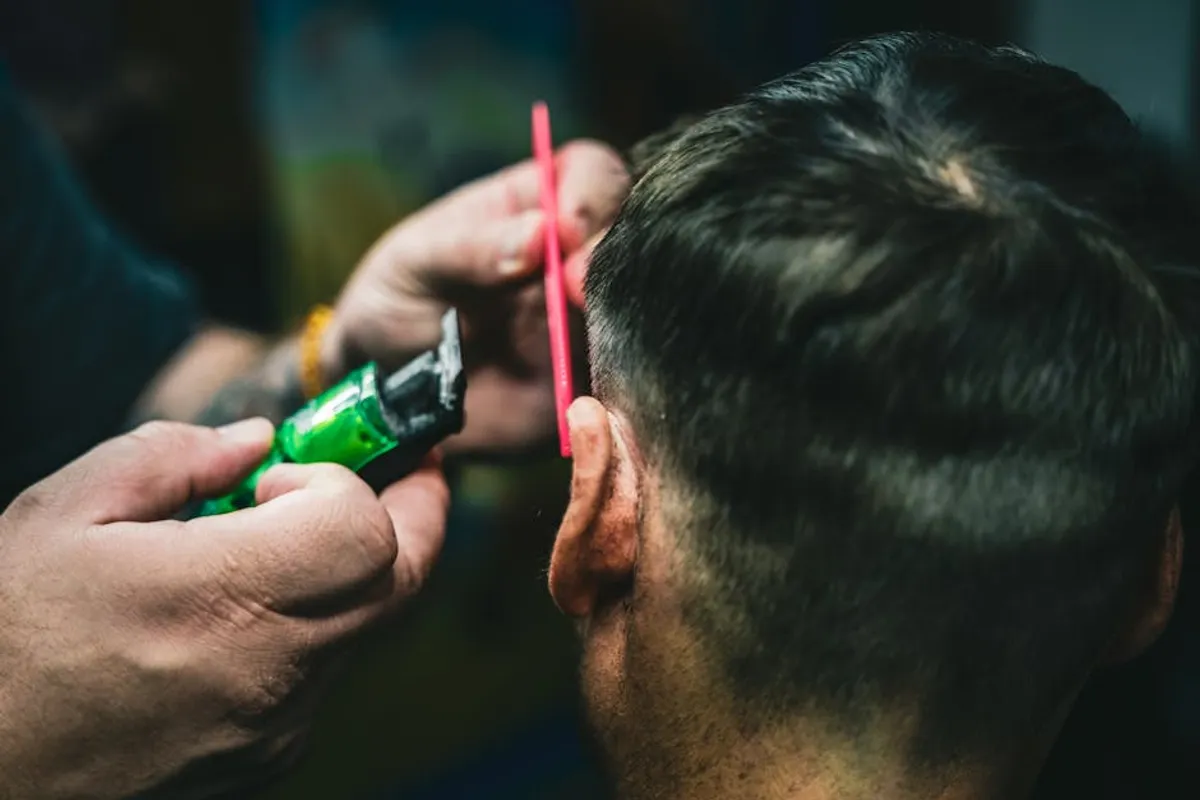
The buzz cut is the shortest of all short haircuts, where hair is cropped to a uniform, very short length all over the head using clippers. This style is a bold statement of confidence, highlighting the entire facial structure and head shape. It is the epitome of low maintenance.
Best for: Oval, Diamond, and Heart face shapes. Oval faces are ideal due to their balanced proportions, allowing the buzz cut to showcase their natural symmetry. Diamond faces can carry the boldness well, as it emphasizes their strong cheekbones. For heart shapes, it can highlight the eyes and cheekbones.
Pros: Extremely low maintenance, requires no styling products or effort. Quickest drying time. Can be liberating and empowering. Excellent for showcasing facial features and bone structure. Ideal for those seeking a fresh start or to minimize hair care.
Cons: Offers no styling versatility. Highlights any imperfections in head shape or scalp. Requires frequent clippering to maintain its uniform short length. Can be a significant commitment and a dramatic change.
Verdict: The ultimate low-maintenance short cut that makes a powerful statement, best suited for those with balanced facial features and a confident demeanor who prioritize ease and a minimalist aesthetic.
11. The Bowl Cut (Modernized)
The modern bowl cut is a refined version of its classic predecessor, featuring a uniform length cut horizontally around the head, often with soft internal layers or a slightly disconnected perimeter to add movement and prevent it from looking too heavy. It can be styled sleek or with texture, often paired with a soft fringe.
Best for: Oval, Long, and Heart face shapes. For long faces, the horizontal line of the bowl cut can add width, reducing perceived length. Oval faces are well-suited. Heart shapes can use the fringe to balance the forehead and the overall shape to soften the chin.
Pros: Creates a distinctive, fashion-forward look. Can add volume and density to fine hair. The fringe can draw attention to the eyes. Offers a unique blend of retro charm and modern edge.
Cons: Requires precise cutting to achieve the correct shape and avoid a helmet-like appearance. Can be challenging to grow out gracefully. May not be suitable for very thick or curly hair without significant texturizing, as it can appear bulky.
Verdict: A bold and artistic short cut that offers a unique silhouette and can effectively add width and a statement fringe, particularly beneficial for balancing longer or more angular facial features when executed with modern softness.
12. The Pixie Bob
The pixie bob, distinct from the Bixie, leans more towards a pixie in the back and sides but maintains a longer, bob-like length around the face and crown. It's often characterized by a more pronounced transition from short to long, with the front pieces typically reaching the chin or jawline. This cut provides a softer frame than a traditional pixie while retaining its ease of wear.
Best for: Round, Oval, and Heart face shapes. The longer pieces around the face can visually elongate round faces. Oval faces are universally flattered. For heart shapes, the softer, longer front pieces can balance a wider forehead and narrower chin.
Pros: Offers the lightness and ease of a pixie with the face-framing benefits of a bob. More versatile for styling than a classic pixie, allowing for tucking behind ears or soft waves. Can soften angular features and add volume where needed.
Cons: Requires regular trims to maintain the specific length transitions and prevent it from looking overgrown. May require some daily styling to keep the longer front pieces in place. Can be less dramatic than a full pixie.
Verdict: A versatile and flattering short cut that combines the practical benefits of a pixie with the softening, face-framing qualities of a bob, making it an excellent choice for those seeking a stylish yet manageable short style.
Selecting the Optimal Short Haircut
Choosing the right short haircut involves a multi-faceted approach, moving beyond simply identifying your face shape. While understanding whether your face is oval, round, square, heart, long, or diamond provides a foundational guide, the ultimate selection depends on several nuanced factors. First, consider your hair's natural texture and density. Fine hair often benefits from blunt cuts or strategic layering to create an illusion of fullness, while thick hair might require significant texturizing to reduce bulk and enhance movement. Wavy or curly hair can embrace softer, more diffused short styles, whereas straight hair can highlight the precision of sharp lines. Second, assess your lifestyle and daily styling commitment. A demanding career or active routine might favor wash-and-go styles, while someone with more time for styling can explore options requiring more intricate product use or heat application. Third, bring reference photos to your stylist, but remain open to their professional interpretation. A skilled stylist can adapt a desired look to your specific features, hair type, and growth patterns, ensuring the cut not only complements your face but also works with your hair's natural tendencies. Finally, consider the grow-out process. Some short cuts have more gracious grow-out phases than others, which is an important practical consideration for long-term satisfaction.
Frequently Asked Questions
Q: How do I accurately determine my face shape?
A: To determine your face shape, pull your hair back and stand in front of a mirror. Use a washable marker or lipstick to trace the outline of your face. Alternatively, take a photo and trace the outline on your screen. Observe the widest points (forehead, cheekbones, jawline) and the overall length and curvature to identify if it's oval, round, square, heart, long, or diamond. You can also measure your forehead, cheekbones, jawline, and face length for a more precise assessment.
Q: Can I get a short haircut if I have very thick hair?
A: Absolutely. Thick hair can be beautifully managed and styled short. The key is strategic layering and texturizing to remove bulk and create movement. Styles like a graduated bob, a layered pixie, or a modern shag can work exceptionally well, as they are designed to handle and enhance volume. Discuss with your stylist how to avoid a "helmet-like" appearance and ensure the cut works with your hair's natural weight.
Q: What if I have a double chin? Can a short haircut still be flattering?
A: Yes, certain short haircuts can be very flattering. The goal is to draw attention upwards towards your eyes and cheekbones, and to create vertical lines that elongate the neck. Styles with volume on top, side-swept bangs, or longer pieces around the face (like a pixie bob or an A-line bob) can be effective. Avoid blunt cuts that end precisely at the chin, as these can emphasize the area. A skilled stylist can recommend specific lengths and angles to create a more flattering silhouette. A skilled stylist can recommend specific lengths and angles to create a more flattering silhouette and provide flattering short haircut ideas.
Q: How often do I need to trim a short haircut?
A: Short haircuts generally require more frequent trims than longer styles to maintain their shape and precision. Most short cuts benefit from a trim every 4 to 8 weeks. Pixie cuts and blunt bobs, which rely on sharp lines, often need maintenance every 4-6 weeks. Layered styles or bobs with softer edges might extend to 6-8 weeks. Regular trims are crucial for preventing the style from looking overgrown or losing its intended form.
Q: Is it difficult to style short hair?
A: It depends on the cut and your hair type. Many short haircuts are designed for ease of styling, offering a "wash-and-go" appeal. However, some precision cuts, especially those with specific angles or volume requirements, may need a bit more effort with products or heat styling to maintain their intended look. Generally, short hair dries faster and requires less product than long hair. Your stylist can provide specific styling tips and product recommendations tailored to your chosen cut.