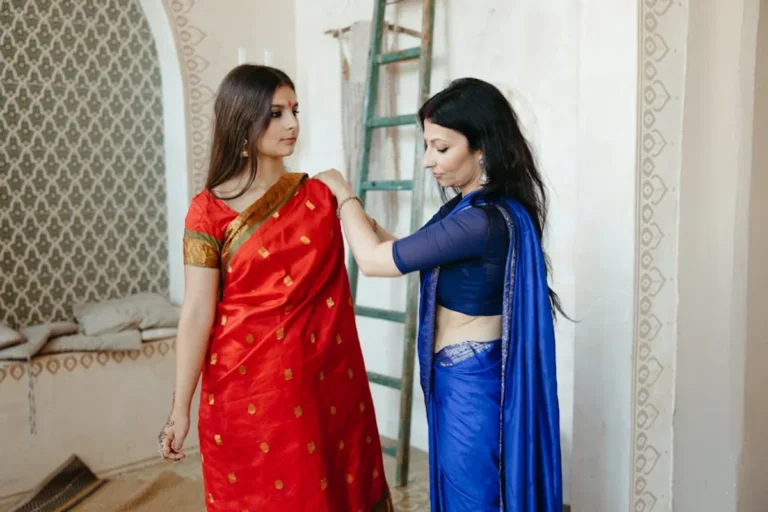
When aspiring designers consider fashion education, the focus often centers on broad disciplines like haute couture or ready-to-wear. However, for those aiming to specialize in areas demanding a nuanced understanding of individual physical characteristics – from bespoke tailoring that accounts for unique body proportions to accessory design where face shape dictates optimal eyewear or headwear – selecting the right institution becomes critical. This guide examines leading fashion schools worldwide, highlighting programs and philosophies that equip students to address diverse aesthetic needs, moving beyond generic design principles to cultivate expertise in highly personalized fashion applications.
What to Prioritize in a Specialized Fashion Program
Choosing a fashion school for a highly specific design focus, such as one that emphasizes individual client features like face shape, requires looking beyond general prestige. Prioritize institutions with robust programs in areas like:
- Accessory Design: Eyewear, millinery, and jewelry design inherently require an understanding of facial structure and proportions. Look for schools offering dedicated tracks or strong faculty in these areas.
- Bespoke & Custom Design: Programs focused on made-to-measure garments, theatrical costume, or personal styling often train students in detailed client analysis, including how necklines, collars, and garment silhouettes interact with various body and face types.
- Advanced Pattern Making & Draping: Mastery of these technical skills allows designers to manipulate fabric and form to complement specific features, crucial for achieving personalized fit and aesthetic harmony.
- Interdisciplinary Studies: Schools encouraging cross-disciplinary exploration (e.g., fashion with product design, beauty, or ergonomics) can provide a broader toolkit for addressing complex design challenges related to human form.
- Industry Connections in Niche Markets: Institutions with ties to bespoke ateliers, independent accessory brands, or personal styling agencies offer invaluable internship and mentorship opportunities.
1. Central Saint Martins, University of the Arts London (CSM)
CSM is globally recognized for its avant-garde approach and fostering conceptual design. While not explicitly focused on "face shapes" as a standalone module, its rigorous curriculum in areas like jewelry design, millinery, and bespoke tailoring within its BA and MA Fashion programs provides a foundation for understanding how accessories and garment construction interact with individual features. The school's emphasis on creative freedom and pushing boundaries encourages students to explore highly personalized design solutions, making it suitable for those who wish to develop unique perspectives on individual aesthetics. Graduates are known for their strong conceptual voice and technical proficiency, which are transferable to niche areas requiring detailed anatomical understanding.
Best for: Conceptual accessory design, bespoke garment innovation, pushing aesthetic boundaries.
Pros: Unparalleled global reputation, strong industry connections, highly innovative curriculum, diverse international faculty and student body.
Cons: Extremely competitive admission, intensely demanding environment, high tuition costs, conceptual focus may not suit all commercial aspirations.
Verdict: An elite choice for designers aiming to redefine fashion with a strong individual vision, particularly those interested in accessory or bespoke design where understanding unique physical attributes is key.
2. Parsons School of Design, The New School
Parsons, based in New York City, offers a comprehensive fashion curriculum with a strong emphasis on sustainability, technology, and social responsibility. Its BFA and MFA programs encourage students to develop a unique design identity while engaging with real-world industry challenges. While not directly offering "face shape" specific courses, Parsons’ focus on personalized design, digital fabrication, and accessory design (including eyewear and jewelry) provides avenues for students to explore how design elements interact with individual physical characteristics. Its urban location offers ample opportunities for internships in styling, bespoke services, and accessory brands that cater to diverse client needs.
Best for: Sustainable design, tech-integrated fashion, accessory design, personal branding.
Pros: Strong reputation, excellent industry network in New York, emphasis on innovation and social impact, diverse program offerings including fashion studies and management.
Cons: High tuition and living costs, large class sizes in some programs, can be less focused on traditional couture techniques.
Verdict: Ideal for designers seeking a forward-thinking education with strong industry ties, particularly those interested in how technology and personalized design can address individual aesthetic requirements.
3. Fashion Institute of Technology (FIT)
FIT, part of the State University of New York, is renowned for its career-focused approach and direct pipeline to the fashion industry. Its extensive range of programs, including Accessory Design, Jewelry Design, and Fashion Styling, directly addresses areas where understanding different facial structures and body types is crucial. FIT's curriculum combines practical skills with theoretical knowledge, preparing students for specific roles in the industry. The emphasis on technical proficiency in patternmaking, draping, and garment construction also equips designers to create bespoke or customized pieces that flatter individual features effectively.
Best for: Practical skills, accessory design, fashion styling, direct industry employment.
Pros: Strong industry connections and internship opportunities in NYC, wide array of specialized programs, relatively affordable tuition for in-state students, strong alumni network.
Cons: Can be less conceptually driven than some art-school counterparts, large student body, intense competition for top internships.
Verdict: An excellent choice for students prioritizing a hands-on, career-oriented education with direct applications in accessory design, styling, and bespoke fashion, especially within the New York market.
4. Istituto Marangoni
With campuses in fashion capitals like Milan, Paris, London, and Florence, Istituto Marangoni offers a global perspective on fashion education. Known for its strong ties to luxury brands and emphasis on Italian craftsmanship, the school provides programs in Fashion Design, Styling, and Accessory Design. Their curriculum often integrates practical workshops and projects that require students to consider client-specific requirements, including body and face shape for bespoke garments or high-end accessories. The focus on luxury markets often means a greater appreciation for personalized service and tailored aesthetics.
Best for: Luxury fashion, Italian craftsmanship, international exposure, fashion styling and accessory design.
Pros: Multiple international campuses, strong links to luxury brands, practical and industry-focused curriculum, diverse student body.
Cons: High tuition fees, can be perceived as less conceptually experimental than some art schools, varying quality across different campuses.
Verdict: A solid option for students aspiring to work in the luxury sector, where attention to detail and personalized design for discerning clients (including specific physical characteristics) is paramount.
5. Royal College of Art (RCA)
The RCA, based in London, is exclusively for postgraduate students, offering MA programs in Fashion, Textiles, and Accessories. Its design-led research approach encourages students to push the boundaries of their chosen discipline. While not focused on undergraduate practical skills, the RCA's advanced programs in accessory design and experimental fashion allow for deep exploration into how materials and forms interact with the human body and face. Students are encouraged to develop highly individual design philosophies, which can naturally lead to projects addressing bespoke needs or innovative solutions for diverse physical characteristics. The focus is on critical thinking and advanced material exploration.
Best for: Postgraduate research, experimental design, advanced accessory development, textile innovation.
Pros: World-leading postgraduate institution, strong research focus, exceptional facilities, highly influential alumni, strong industry connections for advanced projects.
Cons: Exclusively postgraduate, highly competitive admission, demanding academic and creative environment, high tuition and living costs.
Verdict: An outstanding choice for advanced designers and researchers seeking to innovate in fashion, particularly in accessory design or conceptual garment forms where a deep understanding of human interaction is vital.
6. London College of Fashion, University of the Arts London (LCF)
LCF is unique for its broad spectrum of fashion-related courses, extending beyond design to include fashion business, media, styling, and beauty. Its programs in Fashion Styling and Image Making, Hair, Makeup and Prosthetics for Performance, and bespoke tailoring offer direct relevance for understanding and working with diverse face shapes and body types. LCF emphasizes a holistic view of the fashion industry, preparing students for diverse roles that require a keen eye for individual aesthetics and client-specific solutions. Its strong ties to the London fashion scene provide numerous opportunities for practical experience.
Best for: Fashion styling, image consulting, bespoke tailoring, beauty and performance makeup, fashion business.
Pros: Wide range of specialized courses, strong industry links in London, emphasis on practical skills, diverse career pathways, part of the prestigious UAL network.
Cons: Can be very large and less intimate than smaller schools, some programs are highly competitive, high living costs in London.
Verdict: An excellent institution for students interested in the broader fashion ecosystem, particularly those who want to specialize in styling, image creation, or bespoke services where understanding individual features is paramount.
7. Polimoda
Located in Florence, Italy, Polimoda is known for its blend of Italian heritage and international vision, offering programs in Fashion Design, Marketing, and Art Direction. The school’s curriculum often emphasizes craftsmanship and tailoring, which inherently requires an understanding of fit and proportion for individual bodies. While not explicitly teaching "face shapes," its strong focus on accessory design, footwear, and leather goods means students are trained to consider how these items interact with the wearer. Polimoda’s connections to Italian luxury manufacturers provide a strong practical grounding in bespoke and high-quality production.
Best for: Italian craftsmanship, luxury fashion management, footwear and leather goods design, fashion marketing.
Pros: Strong ties to Italian luxury industry, beautiful location, international faculty and student body, balance of creative and business programs.
Cons: High tuition fees, primarily focused on the European luxury market, can be less experimental than some art-centric schools.
Verdict: A strong choice for those seeking a balance of creative design and business acumen within a luxury context, particularly for accessory design where an understanding of individual features is critical for high-end products.
8. Bunka Fashion College
Bunka Fashion College in Tokyo is a powerhouse of technical excellence and a major influence on global streetwear and avant-garde design. Renowned for its rigorous pattern-making, draping, and garment construction programs, Bunka equips students with unparalleled technical skills. This mastery of construction allows designers to precisely tailor garments and create innovative forms that can be adapted to diverse body types and aesthetic preferences, including considerations for necklines and collars that complement various facial structures. While not a "face shape" school, its technical precision is foundational for bespoke design.
Best for: Technical pattern making, draping, garment construction, avant-garde design, Japanese fashion influence.
Pros: World-leading technical training, strong alumni network in Japanese and international fashion, high employment rate, influential in shaping global trends.
Cons: Language barrier for non-Japanese speakers, extremely demanding curriculum, less emphasis on conceptual or theoretical studies, high living costs in Tokyo.
Verdict: Unrivaled for students seeking exceptional technical proficiency in garment construction, which is a fundamental skill for creating bespoke pieces that cater to individual physical characteristics.
9. Antwerp Royal Academy of Fine Arts
The Fashion Department at the Royal Academy of Fine Arts Antwerp is celebrated for its highly conceptual and artistic approach to fashion. It is known for producing designers with a distinct, often avant-garde, vision. While the curriculum is not structured around "face shapes," the school's emphasis on individual creative expression and rigorous design process encourages students to explore unique relationships between clothing and the body. Graduates often develop highly sculptural or architectural garment forms, which inherently require an understanding of how fabric and structure interact with human anatomy, allowing for bespoke or highly personalized design explorations.
Best for: Avant-garde design, conceptual fashion, artistic expression, pushing creative boundaries.
Pros: Prestigious reputation, highly artistic and experimental environment, strong alumni network of influential designers, intimate class sizes.
Cons: Extremely competitive and demanding, less focus on commercial viability, language barrier for non-Dutch speakers, limited program diversity.
Verdict: Suited for highly artistic individuals who want to develop a strong, unique design language and explore the interaction of fashion with the human form at a conceptual level, which can translate to bespoke or specialized applications.
10. ESMOD International
ESMOD, with its original campus in Paris and a network of schools worldwide, claims to be the world's first fashion school. It is highly regarded for its dual focus on fashion design and pattern making (modélisme), offering comprehensive technical training. This strong foundation in pattern cutting is invaluable for creating garments that are precisely fitted and adapted to individual body and face types. ESMOD’s practical, hands-on curriculum prepares students for roles in bespoke tailoring, haute couture, and specialized garment production where accuracy and personalized fit are paramount. Their programs often include specific workshops on tailoring and draping techniques.
Best for: Technical pattern making, haute couture techniques, bespoke tailoring, garment construction.
Pros: Long-standing reputation, strong technical curriculum, international network of schools, practical industry focus, emphasis on craftsmanship.
Cons: Can be less focused on conceptual design than some art schools, high tuition fees, varying quality across international campuses.
Verdict: An excellent choice for students seeking a robust technical education in pattern making and garment construction, providing the foundational skills necessary for bespoke and personalized design applications.
11. Savannah College of Art and Design (SCAD)
SCAD, with campuses in Savannah, Atlanta, and Lacoste, offers a broad range of creative programs, including a highly-regarded fashion curriculum. SCAD stands out for its interdisciplinary approach and emphasis on technology, preparing students for diverse roles in the industry. Its programs in Accessory Design, Fashion Marketing and Management, and Fib