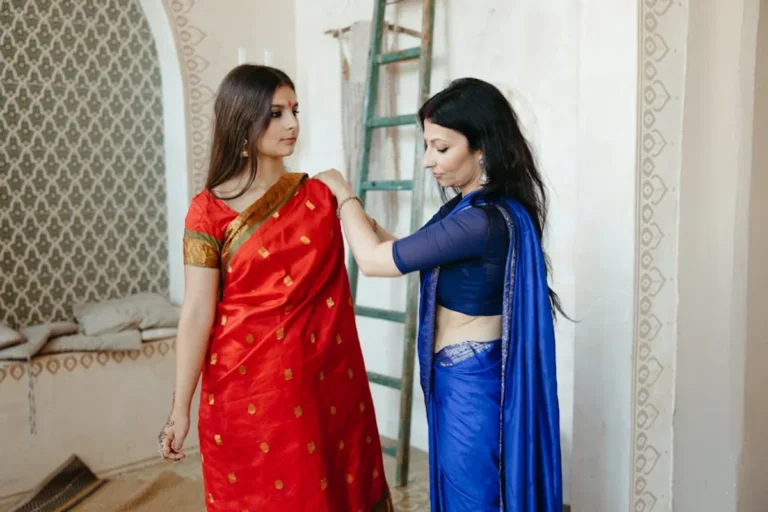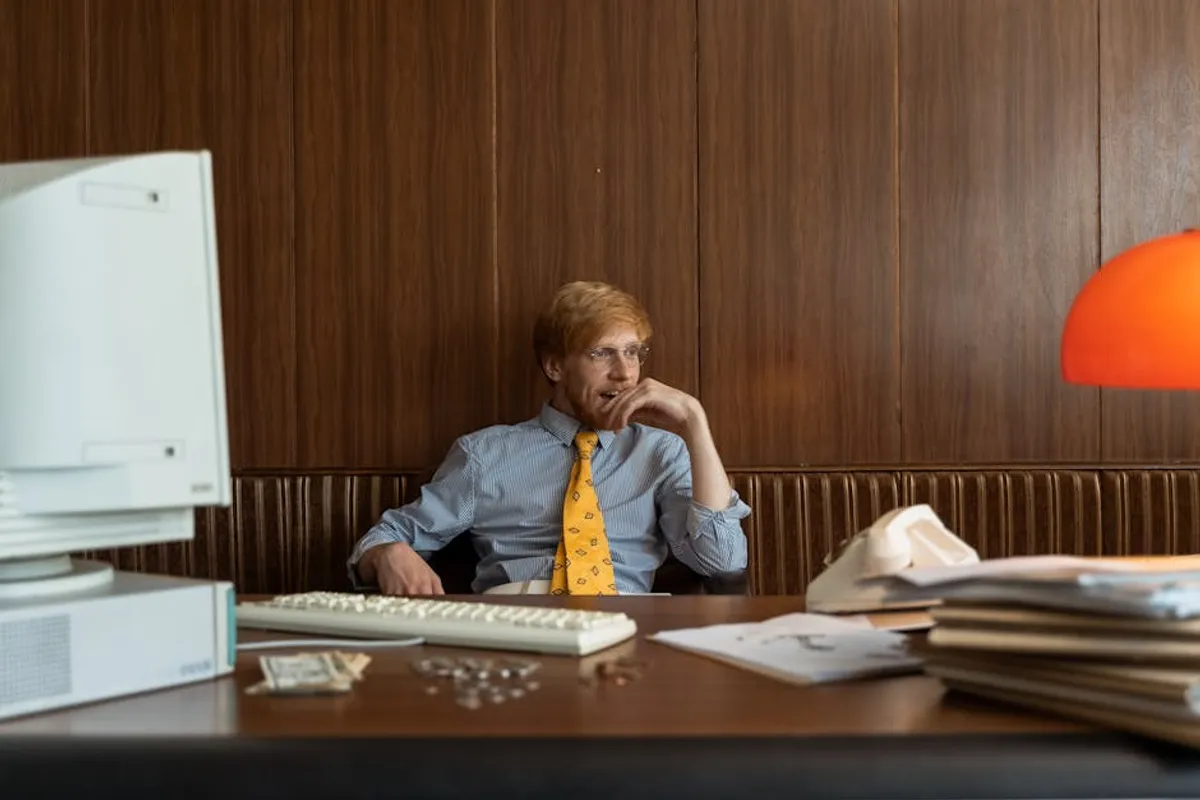
The 1980s redefined professional attire, moving beyond the conservative silhouettes of previous decades to embrace a bold, assertive aesthetic. This era’s office fashion was less about blending in and more about projecting authority, confidence, and a distinct sense of personal brand. For today’s professionals, understanding these foundational elements offers a strategic toolkit for crafting a wardrobe that communicates strength and intentionality, whether for high-stakes meetings, daily office presence, or industry events. The enduring appeal of 80s office wear lies in its clear messaging: structure, power, and an unapologetic embrace of success. Integrating these influences requires a nuanced approach, balancing historical context with contemporary sensibilities to avoid costume and achieve impactful style.
Decoding 1980s Office Style: Key Elements for Modern Relevance
Adopting 1980s office fashion isn't about replicating outfits verbatim, but rather understanding the core principles that made these styles impactful and adapting them for contemporary professional settings. The essence lies in structure, proportion, and strategic accentuation. Look for garments that offer clear lines and defined shapes, often achieved through tailoring and fabric choices. Focus on pieces that convey a sense of gravitas without overwhelming the wearer. Consider the interplay of color and texture to add depth, and always prioritize fit, even when dealing with intentionally oversized elements. The goal is to harness the power of the past to enhance a modern, polished image, ensuring each choice serves to reinforce professionalism and confidence.
1. The Power Suit
The quintessential symbol of 1980s corporate ambition, the power suit was characterized by its oversized, structured blazer, often with pronounced shoulder pads, paired with matching trousers or a pencil skirt. This ensemble was designed to create a commanding silhouette, emphasizing broad shoulders and a strong, unyielding presence. Fabrics were typically wool blends, gabardine, or even heavier tweeds, lending a weighty, authoritative feel. Colors ranged from classic charcoal and navy to bolder jewel tones, signaling confidence and a departure from more subdued palettes.
Best for: High-level professionals, leadership roles, formal business environments, or anyone seeking to project maximum authority and gravitas. It’s particularly effective for presentations or negotiations where a strong visual statement is beneficial.
Pros: Instantly conveys professionalism and confidence. The structured silhouette can create an illusion of broader shoulders and a more commanding physical presence. Offers versatility when separates are worn independently. Durable fabrics provide longevity.
Cons: Can appear dated if not styled with modern accessories and a contemporary fit. The oversized nature may overwhelm smaller frames. Requires careful tailoring to ensure a polished look rather than an ill-fitting one. Less practical for casual office settings.
Verdict: A cornerstone of 80s office wear, the power suit remains a potent symbol of authority. Modern iterations streamline the silhouette slightly while retaining the structured shoulders, making it a powerful choice for strategic professional impact.
2. Statement Shoulder Pads
More than just a tailoring detail, shoulder pads in the 1980s were a deliberate design choice, often exaggerated to create a broad, angular line. They were integral to blazers, dresses, and even blouses, serving to widen the upper body and balance the silhouette. This architectural element was crucial for achieving the era’s signature "power" look, visually expanding the frame and conveying a sense of strength and presence, particularly for women entering male-dominated corporate spaces.
Best for: Adding structure and definition to soft fabrics, enhancing a professional silhouette, or creating a more assertive upper body line. Ideal for individuals who want to appear more formidable or balanced in their proportions.
Pros: Instantly elevates the perceived formality and structure of an outfit. Can visually broaden narrow shoulders, creating a more balanced figure. Contributes to a confident, authoritative stance. Easily removable or adjustable in many garments for versatility.
Cons: Overly large or poorly integrated pads can look dated or disproportionate. May feel uncomfortable or restrictive for some. Can be challenging to wear under certain outerwear. Requires careful consideration of overall garment fit.
Verdict: While extreme shoulder pads are best avoided for modern offices, a subtle, well-integrated pad remains an effective tool for adding structure and professional polish, particularly in blazers and tailored dresses.
3. High-Waisted Pleated Trousers
A staple of 80s office attire, these trousers featured a high waistline, often cinched, and prominent pleats at the front that added volume and drape through the hips and thighs before tapering or remaining wide at the ankle. Fabrics like wool, linen blends, and gabardine were common, providing structure while allowing for comfortable movement. They offered a sophisticated alternative to skirts, embodying a relaxed yet refined professionalism.
Best for: Professionals seeking comfort without sacrificing formality, those who prefer a more relaxed fit than slim-cut trousers, or individuals looking to balance broader shoulders. Suitable for creative or business-casual environments.
Pros: Offers exceptional comfort and ease of movement due to generous cut. High waist can create a flattering, elongated leg line. Pleats add a sophisticated drape and texture. Versatile for pairing with various tops, from blouses to knitwear.
Cons: Can appear bulky if the fabric is too heavy or the pleats are too numerous. Requires careful styling to avoid an unkempt or overly casual appearance. May not suit all body types, particularly those who prefer a sleek, form-fitting silhouette.
Verdict: A comfortable and stylish option that can be updated by pairing with fitted tops and modern footwear. Choose tailored versions with fewer, sharper pleats for a contemporary professional look.
4. The Pussy-Bow Blouse
Characterized by a large bow tied at the neckline, this blouse was a feminine yet powerful counterpoint to the era’s structured suiting. Made from silk, satin, or polyester, it added a touch of softness and elegance while still conveying a professional image. The bow could be tied loosely for a relaxed feel or tightly for a more formal, almost cravat-like appearance, often worn under blazers or with high-waisted skirts.
Best for: Adding a touch of refined femininity and visual interest to a professional outfit. Excellent for creative industries, client-facing roles, or any setting where a polished yet approachable image is desired. Pairs well with tailored separates.
Pros: Offers a sophisticated and elegant aesthetic. The bow provides a focal point, drawing attention to the face. Versatile enough to be dressed up or down. Can soften the austerity of a power suit. Available in a wide range of colors and patterns.
Cons: Some find the bow distracting or overly fussy. Can add bulk around the neck, which might be uncomfortable or unflattering for some. Requires careful tying to maintain a neat appearance. Polyester versions can lack breathability.
Verdict: A timeless classic that continues to offer a blend of professionalism and feminine charm. Opt for quality fabrics and a bow size that complements your frame for a chic, contemporary office look.
5. Structured Sheath Dresses
The 1980s sheath dress was often defined by its clean lines, tailored fit, and sometimes, subtle shoulder pads. Unlike its more relaxed predecessors, these dresses were typically crafted from structured fabrics like wool crepe or gabardine, designed to hug the body without being overly revealing. They frequently featured details like strong necklines, strategic seaming, or even bold color blocking, making them a sleek, self-contained professional statement.
Best for: Formal business settings, presentations, or any occasion requiring a polished, no-fuss professional appearance. Ideal for individuals who prefer the simplicity and elegance of a single garment solution.
Pros: Creates a streamlined and sophisticated silhouette. Requires minimal styling, making it a convenient option. Can be easily layered with blazers or cardigans for warmth or versatility. Projects an image of neatness and competence.
Cons: May feel restrictive if not properly fitted. Less forgiving of fluctuating body shapes compared to looser styles. Can appear too severe if not softened with appropriate accessories. Limited range of movement in some designs.
Verdict: A powerful and practical choice for the modern office. Focus on impeccable tailoring and contemporary fabric choices to ensure a polished, current aesthetic that still conveys authority.
6. Bold Color Blocking
The 80s embraced vibrant, often contrasting colors in professional attire, moving away from muted tones. Color blocking involved combining distinct blocks of solid colors within a single garment or outfit. This could manifest as a two-tone blazer, a dress with contrasting panels, or pairing a bright blouse with a bold-colored skirt. The intention was to make a visual impact, signaling confidence and a playful yet decisive approach to corporate fashion.
Best for: Creative industries, marketing roles, or any professional seeking to make a memorable visual statement. Ideal for individuals comfortable with a bolder aesthetic and wanting to convey energy and originality.
Pros: Creates a dynamic and eye-catching aesthetic. Allows for personal expression and creativity within professional boundaries. Can highlight specific features or create flattering lines. Projects confidence and a modern sensibility.
Cons: Can be challenging to execute tastefully without appearing garish or unprofessional. Requires a keen eye for color theory and balance. Limited versatility if the color combination is too specific. May not be suitable for very conservative environments.
Verdict: When executed with strategic restraint, color blocking can infuse a contemporary office wardrobe with energy and sophistication. Choose complementary or analogous colors for a refined, impactful look.
7. Peplum Jackets and Tops
The peplum, a short, flared ruffle or extension attached at the waistline of a jacket or top, was a popular detail in 80s office wear. It emphasized the waist, creating an hourglass silhouette, often in contrast to the broad shoulders of the era. Peplum jackets were frequently worn over sheath dresses or with pencil skirts, adding a feminine yet structured element to professional ensembles, often in crisp fabrics like wool or cotton blends.
Best for: Defining the waistline and creating a flattering hourglass figure. Excellent for adding a touch of feminine structure to an outfit, particularly for those in roles that balance creativity with professionalism.
Pros: Accentuates the waist, creating a flattering silhouette. Adds a sophisticated and tailored detail to otherwise simple garments. Can be used to balance broader shoulders or hips. Offers a polished alternative to a standard blazer.
Cons: Can add bulk around the hip area if not cut or styled correctly. May restrict movement if the peplum is too stiff or voluminous. Less versatile for layering under other garments. Can sometimes appear overly formal or dated if not modernized.
Verdict: A well-tailored peplum can be a sophisticated addition to a modern professional wardrobe. Opt for subtle peplum flares in structured fabrics to maintain a contemporary and polished appearance.
8. Wide Cinching Belts
Belts in the 1980s were not merely functional; they were statement accessories, often wide and designed to cinch the waist, even over blazers and oversized sweaters. Made from leather, patent leather, or elasticized fabrics, they served to define the figure amidst voluminous clothing, creating a deliberate hourglass shape. Buckles were often prominent, adding another layer of visual interest and a touch of glamour to office outfits.
Best for: Defining the waist over loose-fitting garments, adding a focal point to an outfit, or creating a more structured silhouette. Ideal for individuals looking to add a stylistic accent and shape to their professional attire.
Pros: Instantly creates an hourglass figure, even with oversized clothing. Adds a strong stylistic element and visual interest to an outfit. Can transform the shape of a dress or blazer. Available in various materials and buckle styles for versatility.
Cons: Can be uncomfortable if cinched too tightly. May not suit all body types, particularly those who prefer an unbelted silhouette. Can look dated if the belt style is too overtly vintage. Requires careful pairing to avoid clashing with other accessories.
Verdict: A strategic wide belt can effectively modernize and define an 80s-inspired look. Choose contemporary designs in quality materials to add a polished, waist-defining touch to blazers, dresses, or tunics.
9. Leather Skirts and Blazers
While often associated with edgier fashion, leather made its way into 80s office wear, particularly in skirts and blazers, in more subdued, tailored forms. These pieces were typically crafted from soft, supple leather in classic office colors like black, brown, or burgundy. A leather pencil skirt or a well-fitted leather blazer offered a sophisticated, slightly rebellious edge to traditional corporate attire, conveying confidence and a modern sensibility.
Best for: Professionals in creative fields, fashion-forward industries, or those seeking to add an element of modern sophistication and subtle edge to their professional wardrobe. Suitable for business-casual to smart-casual environments.
Pros: Adds texture and a luxurious feel to an outfit. Projects confidence and a sophisticated, contemporary image. Durable and long-lasting with proper care. Can be dressed up or down, offering versatility.
Cons: Can be expensive. Requires specific care and cleaning. May be perceived as too informal or edgy for very conservative workplaces. Less breathable than natural fabrics like cotton or linen.
Verdict: High-quality, tailored leather pieces can be a powerful addition to a modern professional wardrobe. Opt for classic cuts and colors to ensure longevity and maintain a polished, authoritative aesthetic.
10. Chunky Gold Jewelry
Accessories in the 80s were as bold as the clothing, with chunky gold jewelry being a prominent feature in office settings. Large hoop earrings, substantial chain necklaces, and oversized brooches were common, often worn to complement the structured power suits. This jewelry was not delicate; it was designed to be seen, adding a touch of opulence and asserting a sense of success and status without being overly ostentatious.
Best for: Adding a touch of glamour and polish to professional attire, making a subtle statement, or completing a sophisticated look. Ideal for individuals who appreciate classic elegance and want to elevate their overall presentation.
Pros: Instantly elevates an outfit, adding a touch of luxury and sophistication. Can draw attention to the face or neckline. Versatile enough to pair with various professional ensembles. Durable and timeless when chosen in classic designs.
Cons: Overly large or numerous pieces can appear distracting or unprofessional. Can be heavy or uncomfortable if worn for extended periods. May not suit all personal styles or office cultures. Requires careful selection to avoid a dated appearance.
Verdict: Strategic use of chunky gold jewelry can add a refined, confident finish to a modern office look. Prioritize quality over quantity, choosing one or two statement pieces that complement your outfit rather than overwhelm it.
11. Patterned Hosiery
Beyond plain nude or black, 1980s office fashion often incorporated patterned hosiery, including subtle textures, fine pinstripes, or small geometric designs. These were worn with skirts and dresses, adding an unexpected layer of detail and personality to an otherwise conventional outfit. The patterns were generally understated enough to maintain professionalism but distinct enough to showcase individual style, often in opaque or semi-opaque finishes.
Best for: Adding subtle visual interest and personality to a professional outfit, particularly with dresses or skirts. Suitable for creative or less formal business environments, or for individuals who enjoy expressing individuality through subtle details.
Pros: Offers a unique way to add texture and pattern to an outfit. Can extend the wearability of skirts and dresses into cooler weather. Allows for personal expression without compromising professionalism. Can create a polished, finished look.
Cons: Overly bold or intricate patterns can appear unprofessional or distracting. Can be prone to snags and tears, requiring careful handling. May not be suitable for the most conservative office settings. Limited availability of sophisticated patterns.
Verdict: Subtly patterned or textured hosiery can add a sophisticated touch to a modern office ensemble. Choose fine, understated patterns in dark, opaque colors to ensure professionalism and elevate your look.
12. The Classic Pump Heel
The pump heel was the definitive footwear choice for 80s office women. Characterized by its closed toe, usually a pointed or almond shape, and a sturdy mid-to-high heel, it was the perfect complement to structured suits and dresses. Pumps were typically made from leather or patent leather, in colors matching or contrasting with the outfit, providing both elevation and a polished, professional finish that reinforced the era’s assertive aesthetic.
Best for: Formal business settings, client meetings, or any professional occasion demanding a polished and authoritative appearance. Essential for completing a structured, sophisticated office ensemble.
Pros: Instantly elevates an outfit and adds a touch of classic sophistication. Creates a longer, leaner leg line. Available in a wide range of colors and materials to complement any ensemble. Versatile for various professional and formal occasions.
Cons: Can be uncomfortable if worn for extended periods, especially with higher heels. May not be practical for roles requiring significant standing or walking. Can contribute to foot issues if not properly fitted. Less suitable for very casual office environments.
Verdict: The classic pump remains an indispensable element of a professional wardrobe. Invest in high-quality, comfortable pairs in versatile colors to ensure a polished and confident presentation in any office setting.
Strategic Integration: Applying 1980s Office Trends with Intent
Integrating 1980s office fashion into a contemporary wardrobe requires a strategic mindset, focusing on adaptation rather than direct replication. The goal is to harness the era’s strengths—structure, confidence, and clear messaging—while avoiding its potential pitfalls of excess or datedness. Begin by selecting one or two key elements, such as a structured blazer with subtle shoulder pads or a well-tailored pair of high-waisted trousers, and pair them with modern, minimalist pieces. For example, a power blazer can be worn over a sleek, contemporary top and slim-fit trousers. Focus on quality fabrics and impeccable tailoring, as these elevate any vintage-inspired piece. Pay close attention to fit; even intentionally oversized garments should still drape well and not appear ill-fitting. Accessories should be chosen with restraint; a single statement piece of chunky gold jewelry is more impactful than multiple items. The overall effect should be one of intentional style and professional polish, where the 80s influence is a sophisticated nod rather than a full immersion. This approach ensures that your wardrobe communicates authority and a keen understanding of personal branding, aligning with the strategic needs of today’s professional landscape.
FAQ
Q: How can I wear 80s shoulder pads without looking dated?
A: Opt for garments with subtle, integrated shoulder pads rather than overly exaggerated ones. Pair a structured blazer with modern, slim-fit trousers or a sleek dress. Balance the broad shoulder line with a defined waist, perhaps using a contemporary belt. The key is to ensure the overall silhouette is balanced and the fabric is current, avoiding heavy, dated materials.
Q: Are high-waisted pleated trousers suitable for all body types?
A: High-waisted pleated trousers can be flattering for many body types as they define the waist and offer a comfortable, elegant